BRUSH Fires Act
Summary
What This Bill Does
The BRUSH Fires Act directs the Secretary of Agriculture, acting through the Chief of the Forest Service, to study wildfire mitigation in shrubland ecosystems within one year. Covered ecosystems include chaparral, coastal sage scrub, sagebrush, shrub-steppe, xeric shrubland, and other dryland shrub ecosystems where wildfire management is a significant challenge. The study must evaluate hazardous fuels management, strategic fuel breaks, invasive weeds and grasses, native shrub resprouting after fire, Forest Service policies for limiting ember ignitions from the public or man-made structures such as electrical infrastructure, weather and topographic conditions affecting mitigation effectiveness, administrative and budget barriers for wildland fire managers, and partnerships that reduce vulnerability of homes, roadways, and high-risk structures in the wildland-urban interface. The Secretary must coordinate with Forest Service experts such as the Shrub Sciences Laboratory and Maintaining Resilient Dryland Ecosystems program, coordinate with agencies such as Interior where relevant, and publish a report within 90 days after completing the study.
Who Benefits and How
Communities in chaparral and sagebrush regions benefit from a public assessment of which mitigation methods reduce wildfire risk and damage. Homeowners in the wildland-urban interface benefit if the study identifies better practices for reducing ember ignition around homes, roads, and high-risk structures. Forest Service land managers benefit from best-practice findings for hazardous fuels, fuel breaks, invasive species, and native shrub recovery. Wildland firefighters benefit if the report identifies operational and budget barriers that impede mitigation work. State, tribal, and local fire partners benefit from stronger Federal analysis of partnerships with non-Federal entities.
Who Bears the Burden and How
The Forest Service must conduct the study, coordinate across internal research programs, solicit outside expertise where practicable, and publish the report. The Secretary of Agriculture must identify best practices, compare Forest Service policies to those practices, and identify further research needs. Federal wildfire research offices must coordinate to avoid duplicated research. Non-Federal experts may be asked to provide consultation. Congressional committees must review the report and may use it for oversight or appropriations decisions.
Key Provisions
- Requires the Agriculture Secretary to conduct a shrubland wildfire mitigation study within one year.
- Directs the study to evaluate fuel breaks, invasive species control, native shrub recovery, ember ignition, conditions, implementation barriers, and partnerships.
- Requires coordination with Forest Service shrubland and dryland ecosystem expertise and relevant Federal agencies.
- Authorizes consultation with non-Federal public and private wildfire-mitigation experts.
- Requires a public report to Congress within 90 days after the study is complete.
Evidence Chain:
This summary is generated from the full bill text using AI analysis. Expand "Detailed Analysis" below for identified beneficiaries/burden bearers with clause-level evidence links.
At a Glance
What This Bill Does
Requires the Agriculture Secretary, acting through the Forest Service, to study shrubland wildfire mitigation methods within one year, coordinate with relevant Federal expertise, consult non-Federal experts where practicable, and publish a report within 90 days after the study is complete.
Key Policy Areas
Wildfire, Forestry, Public Lands, Disaster Mitigation
Primary Purpose
Requires the Agriculture Secretary, acting through the Forest Service, to study shrubland wildfire mitigation methods within one year, coordinate with relevant Federal expertise, consult non-Federal experts where practicable, and publish a report within 90 days after the study is complete.
Policy Domains
House resolution provisions
Identified Gains
- Chaparral community residents
- Wildland-urban interface homeowners
- Forest Service land managers
- Wildland firefighters
- State fire partners
Identified Costs
- Forest Service study offices
- Secretary of Agriculture
- Federal wildfire research offices
- Non-Federal wildfire experts
- Congressional oversight committees
Sponsors


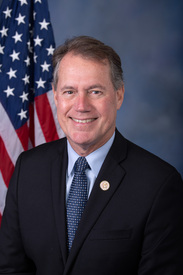

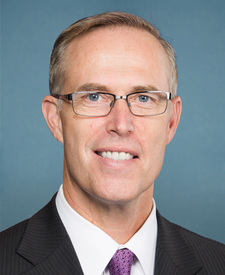
Legislative Progress
ReportedCommittee Consideration and Mark-up Session Held
Ordered to be Reported (Amended) by Unanimous Consent.
Subcommittee on Federal Lands Discharged
Subcommittee Hearings Held
Referred to the Subcommittee on Federal Lands.
Introduced in House
Referred to the Committee on Agriculture, and in addition to …
Mr. Min (for himself, Mrs. Kim, Ms. Brownley, Mr. Levin, …
Stakeholder Effects
cui bono?How this legislation distributes effects. Mention counts reflect frequency, not effect magnitude.
Forest Service land managers, Forest Service study offices, Wildland firefighters
Positive-direction: Wildland firefighters
Negative-direction: Forest Service land managers, Forest Service study offices
Chaparral community residents, Wildland-urban interface homeowners
Bill Structure & Actor Mappings
Who is "The Secretary" in each section?
- "secretary"
- → Secretary of Agriculture
- "forest_service"
- → Forest Service
We use a combination of our own taxonomy and classification in addition to large language models to assess meaning and potential beneficiaries. High confidence means strong textual evidence. Always verify with the original bill text.
Learn more about our methodology