Second Chance Reauthorization Act of 2025
Summary
What This Bill Does
The Second Chance Reauthorization Act of 2025 updates existing federal reentry programs. It amends the Omnibus Crime Control and Safe Streets Act to add substance use disorder treatment, including peer recovery services, case management, access to overdose education, and overdose reversal medications, plus reentry housing services, to the covered services list. It then reauthorizes a set of Second Chance and related reentry programs by replacing expired fiscal years 2019 through 2023 with fiscal years 2026 through 2030 across multiple provisions, including grants for adult and juvenile offender reentry, mentoring, family-based substance abuse treatment, careers training, and related recidivism-reduction programs. The effect is to keep the federal reentry grant infrastructure alive while adding explicit opioid-overdose and housing supports.
Who Benefits and How
People returning from incarceration benefit from continued reentry programs and new housing-service eligibility. Individuals with substance use disorders benefit from peer recovery, case management, overdose education, and overdose reversal medication access. Reentry housing providers benefit because housing services become an express supported activity. State and local reentry agencies benefit from reauthorized grant programs for fiscal years 2026 through 2030.
Who Bears the Burden and How
DOJ grant staff must administer reauthorized programs and review new substance-use and housing service activities. Grant recipients must document use of funds for peer recovery, case management, overdose education, medications, or housing. Federal taxpayers bear costs of reauthorized Second Chance programming through fiscal 2030. Correctional agencies must coordinate with community providers for expanded reentry service models.
Key Provisions
- Adds substance use disorder treatment, peer recovery, case management, overdose education, and overdose reversal medications to reentry services.
- Adds reentry housing services to supported activities.
- Reauthorizes Second Chance and related reentry programs for fiscal years 2026 through 2030.
- Extends adult, juvenile, mentoring, family treatment, and career-training reentry authorities.
Evidence Chain:
This summary is generated from the full bill text using AI analysis. Expand "Detailed Analysis" below for identified beneficiaries/burden bearers.
At a Glance
What This Bill Does
Reauthorizes multiple Second Chance Act and Omnibus Crime Control and Safe Streets Act reentry programs for fiscal years 2026 through 2030 and expands allowable reentry services to include substance use disorder treatment, peer recovery services, case management, overdose education, overdose reversal medications, and reentry housing services.
Key Policy Areas
Criminal Justice, Reentry, Substance Use, Housing
Primary Purpose
Reauthorizes multiple Second Chance Act and Omnibus Crime Control and Safe Streets Act reentry programs for fiscal years 2026 through 2030 and expands allowable reentry services to include substance use disorder treatment, peer recovery services, case management, overdose education, overdose reversal medications, and reentry housing services.
Policy Domains
Resolution provisions
Identified Gains
Contextual inference, no direct clause citation- People returning from incarceration
- Individuals with substance use disorders
- Reentry housing providers
- State reentry agencies
Contextual inference, no direct clause citation
Identified Costs
Contextual inference, no direct clause citation- DOJ grant staff
- Grant recipients
- Federal taxpayers
- Correctional agencies
Contextual inference, no direct clause citation
Sponsors

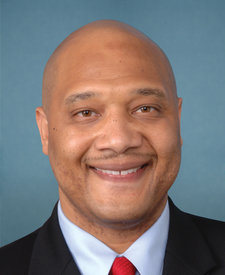


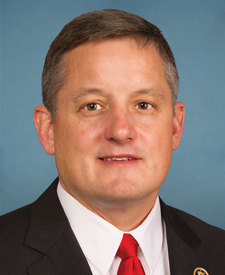
Legislative Progress
In CommitteeMrs. Miller of West Virginia (for herself, Mr. Davis of …
Referred to the House Committee on the Judiciary.
Introduced in House
Bill Structure & Actor Mappings
Who is "The Secretary" in each section?
We use a combination of our own taxonomy and classification in addition to large language models to assess meaning and potential beneficiaries. High confidence means strong textual evidence. Always verify with the original bill text.
Learn more about our methodology