Clinical Trial Modernization Act
Summary
What This Bill Does
The Clinical Trial Modernization Act defines underrepresented population by reference to NIH's patient-focused therapy development toolkit and FDA-recognized populations. HHS may issue grants and contracts for community education, outreach, and recruitment for clinical trials of drugs, devices, and vaccines for diseases or conditions disproportionately affecting underrepresented populations. Supported activities include work with community clinical trial sites such as community health centers, academic health centers, rural sites, and other facilities; training health care personnel and potential investigators with a focus on increasing underrepresented clinical trial investigators; engaging community stakeholders; and partnering with community-based organizations, employee unions, and frontline health care workers. HHS must prioritize multilingual education, recruitment, and training materials and outreach in traditionally underrepresented communities such as tribal areas. The bill amends civil monetary penalty and anti-kickback law to protect remuneration to trial participants for travel, transportation, meal, and other trial expenses, except cost-sharing obligations, when available to all participants and designed to include relevant demographic, socioeconomic, and rural populations. It also protects free digital health technologies when needed to facilitate underrepresented patient participation. For clinical trials or trials requiring FDA diversity action plans, drug and device manufacturers or agents may pay patient cost-sharing obligations without violating the Civil Monetary Penalties Law, Anti-Kickback Statute, or False Claims Act if coverage rules are followed, payments reasonably facilitate underrepresented enrollment or reduce attrition, remain available for the trial, are not tied to future use or purchase, do not exceed cost sharing, and avoid duplicate financial assistance. The bill excludes from gross income up to $2,000 per taxable year of payments received for participation in approved clinical trials and clarifies that sections 4 and 5 do not narrow other liability protections.
Who Benefits and How
Underrepresented patients benefit from outreach, recruitment, expense support, digital health tools, cost-sharing assistance, and tax-free trial remuneration up to $2,000. Community health centers and rural clinical trial sites benefit from grants and contracts for outreach and recruitment infrastructure. Drug and device manufacturers benefit from clearer safe harbors for paying trial expenses and cost sharing to improve enrollment diversity. Clinical trial investigators from underrepresented populations benefit from training support. Clinical trial sponsors benefit from lower legal uncertainty around travel, meal, transportation, digital technology, and cost-sharing support.
Who Bears the Burden and How
HHS staff must award grants and contracts and prioritize multilingual and underrepresented-community outreach. Manufacturers and sponsors must structure cost-sharing support to satisfy coverage, availability, non-contingency, and no-duplicate-assistance conditions. IRS staff must administer the $2,000 gross-income exclusion for approved clinical trial remuneration. Compliance officers must update fraud-and-abuse review for participant remuneration, digital health technology, and cost-sharing arrangements.
Key Provisions
- Defines underrepresented population using NIH and FDA-recognized categories.
- Authorizes HHS grants and contracts for clinical trial education, outreach, recruitment, and investigator training.
- Prioritizes multilingual materials and outreach in traditionally underrepresented communities such as tribal areas.
- Creates CMP and anti-kickback protections for participant expense payments and necessary digital health technologies.
- Creates CMP, anti-kickback, and False Claims Act protections for sponsor payment of clinical trial cost sharing when conditions are met.
- Excludes up to $2,000 per year of approved clinical trial participant payments from gross income.
Evidence Chain:
This summary is generated from the full bill text using AI analysis. Expand "Detailed Analysis" below for identified beneficiaries/burden bearers with clause-level evidence links.
At a Glance
What This Bill Does
Modernizes clinical trial access by authorizing HHS grants and contracts for community education, outreach, recruitment, and investigator training for underrepresented populations, creating fraud-and-abuse safe harbors for trial expense payments, digital health technologies, and sponsor cost-sharing assistance, excluding up to $2,000 of approved clinical trial participant remuneration from gross income, and preserving other liability protections.
Key Policy Areas
Clinical Trials, Health Equity, Tax, Health Care
Primary Purpose
Modernizes clinical trial access by authorizing HHS grants and contracts for community education, outreach, recruitment, and investigator training for underrepresented populations, creating fraud-and-abuse safe harbors for trial expense payments, digital health technologies, and sponsor cost-sharing assistance, excluding up to $2,000 of approved clinical trial participant remuneration from gross income, and preserving other liability protections.
Policy Domains
Resolution provisions
Identified Gains
- Underrepresented patients
- Community health centers
- Drug manufacturers
- Device manufacturers
- Clinical trial investigators
Identified Costs
- HHS clinical trial staff
- Clinical trial sponsors
- IRS staff
- Health care compliance officers
Sponsors
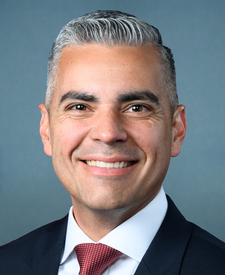
Legislative Progress
In CommitteeMr. Ruiz (for himself and Mr. Pfluger) introduced the following …
Referred to the Committee on Energy and Commerce, and in …
Introduced in House
Stakeholder Effects
cui bono?How this legislation distributes effects. Mention counts reflect frequency, not effect magnitude.
Clinical trial investigators, Clinical trial sponsors
Positive-direction: Clinical trial investigators
Negative-direction: Clinical trial sponsors
Bill Structure & Actor Mappings
Who is "The Secretary" in each section?
We use a combination of our own taxonomy and classification in addition to large language models to assess meaning and potential beneficiaries. High confidence means strong textual evidence. Always verify with the original bill text.
Learn more about our methodology