Outdoor Recreational Outfitting and Guiding Act
Summary
What This Bill Does
The Outdoor Recreational Outfitting and Guiding Act amends Fair Labor Standards Act section 13(a). It adds an exemption for employees primarily engaged in outdoor recreational outfitting, including equipment rentals, or guiding services when employed by a business providing those services. The business qualifies if it does not operate for more than seven months in a calendar year, or if its average receipts for any six months of the preceding calendar year were no more than 33 1/3 percent of average receipts for the other six months. Because section 13(a) is the FLSA exemption section, the practical effect is to remove minimum-wage and overtime protections for covered seasonal outfitting or guiding employees. The amendment applies to wages and overtime compensation required for workweeks beginning on or after enactment.
Who Benefits and How
Seasonal outfitting businesses benefit from lower wage and overtime compliance costs when they meet the seven-month or seasonal-receipts test. Outdoor guide services benefit from more flexible staffing during short operating seasons. Equipment-rental outfitters benefit if they are primarily providing outdoor recreational outfitting services. Customers may benefit indirectly if lower labor costs reduce prices or preserve seasonal trip availability.
Who Bears the Burden and How
Outdoor guides lose FLSA minimum-wage and overtime protection when their employer qualifies for the exemption. Seasonal outfitting employees may work long peak-season hours without overtime pay. Department of Labor wage staff must apply a new industry-specific exemption. Workers at borderline businesses may face disputes over seasonal operation or receipts tests.
Key Provisions
- Adds an FLSA section 13(a) exemption for outdoor recreational outfitting and guiding employees.
- Limits the exemption to businesses that operate no more than seven months in a calendar year.
- Extends the exemption to businesses with six-month receipts no more than 33 1/3 percent of the other six months.
- Applies the wage and overtime exemption to workweeks beginning on or after enactment.
Evidence Chain:
This summary is generated from the full bill text using AI analysis. Expand "Detailed Analysis" below for identified beneficiaries/burden bearers with clause-level evidence links.
At a Glance
What This Bill Does
Exempts seasonal outdoor recreational outfitting and guiding employees from Fair Labor Standards Act wage and overtime requirements when the business operates no more than seven months a year or has highly seasonal receipts, with the change applying to workweeks after enactment.
Key Policy Areas
Labor, Outdoor Recreation, Small Business
Primary Purpose
Exempts seasonal outdoor recreational outfitting and guiding employees from Fair Labor Standards Act wage and overtime requirements when the business operates no more than seven months a year or has highly seasonal receipts, with the change applying to workweeks after enactment.
Policy Domains
Resolution provisions
Identified Gains
- Seasonal outfitting businesses
- Outdoor guide services
- Equipment-rental outfitters
- Customers
Identified Costs
- Outdoor guides
- Seasonal outfitting employees
- Department of Labor wage staff
- Workers at borderline businesses
Sponsors
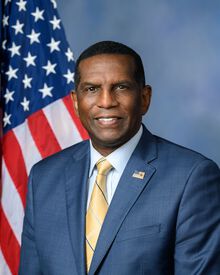




Legislative Progress
In CommitteeMr. Owens (for himself and Mr. Moore of Utah) introduced …
Referred to the House Committee on Education and Workforce.
Introduced in House
Stakeholder Effects
cui bono?How this legislation distributes effects. Mention counts reflect frequency, not effect magnitude.
Equipment-rental outfitters, Outdoor guide services, Seasonal outfitting businesses
Bill Structure & Actor Mappings
Who is "The Secretary" in each section?
We use a combination of our own taxonomy and classification in addition to large language models to assess meaning and potential beneficiaries. High confidence means strong textual evidence. Always verify with the original bill text.
Learn more about our methodology