To create dedicated funds to conserve butterflies in North America, plants in the Pacific Islands, freshwater mussels in the United States, and desert fish in the Southwest United States, and for other purposes.
Analysis under review: This bill has generated analysis that may be too generic or incomplete. Clause-level evidence remains available below.
Summary
What This Bill Does
This bill creates four dedicated conservation funds to protect endangered species across different ecosystems: butterflies throughout North America, native plants in Pacific Islands, freshwater mussels in U.S. rivers, and desert fish in the Southwest. Each fund receives $5 million per year for six years (FY2024-2029), totaling $120 million in authorized spending.
Who Benefits and How
Conservation organizations, research institutions, state agencies, and tribal nations benefit through competitive grants for habitat protection, species monitoring, and community education projects. The Secretary of the Interior administers all four funds. Environmental groups gain new funding streams for endangered species work outside the traditional Endangered Species Act framework.
Who Bears the Burden and How
Taxpayers fund the programs through federal appropriations ($20 million annually across all four funds). Federal agencies cannot lead projects or receive direct funding, though they can participate as partners.
Key Provisions
- Creates North America Butterfly Conservation Fund for monarchs and other imperiled butterflies
- Establishes Pacific Islands Plant Conservation Fund for Hawaiian and territorial plant species
- Creates Freshwater Mussel Conservation Fund for one of the most endangered animal groups in North America
- Establishes Southwest Desert Fish Conservation Fund for species in Arizona, California, Nevada, New Mexico, Utah, and Colorado
Evidence Chain:
This summary is generated from the full bill text using AI analysis. Expand "Detailed Analysis" below for identified beneficiaries/burden bearers with clause-level evidence links.
At a Glance
What This Bill Does
Establishes four conservation funds to protect endangered species: butterflies in North America, plants in the Pacific Islands, freshwater mussels in the United States, and desert fish in the Southwest United States.
Key Policy Areas
Environment, Wildlife Conservation, Federal Spending
Primary Purpose
Establishes four conservation funds to protect endangered species: butterflies in North America, plants in the Pacific Islands, freshwater mussels in the United States, and desert fish in the Southwest United States.
Policy Domains
Title I - North America Butterfly Conservation Fund Act of 2023
Identified Gains
- Conservation nonprofits
- Research institutions
- State wildlife agencies
- Tribal nations
Identified Costs
- Federal taxpayers
Title II - Pacific Islands Plant Conservation Fund Act of 2023
Identified Gains
- Conservation organizations
- Pacific Island territories
- Research institutions
- State agencies
Identified Costs
- Federal taxpayers
Title IV - Southwest Desert Fish Conservation Fund Act of 2023
Identified Gains
- Conservation nonprofits
- Research institutions
- State wildlife agencies
- Tribal nations
Identified Costs
- Federal taxpayers
Title III - Freshwater Mussel Conservation Fund Act of 2023
Identified Gains
- Conservation nonprofits
- Research institutions
- State wildlife agencies
- Tribal nations
Identified Costs
- Federal taxpayers
Sponsors
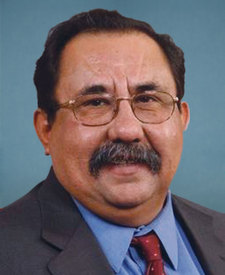
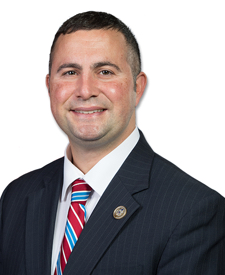
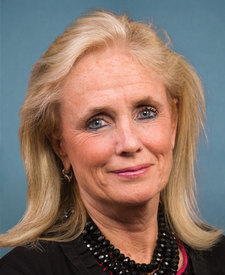

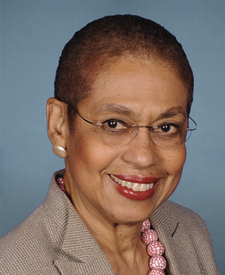
Legislative Progress
IntroducedMr. Grijalva (for himself, Mrs. Dingell, Mr. Sablan, Mr. Cohen, …
Stakeholder Effects
cui bono?How this legislation distributes effects. Mention counts reflect frequency, not effect magnitude.
Department of the Interior, Southwest tribal nations, Tribal natural resources departments
Department of the Interior faces effects in multiple directions
Conservation grant recipients, Conservation nonprofits focused on desert aquatic ecosystems, Conservation nonprofits focused on freshwater ecosystems
Hawaii state agencies, Pacific Island territorial governments, Southwest state fish and wildlife agencies
Botanical research institutions, Desert fish research institutions, University and research institutions studying butterflies
Bill Structure & Actor Mappings
Who is "The Secretary" in each section?
- "the_secretary"
- → Secretary of the Interior
- "secretary_of_treasury"
- → Secretary of the Treasury
- "the_secretary"
- → Secretary of the Interior
- "secretary_of_treasury"
- → Secretary of the Treasury
- "the_secretary"
- → Secretary of the Interior
- "secretary_of_treasury"
- → Secretary of the Treasury
- "the_secretary"
- → Secretary of the Interior
- "secretary_of_treasury"
- → Secretary of the Treasury
Key Definitions
Terms defined in this bill
The use of all methods and procedures necessary to protect habitats of butterflies in North America and of butterflies in those habitats, including protection, restoration, and management of habitats; research and monitoring; management plans; law enforcement; and community outreach.
The use of all methods and procedures necessary to protect species of plants in the Pacific Islands including protection, restoration, and management of ecosystems; research and monitoring; management plans; law enforcement; and community outreach.
The use of all methods and procedures necessary to protect habitats of freshwater mussel species in the United States and of the freshwater mussel species in those habitats.
The use of all methods and procedures necessary to protect habitats of desert fish species in the Southwest and of the desert fish species in those habitats.
Any member of the order Unionida.
Any member of the order Lepidoptera.
The States of Arizona, California, Colorado, Nevada, New Mexico, and Utah.
Any member of the class Osteichthyes living in a desert ecosystem.
The United States, Canada, Mexico, and Caribbean nations including Antigua and Barbuda, Bahamas, Barbados, Belize, Costa Rica, Cuba, Dominica, Dominican Republic, El Salvador, Grenada, Guatemala, Haiti, Honduras, Jamaica, Nicaragua, Panama, Saint Kitts and Nevis, Saint Lucia, Saint Vincent and the Grenadines, and Trinidad and Tobago.
The Hawaiian Islands and the United States territories of Guam, American Samoa, and the Northern Mariana Islands.
We use a combination of our own taxonomy and classification in addition to large language models to assess meaning and potential beneficiaries. High confidence means strong textual evidence. Always verify with the original bill text.
Learn more about our methodology