To provide for the designation of certain wilderness areas, recreation management areas, and conservation areas in the State of Colorado, and for other purposes.
Analysis under review: This bill has generated analysis that may be too generic or incomplete. Clause-level evidence remains available below.
Summary
What This Bill Does
The Colorado Outdoor Recreation and Economy Act protects over 100,000 acres of federal land in Colorado by designating new wilderness areas, creating wildlife conservation areas, and establishing the Curecanti National Recreation Area. It also withdraws the Thompson Divide area from oil, gas, and mining development while creating a pilot program to capture methane emissions from abandoned coal mines.
Who Benefits and How
Conservation and recreation groups gain permanent protections for scenic landscapes in the White River National Forest and southwest Colorado. Ranchers and farmers in the Thompson Divide area benefit from land protections that preserve agricultural values and grazing rights. Outdoor recreation businesses and tourism operators benefit from expanded recreation opportunities. Indian Tribes retain traditional use rights on protected lands.
Who Bears the Burden and How
Oil and gas companies lose development rights in the Thompson Divide area, though they receive credits for relinquishing existing leases. Mining companies face withdrawal of federal lands from mineral leasing and extraction. Motorized recreation users face restrictions in wilderness and wildlife conservation areas where motorized vehicles are prohibited.
Key Provisions
- Designates approximately 31,000 acres of new wilderness additions in the White River National Forest (Ptarmigan Peak, Holy Cross, Hoosier Ridge, Tenmile, Eagles Nest)
- Creates three Wildlife Conservation Areas totaling over 14,000 acres to protect wildlife migration corridors
- Withdraws the Thompson Divide area from mineral leasing and offers credits to existing oil/gas leaseholders
- Establishes the Curecanti National Recreation Area as a unit of the National Park System
- Creates a pilot program to inventory and capture fugitive methane emissions from coal mines
Evidence Chain:
This summary is generated from the full bill text using AI analysis. Expand "Detailed Analysis" below for identified beneficiaries/burden bearers.
At a Glance
What This Bill Does
Expands wilderness protections, establishes wildlife conservation areas, withdraws federal lands from mineral development in Colorado Thompson Divide area, and creates the Curecanti National Recreation Area.
Key Policy Areas
Public Lands, Environment, Recreation, Energy, Mining
Primary Purpose
Expands wilderness protections, establishes wildlife conservation areas, withdraws federal lands from mineral development in Colorado Thompson Divide area, and creates the Curecanti National Recreation Area.
Policy Domains
Title I - White River National Forest Wilderness and Conservation
Identified Gains
Contextual inference, no direct clause citation- Conservation groups
- Outdoor recreation industry
- Wildlife and ecosystems
- Indian Tribes
- Ranchers with existing grazing permits
Contextual inference, no direct clause citation
Identified Costs
Contextual inference, no direct clause citation- Oil and gas companies
- Mining companies
- Motorized recreation users
- Timber industry
Contextual inference, no direct clause citation
Title II - San Juan Mountains Wilderness
Identified Gains
Contextual inference, no direct clause citation- Conservation groups
- Outdoor recreation industry
- Nordic skiers
- Mountain bikers (limited areas)
- Indian Tribes
Contextual inference, no direct clause citation
Identified Costs
Contextual inference, no direct clause citation- Mining companies
- Motorized vehicle users
- Road construction interests
Contextual inference, no direct clause citation
Title IV - Curecanti National Recreation Area
Identified Gains
Contextual inference, no direct clause citation- National Park visitors
- Tourism operators
- Recreational fishing interests
- Conservation groups
- Ranchers with existing grazing permits
Contextual inference, no direct clause citation
Identified Costs
Contextual inference, no direct clause citation- Mineral interests
- Bureau of Land Management (land transfer)
Contextual inference, no direct clause citation
Title III - Thompson Divide
Identified Gains
Contextual inference, no direct clause citation- Ranchers and farmers
- Conservation groups
- Local communities
- Methane capture businesses
- Air quality and climate
Contextual inference, no direct clause citation
Identified Costs
Contextual inference, no direct clause citation- Oil and gas companies
- Mining companies
Contextual inference, no direct clause citation
Sponsors
Legislative Progress
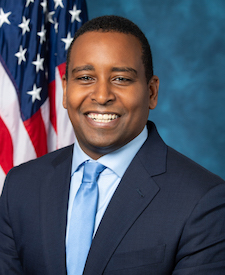
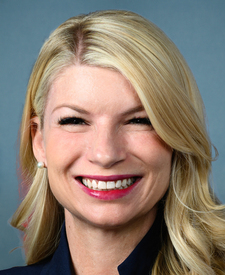
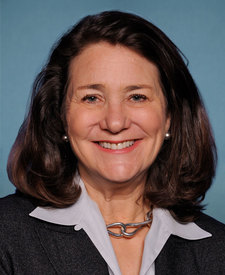
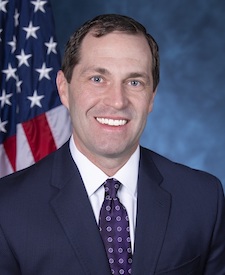
IntroducedMr. Neguse (for himself, Ms. Caraveo, Mr. Crow, Ms. DeGette, …
Stakeholder Effects
cui bono?How this legislation distributes effects. Mention counts reflect frequency, not effect magnitude.
Conservation and environmental groups, Conservation groups, Conservation organizations
Bureau of Land Management, Bureau of Reclamation, Colorado state wildlife agencies
Positive-direction: Bureau of Land Management, Colorado state wildlife agencies, Forest Service
Negative-direction: Federal treasury
Coal mine operators with Federal leases, Coal mine operators with methane emissions, Mining companies
Positive-direction: Coal mine operators with Federal leases
Negative-direction: Mining companies
Methane capture and utilization businesses, Oil and gas companies, Oil and gas companies with Thompson Divide leases
Positive-direction: Methane capture and utilization businesses, Oil and gas companies with Thompson Divide leases
Negative-direction: Oil and gas companies, Oil and gas exploration companies
Mountain biking operations (limited areas), National Park visitors and recreationists, Nordic skiing operations
Recreational fishing interests, Timber harvesting companies
Positive-direction: Recreational fishing interests
Negative-direction: Timber harvesting companies
Ranchers with existing grazing permits, Ranchers with grazing permits
Motorized and mechanized recreation users, Motorized recreation users (ATVs, snowmobiles), Motorized vehicle users
Bill Structure & Actor Mappings
Who is "The Secretary" in each section?
- "the_secretary"
- → Secretary of Agriculture
- "the_secretary"
- → Secretary of Agriculture (Forest Service lands) / Secretary of Interior (BLM lands)
- "the_secretary"
- → Secretary of the Interior
- "the_secretary"
- → Secretary of the Interior
Note: The Secretary refers to Secretary of Agriculture in Titles I and II (for Forest Service lands) but Secretary of Interior in Titles III and IV
Key Definitions
Terms defined in this bill
Any area designated as wilderness by the amendments to section 2(a) of the Colorado Wilderness Act of 1993 made by section 102(a)
Land designated as wilderness under paragraphs (27) through (29) of section 2(a) of the Colorado Wilderness Act of 1993 and the Special Management Areas
The Porcupine Gulch, Williams Fork Mountains, or Spraddle Creek Wildlife Conservation Areas designated in Title I
Methane gas from Federal land in Garfield, Gunnison, Delta, or Pitkin County that would leak or be vented into the atmosphere from active, inactive, or abandoned coal mines
The Federal land and minerals within the area depicted as the Thompson Divide Withdrawal and Protection Area on the Thompson Divide map
We use a combination of our own taxonomy and classification in addition to large language models to assess meaning and potential beneficiaries. High confidence means strong textual evidence. Always verify with the original bill text.
Learn more about our methodology