Law Enforcement Education Grant Program Act of 2025
Summary
What This Bill Does
The Law Enforcement Education Grant Program Act creates a new Higher Education Act subpart for Law Enforcement Education Grants. The Education Secretary may competitively award $4,000 per eligible year to law enforcement candidates enrolled at approved higher education institutions in law enforcement or criminal justice coursework. Students must meet section 484 eligibility, have not already obtained a related associate or baccalaureate degree before receiving the grant, and apply under Secretary-set deadlines. Grants are funded from higher education title IV authorizations but may not draw from Pell Grant or Federal Direct Loan Program authorizations, and if title IV funds are insufficient the Secretary must prioritize full funding of this program. Recipients must agree to serve as full-time law enforcement officers for at least four years within eight years after completing the funded course of study and provide annual employment certification from the employing agency's chief officer. If they fail or refuse to serve, the grant converts to a Federal Direct Unsubsidized Stafford Loan with interest accruing from conversion. Applications must include a plain-language disclosure of the award, service obligation, and loan-conversion consequences. Eligible institutions must offer related associate or baccalaureate degrees and be approved by the state POST board or related agency. The bill also repeals Higher Education Act Part U university sustainability programs.
Who Benefits and How
Law enforcement candidates benefit from $4,000 annual grants for law enforcement or criminal justice education. Police departments benefit if the service obligation channels graduates into four years of full-time law enforcement employment. Approved colleges benefit from a federal aid stream for students in law enforcement or criminal justice degree programs. State POST boards benefit because institutional eligibility depends on their approval or a related state agency's approval.
Who Bears the Burden and How
Grant recipients who fail the service obligation must repay converted Federal Direct Unsubsidized Stafford Loans with interest. Education Department student aid staff must run the competitive program, write regulations, manage disclosures, and administer loan conversions. University sustainability programs lose their Higher Education Act authorization. Law enforcement agency chiefs must certify each year of recipient service.
Key Provisions
- Creates competitive $4,000 annual Law Enforcement Education Grants for eligible law enforcement candidates.
- Requires applicants to pursue law enforcement or criminal justice coursework at approved eligible institutions.
- Requires four years of full-time law enforcement service within eight years after completing the funded course of study.
- Converts grants to Federal Direct Unsubsidized Stafford Loans with interest if recipients fail or refuse to serve.
- Requires plain-language disclosure forms and repeals Higher Education Act university sustainability programs.
Evidence Chain:
This summary is generated from the full bill text using AI analysis. Expand "Detailed Analysis" below for identified beneficiaries/burden bearers with clause-level evidence links.
At a Glance
What This Bill Does
Creates competitive $4,000 annual higher-education grants for law enforcement candidates pursuing law enforcement or criminal justice degrees, with a four-year service obligation within eight years, loan conversion for failure to serve, plain-language disclosures, and repeal of the Higher Education Act university sustainability program.
Key Policy Areas
Education, Law Enforcement, Student Aid
Primary Purpose
Creates competitive $4,000 annual higher-education grants for law enforcement candidates pursuing law enforcement or criminal justice degrees, with a four-year service obligation within eight years, loan conversion for failure to serve, plain-language disclosures, and repeal of the Higher Education Act university sustainability program.
Policy Domains
Resolution provisions
Identified Gains
- Law enforcement candidates
- Police departments
- Approved colleges
- State POST boards
Identified Costs
- Grant recipients who fail the service obligation
- Education Department student aid staff
- University sustainability programs
- Law enforcement agency chiefs
Sponsors


Legislative Progress
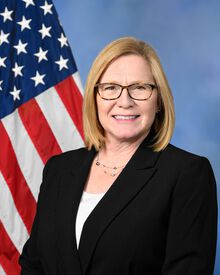
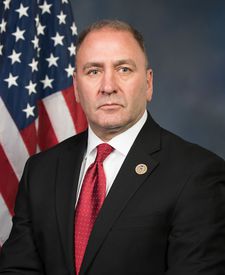
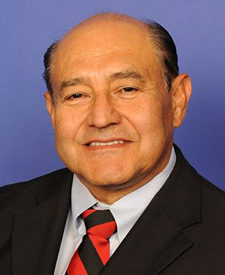
In CommitteeMrs. Fischbach (for herself, Mr. Stauber, Mr. Bacon, and Mr. …
Referred to the House Committee on Education and Workforce.
Introduced in House
Stakeholder Effects
cui bono?How this legislation distributes effects. Mention counts reflect frequency, not effect magnitude.
Law enforcement candidates, Police departments
Approved colleges, University sustainability programs
Positive-direction: Approved colleges
Negative-direction: University sustainability programs
Grant recipients who fail the service obligation
Bill Structure & Actor Mappings
Who is "The Secretary" in each section?
We use a combination of our own taxonomy and classification in addition to large language models to assess meaning and potential beneficiaries. High confidence means strong textual evidence. Always verify with the original bill text.
Learn more about our methodology