To amend the Federal Food, Drug, and Cosmetic Act with respect to molecularly targeted pediatric cancer investigations, and for other purposes.
Analysis under review: This bill has generated analysis that may be too generic or incomplete. Clause-level evidence remains available below.
Summary
What This Bill Does
The Give Kids a Chance Act of 2024 strengthens requirements for pharmaceutical companies to research and develop cancer drugs specifically for children. It also extends incentive programs for rare pediatric disease treatments, establishes a new FDA international office to assist manufacturers in Abraham Accords countries, and creates a registration fee system for the organ transplant network.
Who Benefits and How
Children with cancer benefit from new requirements forcing pharmaceutical companies to study how adult cancer drugs can be formulated and dosed appropriately for pediatric patients. Pharmaceutical companies developing drugs for rare pediatric diseases benefit from a 5-year extension of priority review vouchers through 2029, which can be worth over $100 million when sold. Medical device and drug manufacturers in Israel, UAE, Bahrain, Morocco, and Sudan gain easier access to FDA regulatory guidance through the new Abraham Accords Office.
Who Bears the Burden and How
Pharmaceutical companies face increased compliance burdens, as they must now conduct pediatric cancer studies for drugs targeting molecular pathways relevant to pediatric cancers, and face potential civil penalties for failing to complete required pediatric studies. Companies holding orphan drug exclusivity see their market protection narrowed to specific indications rather than entire disease categories. Organ transplant centers and procurement organizations face new registration fees that may ultimately be passed to patients or insurers.
Key Provisions
- Requires pharmaceutical companies to conduct molecularly targeted pediatric cancer investigations when their drugs target molecular pathways relevant to pediatric cancers
- Establishes FDA enforcement authority with civil penalties for companies that fail to complete required pediatric drug studies (with due process protections)
- Extends the rare pediatric disease priority review voucher program from 2024 to 2029
- Narrows orphan drug market exclusivity from entire rare diseases to specific approved uses/indications
- Creates the Abraham Accords Office within FDA to help manufacturers in signatory countries navigate FDA requirements
- Authorizes NIH to dedicate up to 1% of research institute funding for pediatric drug research (FY 2025-2027)
- Establishes registration fees for the Organ Procurement and Transplantation Network
Evidence Chain:
This summary is generated from the full bill text using AI analysis. Expand "Detailed Analysis" below for identified beneficiaries/burden bearers.
At a Glance
What This Bill Does
Strengthens requirements for pharmaceutical companies to research and develop drugs for pediatric cancers and rare pediatric diseases, while also establishing an FDA international office and transplant network registration fees.
Who Benefits
- Children with cancer who gain access to pediatric-specific drug formulations
- Children with rare pediatric diseases
- Pharmaceutical companies developing rare pediatric disease drugs (via priority review vouchers)
Who Bears Costs
- Pharmaceutical companies required to conduct pediatric cancer studies
- Drug sponsors facing enforcement for noncompliance with pediatric study requirements
- FDA bearing workload for new Abraham Accords Office
Key Policy Areas
Healthcare, Pharmaceuticals, Pediatric Medicine, FDA Regulation, Organ Transplantation, International Relations
Primary Purpose
Strengthens requirements for pharmaceutical companies to research and develop drugs for pediatric cancers and rare pediatric diseases, while also establishing an FDA international office and transplant network registration fees.
Policy Domains
Legislative Strategy
"Incentivize and mandate pharmaceutical research into pediatric cancers and rare pediatric diseases through strengthened FDA requirements, enforcement mechanisms, extended priority review vouchers, and NIH funding authorization"
Identified Gains
- Children with cancer who gain access to pediatric-specific drug formulations
- Children with rare pediatric diseases
- Pharmaceutical companies developing rare pediatric disease drugs (via priority review vouchers)
- Pharmaceutical and medical device manufacturers in Abraham Accords countries
- Organ transplant candidates through improved network operations
Identified Costs
- Pharmaceutical companies required to conduct pediatric cancer studies
- Drug sponsors facing enforcement for noncompliance with pediatric study requirements
- FDA bearing workload for new Abraham Accords Office
- Organ Procurement and Transplantation Network members paying registration fees
Sponsors


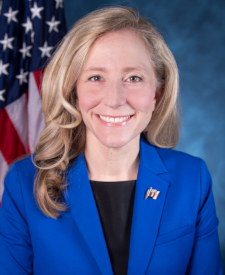


Legislative Progress
In CommitteeReceived; read twice and referred to the Committee on Health, …
Additional sponsors: Ms. Kuster, Mr. Wilson of South Carolina, Ms. …
Mr. McCaul (for himself, Ms. Eshoo, Mr. Kelly of Pennsylvania, …
Impact analysis is available but no clear stakeholder effects identified. View clause-level analysis →
Bill Structure & Actor Mappings
Who is "The Secretary" in each section?
- "the_director"
- → Director of NIH
- "the_secretary"
- → Secretary of Health and Human Services
- "the_commissioner"
- → Commissioner of Food and Drugs
- "the_comptroller_general"
- → Comptroller General of the United States
- "the_director"
- → Director of the Abraham Accords Office
- "the_secretary"
- → Secretary of Health and Human Services
- "the_commissioner"
- → Commissioner of Food and Drugs
- "the_secretary"
- → Secretary of Health and Human Services
Key Definitions
Terms defined in this bill
The use or indication approved under section 505 or licensed under section 351 of the Public Health Service Act for a drug designated under section 526 for a rare disease or condition
A country identified by the Department of State as having signed the Abraham Accords Declaration
An investigation of a drug or biological product that is directed at a molecular target substantially relevant to the growth or progression of a pediatric cancer
We use a combination of our own taxonomy and classification in addition to large language models to assess meaning and potential beneficiaries. High confidence means strong textual evidence. Always verify with the original bill text.
Learn more about our methodology