To amend the Securities Act of 1933 to expand the ability to use testing the waters and confidential draft registration submissions, and for other purposes.
Summary
What This Bill Does
The Encouraging Public Offerings Act of 2025 expands two securities-law accommodations beyond emerging growth companies. Section 2 amends Securities Act section 5(d) so any issuer, or a person authorized to act for any issuer, may test the waters through oral or written communications with qualified institutional buyers and institutional accredited investors before or after filing a registration statement. The SEC may impose terms, conditions, or requirements on testing-the-waters communications by issuers other than emerging growth companies, but only through public-notice-and-comment rulemaking and only after submitting a report to Congress listing findings supporting the rulemaking. Section 3 amends Securities Act section 6(e) so any issuer may confidentially submit draft registration statements for SEC staff review for an IPO, an initial exchange listing under Exchange Act section 12(b), or a follow-on offering. IPO and exchange-listing submissions and amendments must be publicly filed at least 10 days before effectiveness or listing, while follow-on offering submissions must be filed at least 48 hours before effectiveness. The SEC may add requirements for non-emerging-growth companies only after the same report-to-Congress process.
Who Benefits and How
Established companies planning IPOs, issuers pursuing exchange listings, companies planning follow-on offerings, investment banks underwriting IPOs, securities lawyers preparing registration statements, institutional accredited investors, qualified institutional buyers, exchange-listing advisers, and capital-formation advocates benefit because the bill lets more issuers gauge investor interest and resolve SEC comments confidentially before full public exposure.
Who Bears the Burden and How
The Securities and Exchange Commission, SEC Corporation Finance staff, SEC rulemaking staff, retail investors, public-market analysts, investor-protection advocates, journalists tracking IPO pipelines, and Congress receiving SEC reports bear burdens because the bill increases confidential-review volume, reduces early public visibility into offering plans, shortens public scrutiny windows for follow-on offerings to 48 hours, and requires reports before SEC rulemakings on non-emerging-growth issuers.
Key Provisions
- Amends Securities Act section 5(d) to allow all issuers to use testing-the-waters communications.
- Allows issuer-authorized persons to communicate with qualified institutional buyers and institutional accredited investors.
- Authorizes SEC rulemaking for non-emerging-growth-company communications only after a supporting report to Congress.
- Amends Securities Act section 6(e) to allow all issuers to submit confidential draft registration statements.
- Requires public filing 10 days before IPO effectiveness or exchange listing and 48 hours before follow-on offering effectiveness.
- Requires SEC reports to Congress before additional rulemaking on confidential submissions by non-emerging-growth companies.
Evidence Chain:
This summary is generated from the full bill text using AI analysis. Expand "Detailed Analysis" below for identified beneficiaries/burden bearers with clause-level evidence links.
At a Glance
What This Bill Does
Expands Securities Act testing-the-waters communications and confidential draft-registration review from emerging growth companies to all issuers, including IPOs, exchange listings, and follow-on offerings, while allowing SEC rulemaking for non-emerging-growth issuers only after a congressional report supporting the rulemaking basis.
Key Policy Areas
Financial Services, Securities, Capital Formation
Primary Purpose
Expands Securities Act testing-the-waters communications and confidential draft-registration review from emerging growth companies to all issuers, including IPOs, exchange listings, and follow-on offerings, while allowing SEC rulemaking for non-emerging-growth issuers only after a congressional report supporting the rulemaking basis.
Policy Domains
Substantive provisions
Identified Gains
- Established companies planning IPOs
- Issuers pursuing exchange listings
- Companies planning follow-on offerings
- Investment banks underwriting IPOs
- Securities lawyers preparing registration statements
- Institutional accredited investors
- Qualified institutional buyers
- Exchange-listing advisers
- Capital-formation advocates
Identified Costs
- Securities and Exchange Commission
- SEC Corporation Finance staff
- SEC rulemaking staff
- Retail investors
- Public-market analysts
- Investor-protection advocates
- Journalists tracking IPO pipelines
- Congress receiving SEC reports
Sponsors


Legislative Progress
Passed HouseReceived; read twice and referred to the Committee on Banking, …
Passed House (inferred from eh version)
Reported with an amendment, committed to the Committee of the …
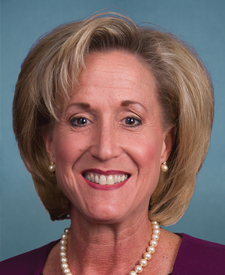
Mrs. Wagner (for herself, Mr. Meeks, and Mr. Sessions) introduced …
Stakeholder Effects
cui bono?How this legislation distributes effects. Mention counts reflect frequency, not effect magnitude.
Companies planning follow-on offerings, Established companies planning IPOs, Institutional accredited investors
Issuer representatives testing investor interest, Journalists tracking IPO pipelines, Public-market analysts
SEC Corporation Finance staff, Securities and Exchange Commission
Bill Structure & Actor Mappings
Who is "The Secretary" in each section?
- "sec"
- → Securities and Exchange Commission
- "issuer"
- → company offering or registering securities
We use a combination of our own taxonomy and classification in addition to large language models to assess meaning and potential beneficiaries. High confidence means strong textual evidence. Always verify with the original bill text.
Learn more about our methodology