Born in the USA Act of 2025
Summary
What This Bill Does
The Born in the USA Act is a funding prohibition aimed at birthright citizenship policy. Its findings reject Executive Order 14160, issued January 20, 2025, and cite the Fourteenth Amendment and United States v. Wong Kim Ark as recognizing citizenship for persons born in the United States and subject to its jurisdiction. The operative section provides that no federal funds may be appropriated or otherwise made available to carry out Executive Order 14160, or any successor executive order, regulation, or policy relating to protecting the meaning and value of American citizenship.
Who Benefits and How
U.S.-born children targeted by Executive Order 14160 benefit because agencies could not use federal funds to deny recognition of their citizenship under that order or a successor policy. Immigrant families benefit from a funding bar that protects birthright citizenship documents, benefits, and recognition. Civil rights organizations benefit from a statutory appropriations tool to challenge agency implementation of the order. State vital records offices benefit from reduced federal pressure to change birth-record practices tied to the executive order.
Who Bears the Burden and How
Federal agencies implementing Executive Order 14160 would be barred from using appropriated funds for that implementation. USCIS policy staff must avoid funded actions that carry out the covered order or successor policy. Executive branch lawyers must account for the appropriations restriction when defending or implementing birthright citizenship policy. Opponents of birthright citizenship restrictions lose a federal funding path for carrying out the order.
Key Provisions
- Bars federal funds from carrying out Executive Order 14160.
- Extends the funding prohibition to any successor executive order, regulation, or policy on the same citizenship issue.
- Uses findings citing the Fourteenth Amendment and United States v. Wong Kim Ark to frame birthright citizenship protection.
- Restricts agency implementation rather than creating a new citizenship adjudication process.
Evidence Chain:
This summary is generated from the full bill text using AI analysis. Expand "Detailed Analysis" below for identified beneficiaries/burden bearers with clause-level evidence links.
At a Glance
What This Bill Does
Prohibits federal funds from being used to carry out Executive Order 14160, or any successor order, regulation, or policy, that would deny recognition of citizenship to certain children born in the United States.
Key Policy Areas
Immigration, Civil Rights, Appropriations
Primary Purpose
Prohibits federal funds from being used to carry out Executive Order 14160, or any successor order, regulation, or policy, that would deny recognition of citizenship to certain children born in the United States.
Policy Domains
Resolution provisions
Identified Gains
- U.S.-born children targeted by Executive Order 14160
- Immigrant families
- Civil rights organizations
- State vital records offices
Identified Costs
- Federal agencies implementing Executive Order 14160
- USCIS policy staff
- Executive branch lawyers
- Birthright citizenship restriction advocates
Sponsors
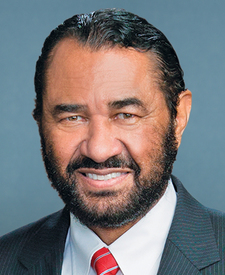
Legislative Progress
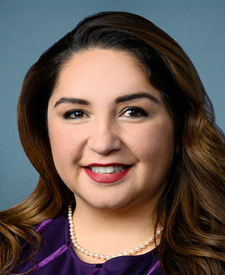
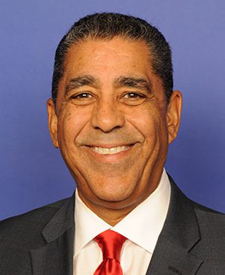
In CommitteeMrs. Ramirez (for herself, Mr. Espaillat, Ms. Meng, Ms. Clarke …
Referred to the House Committee on the Judiciary.
Introduced in House
Stakeholder Effects
cui bono?How this legislation distributes effects. Mention counts reflect frequency, not effect magnitude.
Birthright citizenship restriction advocates, Immigrant families, U.S.-born children targeted by Executive Order 14160
Federal agencies implementing Executive Order 14160, USCIS policy staff
Bill Structure & Actor Mappings
Who is "The Secretary" in each section?
We use a combination of our own taxonomy and classification in addition to large language models to assess meaning and potential beneficiaries. High confidence means strong textual evidence. Always verify with the original bill text.
Learn more about our methodology