Improving Training for School Food Service Workers Act of 2025
Summary
What This Bill Does
The Improving Training for School Food Service Workers Act amends the Child Nutrition Act training and certification provision for local food service personnel. Training programs must be scheduled during regular paid working hours, offered in person when appropriate, incorporate experiential learning, and be provided at no cost to food service personnel. If a training program is scheduled outside regular paid hours, personnel must be informed why outside scheduling is necessary, consulted to choose a minimally disruptive time, compensated at the regular rate including overtime when applicable, and protected from penalty or discrimination if they cannot attend. The bill preserves other federal, state, local, and contractual employment obligations.
Who Benefits and How
School food service workers benefit because required training must be free and generally occur during paid working hours. Cafeteria workers benefit from compensation and anti-penalty protections when training is scheduled outside regular paid hours. School meal program students benefit if experiential training improves food safety, meal quality, and service operations. Food service unions benefit from statutory support for paid training time and worker consultation.
Who Bears the Burden and How
School nutrition directors must schedule training during paid hours or satisfy notice, consultation, compensation, and anti-discrimination conditions. Local educational agencies must cover training costs and potential overtime compensation. State child nutrition agencies must update guidance and oversight for the new training standards. Training vendors may need to provide more in-person and experiential formats.
Key Provisions
- Requires school food service training to be scheduled during regular paid working hours when possible.
- Requires training to be free, experiential, and offered in person when appropriate.
- Requires notice, consultation, regular or overtime compensation, and anti-penalty protection for outside-hours training.
- Preserves other employment laws and legal obligations governing school food service personnel.
Evidence Chain:
This summary is generated from the full bill text using AI analysis. Expand "Detailed Analysis" below for identified beneficiaries/burden bearers with clause-level evidence links.
At a Glance
What This Bill Does
Requires school food service training under the Child Nutrition Act to be free, experiential, and generally scheduled during paid working hours, with compensation, consultation, notice, and anti-penalty protections if training occurs outside regular paid hours.
Key Policy Areas
School Nutrition, Labor, Education
Primary Purpose
Requires school food service training under the Child Nutrition Act to be free, experiential, and generally scheduled during paid working hours, with compensation, consultation, notice, and anti-penalty protections if training occurs outside regular paid hours.
Policy Domains
Resolution provisions
Identified Gains
- School food service workers
- Cafeteria workers
- School meal program students
- Food service unions
Identified Costs
- School nutrition directors
- Local educational agencies
- State child nutrition agencies
- Training vendors
Sponsors
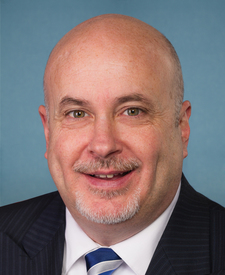




Legislative Progress
In CommitteeMr. Pocan (for himself and Ms. Stefanik) introduced the following …
Referred to the House Committee on Education and Workforce.
Introduced in House
Stakeholder Effects
cui bono?How this legislation distributes effects. Mention counts reflect frequency, not effect magnitude.
Cafeteria workers, Local educational agencies, School food service workers
Positive-direction: Cafeteria workers, School food service workers
Negative-direction: Local educational agencies, School nutrition directors, Training vendors
Bill Structure & Actor Mappings
Who is "The Secretary" in each section?
We use a combination of our own taxonomy and classification in addition to large language models to assess meaning and potential beneficiaries. High confidence means strong textual evidence. Always verify with the original bill text.
Learn more about our methodology