To prohibit the head of a Federal agency from using Federal funds for certain solar energy projects that would result in the conversion of farmland, to exclude from certain tax credits relating to clean energy facilities placed in service on prime farmland, and for other purposes.
Analysis under review: This bill has generated analysis that may be too generic or incomplete. Clause-level evidence remains available below.
Summary
What This Bill Does
This bill, To prohibit the head of a Federal agency from using Federal funds for certain solar energy projects that would result in the conversion of farmland, to exclude from certain tax credits relating to clean energy facilities placed in service on prime farmland, and for other purposes., changes federal law or congressional policy affecting energy producers, utilities, and energy consumers. The main policy domain is Energy, Finance, Agriculture.
Who Benefits and How
energy producers, utilities, and energy consumers may benefit from new authority, funding, eligibility, regulatory clarity, or reduced risk created by the bill.
Who Bears the Burden and How
federal implementing agencies, energy producers, utilities, and energy consumers may take on implementation duties, reporting obligations, compliance costs, or oversight responsibilities.
Key Provisions
- Section H3AE64BE05E414B63B7CDC1943EEB79C6: 1. Short title This Act may be cited as the Protecting American Farmland Act.
- Section HF089A24AAF724A70B1C84EDCE373A8F9: 2. Prohibition on agency funding for covered solar energy projects The head of a Federal agency may not use Federal funds, including by providing funds, a...
- Section HBA1999881FBC427FB1998814EA09CE48: 3. Exclusion of property placed in service on prime farmland from residential clean energy credit Section 25D(e) of the Internal Revenue Code of 1986 is...
- Section H439CAE16173B4081B235817C434CC4BF: 4. Exclusion of facilities located on prime farmland from renewable electricity production credit Section 45(e) of the Internal Revenue Code of 1986 is amended...
- Section HB34B9025A7CF472792B01CF66DF7F8DE: 5. Exclusion of facilities located on prime farmland from clean electricity production credit Section 45Y(g) of the Internal Revenue Code of 1986 is amended by...
Evidence Chain:
This summary is generated from the full bill text using AI analysis. Expand "Detailed Analysis" below for identified beneficiaries/burden bearers with clause-level evidence links.
At a Glance
What This Bill Does
This bill, To prohibit the head of a Federal agency from using Federal funds for certain solar energy projects that would result in the conversion of farmland, to exclude from certain tax credits relating to clean energy facilities placed in service on prime farmland, and for other purposes., changes federal law or congressional policy affecting energy producers, utilities, and energy consumers.
Key Policy Areas
Energy, Finance, Agriculture
Primary Purpose
This bill, To prohibit the head of a Federal agency from using Federal funds for certain solar energy projects that would result in the conversion of farmland, to exclude from certain tax credits relating to clean energy facilities placed in service on prime farmland, and for other purposes., changes federal law or congressional policy affecting energy producers, utilities, and energy consumers.
Policy Domains
Whole bill
Identified Gains
- energy producers, utilities, and energy consumers
Identified Costs
- federal implementing agencies
- energy producers, utilities, and energy consumers
Sponsors


Legislative Progress
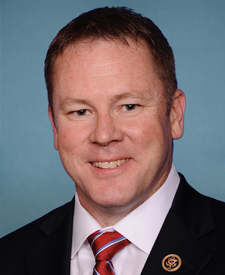
IntroducedMr. Taylor (for himself, Mr. Davidson, and Ms. Hageman) introduced …
Impact analysis is available but no clear stakeholder effects identified. View clause-level analysis →
Bill Structure & Actor Mappings
Who is "The Secretary" in each section?
- "federal_implementing_agencies"
- → Federal agencies assigned duties by the bill
We use a combination of our own taxonomy and classification in addition to large language models to assess meaning and potential beneficiaries. High confidence means strong textual evidence. Always verify with the original bill text.
Learn more about our methodology