SERVICE Act of 2025
Summary
What This Bill Does
The SERVICE Act lets the Attorney General, acting through the COPS Office, award grants to state, local, and Tribal governments for veteran response teams within law enforcement agencies. Teams may issue veteran-officer service pins, use the VA Veterans Re-Entry Search Service, coordinate with VA and community resource agencies, work with Veterans Justice Outreach specialists and local justice-system partners, train officers on PTSD, traumatic brain injury, depression, and anxiety, and organize volunteer first responders for 24-hour veteran-in-crisis calls. To create a team, an agency must identify a leader, participating officers, and community partners such as veteran organizations, local VA facilities, fire or EMS agencies, hospitals, social workers, courts, detention facilities, and nonprofits. The authority ends five years after enactment, and the Attorney General must report to Congress on applicants, awards, average amounts sought and awarded, and other grant information.
Who Benefits and How
Veterans in crisis benefit because participating police agencies can build teams trained to connect them with VA, court, housing, mental health, and community resources. Veteran law enforcement officers benefit from service pins and internal team roles that identify them as contacts for veteran-related calls. Local law enforcement agencies benefit from COPS Office funding for training, coordination, and 24-hour response capacity. Veterans Justice Outreach specialists benefit because the bill formalizes their coordination role with participating police teams.
Who Bears the Burden and How
State governments applying for grants must design programs, coordinate partners, and report information needed for federal oversight. Tribal governments face the same application and coordination duties if they seek pilot funding. COPS Office grant staff must administer awards and produce the required congressional report. Participating officers must take training on veteran trauma conditions and maintain ongoing contact with service networks.
Key Provisions
- Authorizes COPS Office grants for veteran response teams in state, local, and Tribal law enforcement agencies.
- Requires teams to coordinate with VA, Veterans Justice Outreach, courts, detention intake, first responders, and community resource agencies.
- Funds officer training on PTSD, traumatic brain injury, depression, anxiety, and veteran crisis response.
- Requires a congressional report and terminates the pilot authority five years after enactment.
Evidence Chain:
This summary is generated from the full bill text using AI analysis. Expand "Detailed Analysis" below for identified beneficiaries/burden bearers with clause-level evidence links.
At a Glance
What This Bill Does
Authorizes a five-year COPS Office pilot grant program for state, local, and Tribal law enforcement agencies to build veteran response teams that identify veterans in crisis, coordinate services, train officers, and report grant outcomes to Congress.
Key Policy Areas
Veterans, Law Enforcement, Mental Health
Primary Purpose
Authorizes a five-year COPS Office pilot grant program for state, local, and Tribal law enforcement agencies to build veteran response teams that identify veterans in crisis, coordinate services, train officers, and report grant outcomes to Congress.
Policy Domains
Resolution provisions
Identified Gains
- Veterans in crisis
- Veteran law enforcement officers
- Local law enforcement agencies
- Veterans Justice Outreach specialists
Identified Costs
- State governments
- Tribal governments
- COPS Office grant staff
- Participating officers
Sponsors
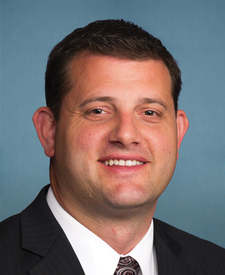
Legislative Progress
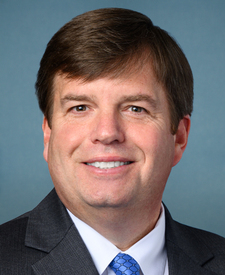
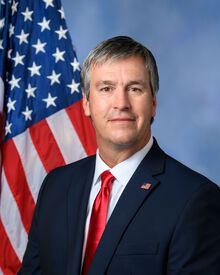
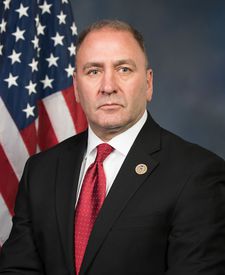
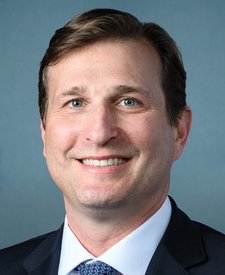
In CommitteeMr. Strong (for himself, Mr. Correa, Ms. Salazar, Mr. Ivey, …
Referred to the House Committee on the Judiciary.
Introduced in House
Stakeholder Effects
cui bono?How this legislation distributes effects. Mention counts reflect frequency, not effect magnitude.
Local law enforcement agencies, Participating officers, Veteran law enforcement officers
Positive-direction: Local law enforcement agencies
Negative-direction: Participating officers
Veterans Justice Outreach specialists, Veterans in crisis
Bill Structure & Actor Mappings
Who is "The Secretary" in each section?
We use a combination of our own taxonomy and classification in addition to large language models to assess meaning and potential beneficiaries. High confidence means strong textual evidence. Always verify with the original bill text.
Learn more about our methodology