Providing Child Care for Police Officers Act of 2025
Summary
What This Bill Does
The Providing Child Care for Police Officers Act creates a competitive HHS grant program through the Administration for Children and Families. Lead agencies receive three-year grants to help law enforcement agencies or consortia establish and operate child care programs for minor children of law enforcement officers working shift work and nontraditional hours. At least 20 percent of annual funding must go to agencies with fewer than 200 full-time officers or consortia including such an agency. Covered entities can use funds for startup costs, provider training, child care financial assistance, sick-child care, contracts with resource and referral organizations or health departments, care for children with disabilities, nonstandard-hour care, facility operation, construction, or renovation, and related activities. No single applicant may receive more than $3 million. Non-federal match requirements rise from 10 percent in year one to 25 percent in year two and 33 1/3 percent in year three. Providers must meet CCDBG health and safety requirements, lead agencies must monitor funds and audits, misuse can trigger repayment with interest, HHS must study capacity and facilities, and the program terminates September 30, 2030.
Who Benefits and How
Law enforcement officers benefit because child care can be available during shifts, overnight work, and other nontraditional hours. Small police departments benefit from the 20 percent funding reservation for agencies with fewer than 200 full-time officers or related consortia. Child care providers benefit from startup, training, facility, nonstandard-hour, and children-with-disabilities support. Lead agencies benefit from federal funding to build child care capacity for public safety workers in their states, territories, or tribal lands.
Who Bears the Burden and How
HHS child care staff must run the grant competition, study results, oversee misuse repayment, and administer the program through fiscal 2030. Lead agencies must monitor health and safety compliance, provide technical assistance, collect annual audits, and notify HHS of misuse. Covered law enforcement agencies must submit applications and provide rising non-federal matching contributions. Federal taxpayers bear the $24 million annual authorization and up to $2.5 million in study and administration costs.
Key Provisions
- Creates three-year HHS grants for child care serving law enforcement officers working shifts and nontraditional hours.
- Reserves at least 20 percent of funding for small law enforcement agencies or consortia including them.
- Authorizes startup, training, family assistance, sick-child care, disability care, nonstandard-hour care, construction, and renovation uses.
- Requires matching funds, audits, misuse repayment, studies, and $24 million annually through fiscal 2030.
Evidence Chain:
This summary is generated from the full bill text using AI analysis. Expand "Detailed Analysis" below for identified beneficiaries/burden bearers with clause-level evidence links.
At a Glance
What This Bill Does
Authorizes $24 million annually through fiscal 2030 for competitive HHS grants to help lead agencies fund child care programs for law enforcement officers working shifts and nontraditional hours.
Key Policy Areas
Child Care, Law Enforcement, Public Safety
Primary Purpose
Authorizes $24 million annually through fiscal 2030 for competitive HHS grants to help lead agencies fund child care programs for law enforcement officers working shifts and nontraditional hours.
Policy Domains
Resolution provisions
Identified Gains
- Law enforcement officers
- Small police departments
- Child care providers
- Lead agencies
Identified Costs
- HHS child care staff
- Lead agencies
- Covered law enforcement agencies
- Federal taxpayers
Sponsors
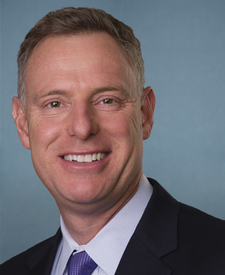
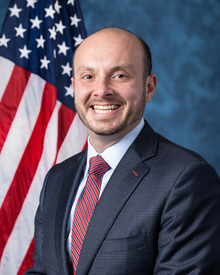

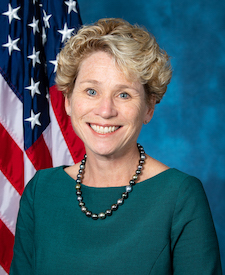
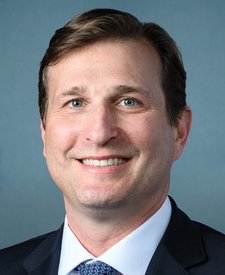
Legislative Progress
In CommitteeMr. Peters (for himself, Mr. Valadao, Mr. Harder of California, …
Referred to the Committee on the Judiciary, and in addition …
Introduced in House
Stakeholder Effects
cui bono?How this legislation distributes effects. Mention counts reflect frequency, not effect magnitude.
Covered law enforcement agencies, Law enforcement officers, Small police departments
Positive-direction: Law enforcement officers, Small police departments
Negative-direction: Covered law enforcement agencies
Bill Structure & Actor Mappings
Who is "The Secretary" in each section?
We use a combination of our own taxonomy and classification in addition to large language models to assess meaning and potential beneficiaries. High confidence means strong textual evidence. Always verify with the original bill text.
Learn more about our methodology