To protect Moms and babies against climate change, and for other purposes.
Analysis under review: This bill has generated analysis that may be too generic or incomplete. Clause-level evidence remains available below.
Summary
What This Bill Does
This bill, To protect Moms and babies against climate change, and for other purposes., changes federal law or congressional policy affecting health care providers and patients. The main policy domain is Healthcare, Environment, Government Operations.
Who Benefits and How
health care providers and patients may benefit from new authority, funding, eligibility, regulatory clarity, or reduced risk created by the bill.
Who Bears the Burden and How
federal implementing agencies, health care providers and patients may take on implementation duties, reporting obligations, compliance costs, or oversight responsibilities.
Key Provisions
- Section H8AD9EC2ACF2A43239EFA21AC5C050398: 1. Short title This Act may be cited as the Protecting Moms and Babies Against Climate Change Act.
- Section H5FD9569EA1A541029F75963FC29DB231: 2. Definitions In this Act: The term adverse maternal and infant health outcomes includes the outcomes of preterm birth, low birth weight, stillbirth, infant...
- Section HF2A17DB59FFA4C01977544DE2C042ED7: 3. Grant program to protect vulnerable mothers and babies from climate change risks Not later than 180 days after the date of the enactment of this Act, the...
- Section H76F44E67539640EEAF9CE0A56924638E: 4. Grant program for education and training at health profession schools Not later than 1 year after the date of the enactment of this Act, the Secretary shall...
- Section H41CBF3A9A43640A081FC09AE3695CA31: 5. NIH Consortium on Birth and Climate Change Research Not later than one year after the date of the enactment of this Act, the Director of the National...
Evidence Chain:
This summary is generated from the full bill text using AI analysis. Expand "Detailed Analysis" below for identified beneficiaries/burden bearers with clause-level evidence links.
At a Glance
What This Bill Does
This bill, To protect Moms and babies against climate change, and for other purposes., changes federal law or congressional policy affecting health care providers and patients.
Key Policy Areas
Healthcare, Environment, Government Operations
Primary Purpose
This bill, To protect Moms and babies against climate change, and for other purposes., changes federal law or congressional policy affecting health care providers and patients.
Policy Domains
Whole bill
Identified Gains
- health care providers and patients
Identified Costs
- federal implementing agencies
- health care providers and patients
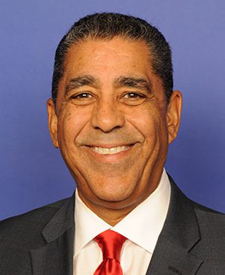
Sponsors
Legislative Progress
IntroducedMs. Underwood (for herself, Mr. Aguilar, Mr. Allred, Ms. Barragán, …
Impact analysis is available but no clear stakeholder effects identified. View clause-level analysis →
Bill Structure & Actor Mappings
Who is "The Secretary" in each section?
- "administrator_of_epa"
- → Administrator of the Environmental Protection Agency
- "secretary_of_health_and_human_services"
- → Secretary of Health and Human Services
Key Definitions
Terms defined in this bill
an accredited— medical school
a consortium of organizations serving a county that— shall include a community-based organization
We use a combination of our own taxonomy and classification in addition to large language models to assess meaning and potential beneficiaries. High confidence means strong textual evidence. Always verify with the original bill text.
Learn more about our methodology