To amend the Homeland Security Act of 2002 to establish a process to review applications for certain grants to purchase equipment or systems that do not meet or exceed any applicable national voluntary consensus standards, and for other purposes.
Analysis under review: This bill has generated analysis that may be too generic or incomplete. Clause-level evidence remains available below.
Summary
What This Bill Does
The First Responder Access to Innovative Technologies Act creates a formal process for FEMA to review and approve federal grant applications from first responders (police, fire, EMS) who want to purchase emergency equipment that doesn't meet existing national safety standards. Currently, first responders can only use homeland security grants to buy equipment on an approved list that meets consensus standards—this bill opens the door for innovative or non-standard equipment.
Who Benefits and How
State and local first responder agencies (fire departments, police, EMS) benefit by gaining access to cutting-edge emergency equipment that may work better for their specific needs, even if it hasn't yet been formally standardized. Emergency equipment manufacturers and technology startups with innovative products that haven't gone through the lengthy standardization process benefit from new revenue opportunities as their non-standard equipment becomes eligible for federal grant purchases.
Who Bears the Burden and How
FEMA Administrator must implement and administer a new uniform review process for these non-standard equipment applications, adding administrative workload. DHS Inspector General must conduct an assessment and report to Congress within three years on how the new review process is working, including tracking approval/denial rates and processing times.
Key Provisions
- Creates a uniform FEMA review process for grant applications seeking to purchase equipment not meeting national consensus standards
- Establishes six factors FEMA must consider: federal/military use of the equipment, absence of applicable standards, international standards compliance, capability gaps addressed, and superiority over standardized alternatives
- Requires Inspector General report to Congress within 3 years on program implementation
- Applies to State Homeland Security Grant Program (SHSGP) and Urban Area Security Initiative (UASI) grants
- Also allows review of equipment not on FEMA's Authorized Equipment List
Evidence Chain:
This summary is generated from the full bill text using AI analysis. Expand "Detailed Analysis" below for identified beneficiaries/burden bearers.
At a Glance
What This Bill Does
Establishes a uniform process for FEMA to review and approve grant applications from first responders to purchase emergency equipment that does not meet existing national voluntary consensus standards, enabling access to innovative technologies.
Who Benefits
- State and local first responder agencies seeking innovative equipment
- Emergency equipment manufacturers with products not yet meeting consensus standards
- Small and emerging technology companies in the emergency equipment market
Who Bears Costs
- FEMA Administrator (new review process requirements)
- DHS Inspector General (new reporting requirement)
Key Policy Areas
Homeland Security, Emergency Management, First Responders, Government Procurement
Primary Purpose
Establishes a uniform process for FEMA to review and approve grant applications from first responders to purchase emergency equipment that does not meet existing national voluntary consensus standards, enabling access to innovative technologies.
Policy Domains
Legislative Strategy
"Remove bureaucratic barriers preventing first responders from accessing innovative or non-standardized equipment through federal grant programs"
Identified Gains
- State and local first responder agencies seeking innovative equipment
- Emergency equipment manufacturers with products not yet meeting consensus standards
- Small and emerging technology companies in the emergency equipment market
Identified Costs
- FEMA Administrator (new review process requirements)
- DHS Inspector General (new reporting requirement)
Sponsors
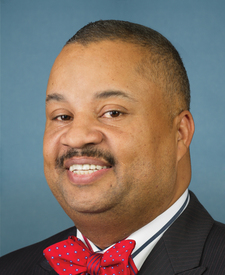
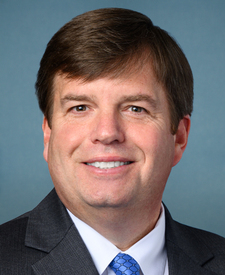
Legislative Progress
ReportedReported by Mr. Peters, without amendment
Reported from the Committee on Homeland Security; committed to the …
Mr. Payne (for himself and Mr. Strong) introduced the following …
Stakeholder Effects
cui bono?How this legislation distributes effects. Mention counts reflect frequency, not effect magnitude.
Emergency equipment manufacturers with non-standardized products, Established equipment manufacturers meeting existing standards
Innovative technology startups in emergency equipment sector
Bill Structure & Actor Mappings
Who is "The Secretary" in each section?
- "the_administrator"
- → FEMA Administrator
- "the_inspector_general"
- → Inspector General of the Department of Homeland Security
Key Definitions
Terms defined in this bill
Grant program provisions for State Homeland Security Grant Program (SHSGP) and Urban Area Security Initiative (UASI)
Standards developed under Post-Katrina Emergency Management Reform Act of 2006 for first responder equipment
List maintained by FEMA Administrator of approved equipment for purchase with homeland security grants
We use a combination of our own taxonomy and classification in addition to large language models to assess meaning and potential beneficiaries. High confidence means strong textual evidence. Always verify with the original bill text.
Learn more about our methodology