Journalist Protection Act
Summary
What This Bill Does
The Journalist Protection Act adds a new federal offense for intentional assaults on journalists. It covers employees, contractors, or agents of news services, newspapers, books, wire services, news websites and apps, television, radio, multichannel video programming distributors, and film. A person who intentionally causes bodily injury while a journalist is gathering news, or with intent to intimidate or impede newsgathering, can face up to 3 years in prison; serious bodily injury raises the maximum to 6 years. The bill treats violence against reporting as both a safety offense and a press-freedom problem.
Who Benefits and How
Journalists benefit from a specific federal criminal statute aimed at assaults tied to newsgathering. News organizations benefit because the bill gives reporters, photographers, and contractors a clearer federal protection. Press freedom advocates benefit from a criminal enforcement hook against intimidation of reporting work. Public-interest readers benefit if journalists face less physical intimidation while covering events.
Who Bears the Burden and How
Assault defendants face federal prosecution and imprisonment when violence targets journalists or impedes newsgathering. DOJ prosecutors must prove injury, journalist status, and the newsgathering or intimidation connection. Federal court staff must process a new category of criminal cases. Law enforcement officers must identify when attacks at protests, crime scenes, or public events trigger the federal journalist-assault offense.
Key Provisions
- Creates a federal offense for intentionally causing bodily injury to journalists during newsgathering.
- Provides a 3-year maximum penalty for bodily injury and a 6-year maximum for serious bodily injury.
- Defines journalists broadly across newspapers, wire services, online news, television, radio, video distributors, and film.
- Protects newsgathering by covering assaults intended to intimidate or impede reporting.
Evidence Chain:
This summary is generated from the full bill text using AI analysis. Expand "Detailed Analysis" below for identified beneficiaries/burden bearers with clause-level evidence links.
At a Glance
What This Bill Does
Creates a federal crime for intentionally assaulting journalists during newsgathering or to intimidate or impede their work, with higher penalties for serious bodily injury.
Key Policy Areas
Criminal Justice, Press Freedom, Public Safety
Primary Purpose
Creates a federal crime for intentionally assaulting journalists during newsgathering or to intimidate or impede their work, with higher penalties for serious bodily injury.
Policy Domains
Resolution provisions
Identified Gains
- Journalists
- News organizations
- Press freedom advocates
- Public-interest readers
Identified Costs
- Assault defendants
- DOJ prosecutors
- Federal court staff
- Law enforcement officers
Sponsors
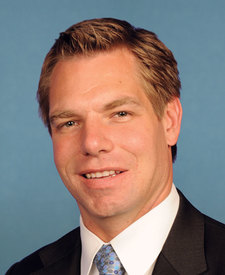
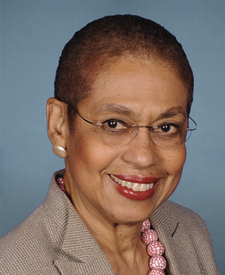
Legislative Progress
In CommitteeMr. Swalwell (for himself and Ms. Norton) introduced the following …
Referred to the House Committee on the Judiciary.
Introduced in House
Stakeholder Effects
cui bono?How this legislation distributes effects. Mention counts reflect frequency, not effect magnitude.
Bill Structure & Actor Mappings
Who is "The Secretary" in each section?
We use a combination of our own taxonomy and classification in addition to large language models to assess meaning and potential beneficiaries. High confidence means strong textual evidence. Always verify with the original bill text.
Learn more about our methodology