BRAVE Burma Act
Summary
What This Bill Does
The BRAVE Burma Act strengthens U.S. pressure on Burma's military regime. The most recent House text requires the President, within 180 days and annually for seven years, to determine whether Burmese state-owned enterprises, Myanma Economic Bank, and foreign persons operating in Burma's jet-fuel sector meet sanctions criteria under the BURMA Act or Executive Order 14014, and to report the assessment to Congress. It also instructs the Treasury Secretary to direct the U.S. Executive Director at the International Monetary Fund to use the U.S. voice and vote to limit any increase in Burma's IMF shareholding while Burma remains under the State Administration Council, unless the President certifies a national-interest waiver. Earlier parsed versions also extend BURMA Act sunset authority from eight to ten years and create a Senate-confirmed Special Envoy for Burma responsible for coordinating U.S. policy, multilateral sanctions, pressure on China and Russia, engagement with Burmese civil society, humanitarian support, and accountability for Rohingya and other ethnic minority communities.
Who Benefits and How
Burmese democracy advocates benefit because the bill keeps sanctions pressure focused on the military regime's revenue channels. Burmese civil society groups benefit from reporting and, in earlier text, a Special Envoy charged with engagement and coordination. Rohingya communities and Burma ethnic minority groups benefit from provisions emphasizing accountability, humanitarian coordination, and pressure on the military. Congressional foreign-affairs committees benefit from recurring reports on sanction determinations. U.S. sanctions officials benefit from explicit statutory direction to assess state-owned enterprises, Myanma Economic Bank, and jet-fuel-sector actors.
Who Bears the Burden and How
The State Administration Council bears pressure through sanction assessments and limits on IMF shareholding gains. Burmese state-owned enterprises, Myanma Economic Bank, and Burma jet-fuel firms face higher sanction risk and financial isolation. The President must make recurring determinations and submit reports for seven years. The Treasury Department and U.S. Executive Director at the IMF must carry out the shareholding-limitation instruction. The State Department would bear Special Envoy staffing, coordination, and diplomatic implementation duties under earlier versions.
Key Provisions
- Requires the President to assess Burmese state-owned enterprises for sanctions eligibility within 180 days and annually for seven years.
- Requires sanction assessments for Myanma Economic Bank and foreign persons operating in Burma's jet-fuel sector.
- Requires reports to the appropriate congressional committees in unclassified form with a possible classified annex.
- Directs the Treasury Secretary to use the U.S. IMF voice and vote to limit Burma shareholding increases while the State Administration Council rules Burma.
- Provides a presidential national-interest waiver with committee certification and explanation.
- Includes earlier parsed text extending BURMA Act sunset authority and creating a U.S. Special Envoy for Burma.
Evidence Chain:
This summary is generated from the full bill text using AI analysis. Expand "Detailed Analysis" below for identified beneficiaries/burden bearers with clause-level evidence links.
At a Glance
What This Bill Does
Strengthens Burma sanctions and accountability by extending BURMA Act authorities, requiring annual sanction determinations for Burmese state-owned enterprises, Myanma Economic Bank, and jet-fuel-sector actors, limiting Burma shareholding increases at the International Monetary Fund while the State Administration Council controls the country, and directing a U.S. Special Envoy for Burma in earlier versions.
Key Policy Areas
Foreign Policy, Sanctions, Human Rights, International Finance
Primary Purpose
Strengthens Burma sanctions and accountability by extending BURMA Act authorities, requiring annual sanction determinations for Burmese state-owned enterprises, Myanma Economic Bank, and jet-fuel-sector actors, limiting Burma shareholding increases at the International Monetary Fund while the State Administration Council controls the country, and directing a U.S. Special Envoy for Burma in earlier versions.
Policy Domains
House resolution provisions
Identified Gains
- Burmese democracy advocates
- Burmese civil society groups
- Rohingya communities
- Burma ethnic minority groups
- Congressional foreign-affairs committees
Identified Costs
- State Administration Council
- Burmese state-owned enterprises
- Myanma Economic Bank
- Burma jet-fuel firms
- Treasury Department
Sponsors
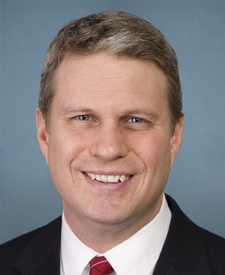
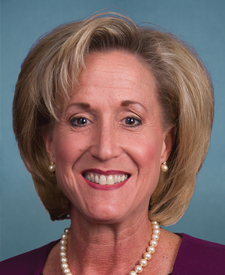
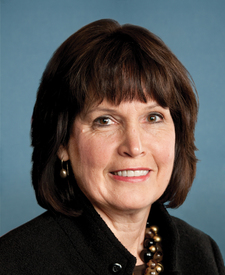
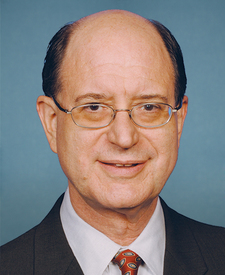
Legislative Progress
ReportedReceived in the Senate and Read twice and referred to …
Received; read twice and referred to the Committee on Foreign …
Motion to reconsider laid on the table Agreed to without …
On motion to suspend the rules and pass the bill, …
Passed/agreed to in House: On motion to suspend the rules …
DEBATE - The House proceeded with forty minutes of debate …
Considered under suspension of the rules. (consideration: CR H2080-2081)
Mr. Hill (AR) moved to suspend the rules and pass …
Reported (Amended) by the Committee on Financial Services. H. Rept. …
Ordered to be Reported (Amended) by the Yeas and Nays: …
Stakeholder Effects
cui bono?How this legislation distributes effects. Mention counts reflect frequency, not effect magnitude.
Burma ethnic minority groups, Burmese civil society groups, Burmese democracy advocates
Congressional foreign-affairs committees, President of the United States, Treasury Department
Positive-direction: Congressional foreign-affairs committees
Negative-direction: President of the United States, Treasury Department, U.S. Executive Director at IMF, U.S. State Department
Burmese state-owned enterprises, China government, Russia government
Myanma Economic Bank, Sanctions compliance offices
Bill Structure & Actor Mappings
Who is "The Secretary" in each section?
- "treasury"
- → Secretary of the Treasury
- "president"
- → President of the United States
- "imf_director"
- → U.S. Executive Director at the International Monetary Fund
- "special_envoy"
- → United States Special Envoy for Burma
We use a combination of our own taxonomy and classification in addition to large language models to assess meaning and potential beneficiaries. High confidence means strong textual evidence. Always verify with the original bill text.
Learn more about our methodology