Local Food Recycling and Regenerative Opportunities Act
Summary
What This Bill Does
The Local Food Recycling and Regenerative Opportunities Act creates a new Internal Revenue Code section 25F credit for diverting wasted food. Individuals may claim a credit equal to 30 percent of the amount paid or incurred for qualified residential food recycling appliances and qualified residential organic waste services. Appliance credits are capped at 300 dollars per appliance, and service credits are capped at 120 dollars in the aggregate per taxable year. A qualifying appliance must be an electric appliance placed in service in the taxpayer's U.S. principal residence, separate food waste from trash, and pre-process inedible or uneaten food through dehydration and size reduction for landfill diversion. A qualifying service must collect locally generated organic waste, including appliance-preprocessed food waste, from the taxpayer's U.S. principal residence for local management and landfill diversion. No double tax benefit is allowed, basis is reduced by credited amounts, credits terminate for appliances or services acquired after December 31, 2031, and the rules apply to taxable years beginning after December 31, 2025.
Who Benefits and How
Households buying food recycling appliances benefit from a 30 percent credit capped at 300 dollars per appliance. Households subscribing to organic waste collection benefit from a 30 percent credit capped at 120 dollars per year. Food recycling appliance manufacturers benefit if the credit increases demand for qualifying home equipment. Local composting and organic waste service providers benefit from subsidized residential collection demand. Municipal waste programs benefit indirectly if more food waste is diverted from landfills.
Who Bears the Burden and How
IRS guidance staff must define, administer, and enforce the new section 25F credit. Taxpayers must track qualifying appliance and service expenses and avoid double benefits. Appliance retailers and service providers may need to document eligibility for customers. Treasury revenue accounts lose tax receipts from credits claimed through 2031.
Key Provisions
- Creates a 30 percent individual tax credit for residential food recycling appliances and organic waste services.
- Caps the appliance credit at 300 dollars per qualifying appliance.
- Caps the organic waste service credit at 120 dollars per taxable year.
- Defines eligible appliances and services by principal residence use, food waste separation, preprocessing, collection, local management, and landfill diversion.
- Terminates the credit for appliances or services acquired after December 31, 2031.
Evidence Chain:
This summary is generated from the full bill text using AI analysis. Expand "Detailed Analysis" below for identified beneficiaries/burden bearers with clause-level evidence links.
At a Glance
What This Bill Does
Creates a temporary 30 percent individual tax credit through 2031 for residential food recycling appliances and local organic waste collection services, capped at 300 dollars for appliances and 120 dollars for services.
Key Policy Areas
Tax, Waste Reduction, Climate
Primary Purpose
Creates a temporary 30 percent individual tax credit through 2031 for residential food recycling appliances and local organic waste collection services, capped at 300 dollars for appliances and 120 dollars for services.
Policy Domains
Resolution provisions
Identified Gains
- Households buying food recycling appliances
- Households subscribing to organic waste collection
- Food recycling appliance manufacturers
- Organic waste service providers
- Municipal waste programs
Identified Costs
- IRS guidance staff
- Taxpayers
- Appliance retailers
- Treasury revenue accounts
Sponsors
Legislative Progress
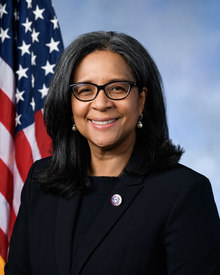
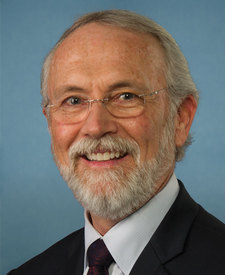
In CommitteeMs. Strickland (for herself and Mr. Newhouse) introduced the following …
Referred to the House Committee on Ways and Means.
Introduced in House
Stakeholder Effects
cui bono?How this legislation distributes effects. Mention counts reflect frequency, not effect magnitude.
Households subscribing to organic waste collection, Organic waste service providers
Bill Structure & Actor Mappings
Who is "The Secretary" in each section?
We use a combination of our own taxonomy and classification in addition to large language models to assess meaning and potential beneficiaries. High confidence means strong textual evidence. Always verify with the original bill text.
Learn more about our methodology