Ensuring Community Access to Pharmacist Services Act
Summary
What This Bill Does
The Ensuring Community Access to Pharmacist Services Act creates a new Medicare Part B benefit for pharmacist services. It amends Social Security Act section 1861 so a pharmacist can be paid for services and incident-to supplies that would otherwise be covered if furnished by a physician, as long as the pharmacist is legally authorized under State law and follows any State supervision or collaboration requirement. The covered services include evaluation and management visits for testing or treatment of COVID-19, influenza, respiratory syncytial virus, and streptococcal pharyngitis, plus testing or treatment services tied to a public health emergency declared under Public Health Service Act section 319. Payment is generally set at 85 percent of the physician fee schedule amount, while public-health-emergency services are paid at 100 percent.
Who Benefits and How
Pharmacist service providers benefit because Medicare Part B would recognize a new paid clinical service category for disease testing, treatment, and emergency-response services. Pharmacy business owners benefit from a new reimbursement stream for state-authorized clinical work that may already occur in community pharmacies. Medicare beneficiaries benefit from more access points for common infectious-disease evaluation and treatment, especially where physician appointments are scarce. Rural Medicare patients and underserved communities benefit if pharmacies can provide quicker testing and treatment access. Public health agencies benefit from a larger clinical workforce during declared emergencies.
Who Bears the Burden and How
The Medicare Part B program and Federal taxpayers bear new payment costs for pharmacist-provided services. The Centers for Medicare and Medicaid Services must implement coverage, billing, supervision, collaboration, and payment rules. Pharmacists must stay within State scope-of-practice law and comply with any physician-supervision or collaboration conditions. Primary care physician practices may lose some routine infectious-disease visits to pharmacy settings. Medicare claims contractors must process and police the new service category.
Key Provisions
- Adds pharmacist services to the Medicare Part B list of covered medical and health services.
- Defines covered pharmacist services as state-authorized services and incident-to supplies that would otherwise be covered if furnished by a physician.
- Provides coverage for evaluation, testing, and treatment of COVID-19, influenza, RSV, and strep throat.
- Provides coverage for testing or treatment services connected to declared public health emergencies.
- Sets payment at 85 percent of the physician fee schedule amount, or 100 percent for public-health-emergency services.
Evidence Chain:
This summary is generated from the full bill text using AI analysis. Expand "Detailed Analysis" below for identified beneficiaries/burden bearers with clause-level evidence links.
At a Glance
What This Bill Does
Adds pharmacist services to Medicare Part B coverage when pharmacists provide state-authorized evaluation, testing, treatment, and related supplies for COVID-19, influenza, RSV, strep throat, or public-health-emergency services, with payment tied to the physician fee schedule.
Key Policy Areas
Medicare, Pharmacy, Public Health
Primary Purpose
Adds pharmacist services to Medicare Part B coverage when pharmacists provide state-authorized evaluation, testing, treatment, and related supplies for COVID-19, influenza, RSV, strep throat, or public-health-emergency services, with payment tied to the physician fee schedule.
Policy Domains
House resolution provisions
Identified Gains
- Pharmacist service providers
- Pharmacy business owners
- Medicare beneficiaries
- Rural Medicare patients
- Public health agencies
Identified Costs
- Medicare Part B program
- Centers for Medicare and Medicaid Services
- Pharmacists
- Primary care physician practices
- Medicare claims contractors
Sponsors
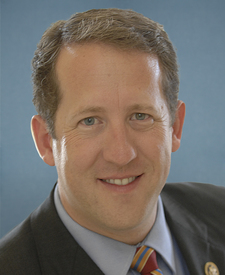
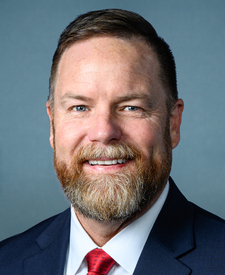
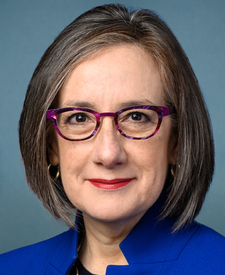
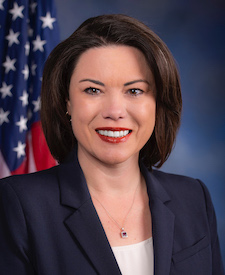
Legislative Progress
ReportedOrdered to be Reported in the Nature of a Substitute …
Committee Consideration and Mark-up Session Held
Mr. Smith of Nebraska (for himself, Mr. Schneider, Mrs. Harshbarger, …
Referred to the Committee on Energy and Commerce, and in …
Introduced in House
Stakeholder Effects
cui bono?How this legislation distributes effects. Mention counts reflect frequency, not effect magnitude.
Medicare Part B program, Medicare beneficiaries, Pharmacist service providers
Positive-direction: Medicare beneficiaries, Pharmacist service providers, Pharmacy business owners
Negative-direction: Medicare Part B program, Primary care physician practices
Bill Structure & Actor Mappings
Who is "The Secretary" in each section?
- "cms"
- → Centers for Medicare and Medicaid Services
- "secretary"
- → Secretary of Health and Human Services
We use a combination of our own taxonomy and classification in addition to large language models to assess meaning and potential beneficiaries. High confidence means strong textual evidence. Always verify with the original bill text.
Learn more about our methodology