Emergency Care Improvement Act
Summary
What This Bill Does
The Emergency Care Improvement Act makes certain freestanding emergency centers eligible for federal coverage and payment. Congress's findings point to the COVID-19 waiver under which CMS allowed freestanding emergency centers to enroll as Medicare-certified hospitals, notes that these facilities are staffed by emergency physicians and registered nurses 24 hours a day with pharmacies, labs, and imaging, and cites over 118 enrolled centers mostly in Texas plus an actuarial finding that they saved Medicare 21.8 percent in lower emergency-care payments for similar-acuity patients. The bill adds specified emergency services furnished by a freestanding emergency center to Medicare Part B medical and other health services, defines qualifying centers as independent freestanding emergency departments with 24/7 physician availability, hospital transfer arrangements, governing bodies, quality-assessment programs, state emergency-service compliance, metropolitan or limited rural location rules, and standards no greater than off-campus hospital emergency-department conditions of participation. Specified emergency services exclude low-level HCPCS evaluation and management codes 99281 and 99282. The bill extends EMTALA-related definitions to participating freestanding emergency centers, pays their specified emergency services as if covered under the outpatient prospective payment system, adds the services to Medicaid medical assistance, and creates a Stark-law exception for laboratory and imaging services furnished in connection with specified emergency services.
Who Benefits and How
Freestanding emergency centers benefit because specified emergency services become covered and payable under Medicare and Medicaid. Medicare beneficiaries needing emergency care benefit from additional covered emergency sites, including certain rural centers without nearby hospitals. Medicaid patients benefit because specified freestanding emergency-center services are added to the Medicaid medical-assistance definition. Emergency physicians and nurses working in qualifying centers benefit from a more stable federal payment pathway. Medicare program managers may benefit if freestanding center use produces the lower emergency-payment savings cited in the findings.
Who Bears the Burden and How
CMS Medicare staff must define participation, coverage, payment, EMTALA, quality, and outpatient payment rules for freestanding emergency centers. State Medicaid agencies must cover specified emergency services furnished by qualifying freestanding emergency centers. Freestanding emergency centers must meet 24/7 staffing, transfer, governance, quality, state, location, and participation standards. Hospitals and rural emergency hospitals may face new competition from covered freestanding emergency centers. Federal health program accounts bear Medicare and Medicaid spending for services that previously lacked permanent coverage.
Key Provisions
- Adds specified emergency services furnished by freestanding emergency centers to Medicare Part B coverage.
- Defines freestanding emergency centers by independent status, 24/7 physician availability, hospital transfer arrangements, governance, quality programs, location rules, and state emergency-service standards.
- Excludes HCPCS codes 99281 and 99282 from specified emergency services.
- Applies EMTALA definitions to participating freestanding emergency centers.
- Pays Medicare services as if covered under hospital outpatient department payment and adds the services to Medicaid.
- Creates a Stark-law exception for lab and imaging services connected to specified emergency services.
Evidence Chain:
This summary is generated from the full bill text using AI analysis. Expand "Detailed Analysis" below for identified beneficiaries/burden bearers with clause-level evidence links.
At a Glance
What This Bill Does
Adds qualified freestanding emergency centers to Medicare and Medicaid coverage for specified emergency services, paying them like hospital outpatient departments while applying EMTALA and facility standards.
Key Policy Areas
Health Care, Medicare, Medicaid
Primary Purpose
Adds qualified freestanding emergency centers to Medicare and Medicaid coverage for specified emergency services, paying them like hospital outpatient departments while applying EMTALA and facility standards.
Policy Domains
Resolution provisions
Identified Gains
- Freestanding emergency centers
- Medicare beneficiaries
- Medicaid patients
- Emergency physicians
- Medicare program managers
Identified Costs
- CMS Medicare staff
- State Medicaid agencies
- Freestanding emergency centers
- Hospitals
- Federal health program accounts
Sponsors

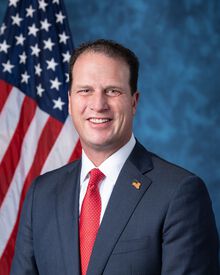

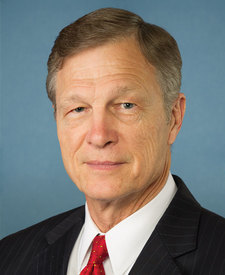
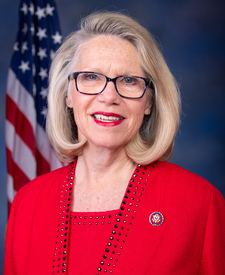
Legislative Progress
In CommitteeMr. Arrington (for himself, Mr. Vicente Gonzalez of Texas, Mr. …
Referred to the Committee on Energy and Commerce, and in …
Introduced in House
Stakeholder Effects
cui bono?How this legislation distributes effects. Mention counts reflect frequency, not effect magnitude.
Emergency physicians, Freestanding emergency centers, Hospitals
Bill Structure & Actor Mappings
Who is "The Secretary" in each section?
We use a combination of our own taxonomy and classification in addition to large language models to assess meaning and potential beneficiaries. High confidence means strong textual evidence. Always verify with the original bill text.
Learn more about our methodology