Weatherizing Infrastructure in the North and Terrorism Emergency Readiness Act of 2025
Summary
What This Bill Does
The Weatherizing Infrastructure in the North and Terrorism Emergency Readiness Act requires DHS to test domestic preparedness for a terrorist attack during extreme cold. DHS, through appropriate offices and components, must develop and conduct a collective response to terrorism exercise that includes cascading effects on critical infrastructure. The scenario must include an extreme cold event such as a polar vortex affecting access to critical services, cascading effects on critical infrastructure, mitigation of a successful terrorist attack by emergency managers, state officials, private-sector stakeholders, and community stakeholders, ways to bolster resilience of affected communities, coordination with federal departments and agencies plus state, local, Tribal, and territorial agencies, and coordination with private-sector and community stakeholders. Within 60 days after completing the exercise, DHS must submit an after-action report to House and Senate homeland security committees, protecting classified information, with initial findings, immediate and longer-term plans to incorporate lessons into DHS operations, and proposed legislative changes informed by the exercise.
Who Benefits and How
Northern communities vulnerable to extreme cold benefit from terrorism preparedness that accounts for polar vortex conditions and critical-service access. Emergency managers benefit from an exercise focused on mitigating cascading infrastructure effects after a terrorist attack. State officials benefit from required coordination in the scenario design and response planning. Critical infrastructure operators benefit from federal planning around cascading failures during extreme cold. Congressional homeland security committees benefit from a 60-day after-action report with findings, operational lessons, and legislative proposals.
Who Bears the Burden and How
DHS must design, conduct, and evaluate the terrorism exercise through appropriate offices and components. State agencies, local agencies, Tribal agencies, and territorial agencies must coordinate with DHS if included in the exercise. Private-sector critical infrastructure stakeholders may need to participate in scenario planning and response evaluation. DHS operational planners must incorporate exercise lessons into immediate and longer-term operations.
Key Provisions
- Requires a DHS terrorism-response exercise involving an extreme cold event such as a polar vortex.
- Requires the exercise to address cascading critical-infrastructure effects and access to critical services.
- Directs coordination with federal, state, local, Tribal, territorial, private-sector, and community stakeholders.
- Requires a classified-information-protected after-action report to Congress within 60 days.
- Requires the report to include findings, operational lessons, longer-term plans, and proposed legislative changes.
Evidence Chain:
This summary is generated from the full bill text using AI analysis. Expand "Detailed Analysis" below for identified beneficiaries/burden bearers with clause-level evidence links.
At a Glance
What This Bill Does
Requires DHS to conduct a terrorism-response exercise involving an extreme cold event, cascading critical-infrastructure failures, federal and state coordination, private-sector stakeholders, and a 60-day after-action report to Congress.
Key Policy Areas
Homeland Security, Emergency Management, Critical Infrastructure
Primary Purpose
Requires DHS to conduct a terrorism-response exercise involving an extreme cold event, cascading critical-infrastructure failures, federal and state coordination, private-sector stakeholders, and a 60-day after-action report to Congress.
Policy Domains
Resolution provisions
Identified Gains
- Northern communities vulnerable to extreme cold
- Emergency managers
- State officials
- Critical infrastructure operators
- Congressional homeland security committees
Identified Costs
- DHS
- State agencies
- Local agencies
- Tribal agencies
- Territorial agencies
- Private-sector critical infrastructure stakeholders
- DHS operational planners
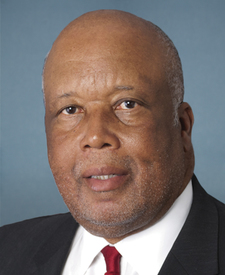
Sponsors

Legislative Progress
In CommitteeReferred to the Subcommittee on Emergency Management and Technology.
Referred to the Subcommittee on Counterterrorism and Intelligence.
Mr. Kennedy of New York (for himself and Mr. Thompson …
Referred to the House Committee on Homeland Security.
Introduced in House
Stakeholder Effects
cui bono?How this legislation distributes effects. Mention counts reflect frequency, not effect magnitude.
DHS, DHS operational planners, State officials
Positive-direction: State officials
Negative-direction: DHS, DHS operational planners
Emergency managers, Northern communities vulnerable to extreme cold
Critical infrastructure operators, Private-sector critical infrastructure stakeholders
Positive-direction: Critical infrastructure operators
Negative-direction: Private-sector critical infrastructure stakeholders
Bill Structure & Actor Mappings
Who is "The Secretary" in each section?
We use a combination of our own taxonomy and classification in addition to large language models to assess meaning and potential beneficiaries. High confidence means strong textual evidence. Always verify with the original bill text.
Learn more about our methodology