To require the Secretary of the Interior to conduct certain offshore lease sales, and for other purposes.
Analysis under review: This bill has generated analysis that may be too generic or incomplete. Clause-level evidence remains available below.
Summary
The BRIDGE Production Act of 2025 requires the Secretary of the Interior to conduct at least 26 new offshore oil and gas lease sales over 10 years: 20 in the Gulf of America and 6 in the Cook Inlet area of Alaska. Each Gulf sale must offer at least 80 million acres. The bill lowers the minimum offshore royalty rate from 16.67% to 12.5% and creates a pilot program offering a 10% royalty rate for the first 7 years if producers achieve first production within 3 years. Environmental reviews are streamlined by deeming existing biological opinions and impact statements sufficient. Endangered species protections for the Rice whale are explicitly exempted from applying to Gulf oil and gas operations. If the Secretary fails to hold a required lease sale, private bidders can sue in federal court, and the court can appoint a special master to oversee compliance.
Evidence Chain:
This summary is generated from the full bill text using AI analysis. Expand "Detailed Analysis" below for identified beneficiaries/burden bearers.
At a Glance
What This Bill Does
Mandate at least 26 new offshore oil and gas lease sales over 10 years in the Gulf of America and Cook Inlet, lower royalty rate floors, waive environmental review requirements, and establish judicial enforcement mechanisms to compel the Secretary of the Interior to hold lease sales on schedule.
Who Benefits
- Offshore oil and gas companies
- Energy industry (upstream exploration and production)
- Gulf Coast and Alaska energy economies
Who Bears Costs
- Environmental conservation organizations
- Marine wildlife (especially Rice whale)
- Federal government (reduced royalty revenue)
Key Policy Areas
{'domain': 'Energy', 'evidence': 'Requires minimum 20 Gulf of America and 6 Cook Inlet offshore lease sales over 10 years with mandatory minimum acreage offerings'}, {'domain': 'Environment', 'evidence': 'Deems existing environmental reviews sufficient for new lease sales, exempts Rice whale protections from offshore operations'}, {'domain': 'Tax', 'evidence': 'Lowers offshore royalty rate floor from 16.67% to 12.5% and creates a first-production incentive pilot with 10% royalty rate'}
Primary Purpose
Mandate at least 26 new offshore oil and gas lease sales over 10 years in the Gulf of America and Cook Inlet, lower royalty rate floors, waive environmental review requirements, and establish judicial enforcement mechanisms to compel the Secretary of the Interior to hold lease sales on schedule.
Policy Domains
Legislative Strategy
"Maximize offshore oil and gas production by mandating frequent large-scale lease sales, lowering royalty rates, exempting environmental protections, and creating judicial enforcement to prevent executive branch delay"
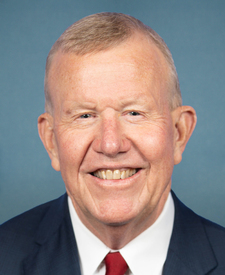
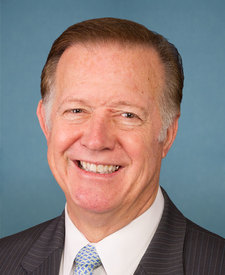
Sponsors


Legislative Progress
IntroducedMr. Ezell (for himself, Mr. Higgins of Louisiana, Mr. Weber …
Stakeholder Effects
cui bono?How this legislation distributes effects. Mention counts reflect frequency, not effect magnitude.
Offshore oil and gas companies, Oil and gas bidders
Department of the Interior, Federal government (royalty revenue), Secretary of the Interior
Endangered marine species (Rice whale), Environmental organizations
Bill Structure & Actor Mappings
Who is "The Secretary" in each section?
- "the_secretary"
- → Secretary of the Interior
- "the_secretary"
- → Secretary of the Interior
Key Definitions
Terms defined in this bill
An oil and gas lease sale held by the Secretary under the OCS Lands Act with specified lease terms and economic conditions
The date on which oil or gas is produced in paying quantities
We use a combination of our own taxonomy and classification in addition to large language models to assess meaning and potential beneficiaries. High confidence means strong textual evidence. Always verify with the original bill text.
Learn more about our methodology