SAFE Act of 2025
Summary
What This Bill Does
The SAFE Act of 2025 amends the Animal Health Protection Act so USDA can prepare export-market agreements before major animal disease outbreaks disrupt trade. The Secretary of Agriculture, acting through APHIS, the Under Secretary for Trade and Foreign Agricultural Affairs, and FSIS, and consulting with the United States Trade Representative, may negotiate in advance with governments that buy U.S. livestock animals or animal products. The negotiations can cover regionalization, zoning, compartmentalization, and other outbreak-management agreements for known animal disease threats of trade significance. The bill says those negotiations should take accepted global research advances into account. It also preserves USTR authority over trade agreements and does not require USTR to condition other trade agreements on animal disease export language.
Who Benefits and How
Livestock farmers benefit because advance regionalization or zoning agreements can keep unaffected regions selling during an outbreak. Meat manufacturers benefit if importing countries recognize compartmentalization rather than shutting down all U.S. product. Poultry manufacturers benefit from the same export-continuity protection for animal products. APHIS administrators benefit from clearer statutory authority to negotiate animal disease export protocols before emergencies. FSIS export staff benefit because food safety export officials can be part of advance market-access planning. Foreign buyers of U.S. animal products benefit from clearer outbreak-response terms based on accepted research.
Who Bears the Burden and How
USDA trade staff must coordinate APHIS, FSIS, trade officials, and USTR consultation before and during negotiations. USTR retains trade-agreement authority but must be consulted on advance disease-outbreak export arrangements. Importing-country governments must negotiate disease-risk terms before outbreaks if they want predictable U.S. market access. Livestock export managers still face foreign market closures if agreements are not reached or disease controls are not accepted.
Key Provisions
- Amends the Animal Health Protection Act to authorize advance animal disease export negotiations.
- Allows regionalization, zoning, compartmentalization, and similar agreements with key export markets.
- Requires negotiations to account for accepted global research advances where practicable.
- Preserves USTR authority and avoids conditioning unrelated trade agreements on the animal disease provisions.
Evidence Chain:
This summary is generated from the full bill text using AI analysis. Expand "Detailed Analysis" below for identified beneficiaries/burden bearers with clause-level evidence links.
At a Glance
What This Bill Does
Authorizes USDA, through APHIS, FSIS, and trade officials, to negotiate advance regionalization and compartmentalization agreements that protect U.S. livestock and animal-product exports during animal disease outbreaks.
Key Policy Areas
Agriculture, Trade, Animal Health
Primary Purpose
Authorizes USDA, through APHIS, FSIS, and trade officials, to negotiate advance regionalization and compartmentalization agreements that protect U.S. livestock and animal-product exports during animal disease outbreaks.
Policy Domains
Resolution provisions
Identified Gains
- Livestock farmers
- Meat manufacturers
- Poultry manufacturers
- APHIS administrators
- FSIS export staff
- Foreign buyers of U.S. animal products
Identified Costs
- USDA trade staff
- USTR
- Importing-country governments
- Livestock export managers without disease agreements
Sponsors
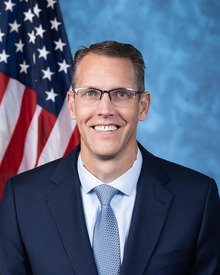

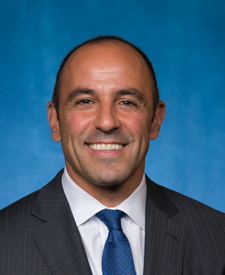
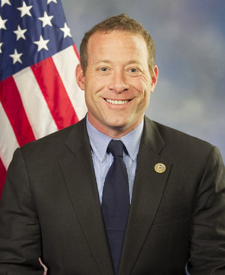
Legislative Progress
In CommitteeMr. Feenstra (for himself and Mr. Panetta) introduced the following …
Referred to the Committee on Agriculture, and in addition to …
Introduced in House
Stakeholder Effects
cui bono?How this legislation distributes effects. Mention counts reflect frequency, not effect magnitude.
APHIS administrators, FSIS export staff, Importing-country governments
Positive-direction: APHIS administrators, FSIS export staff
Negative-direction: Importing-country governments, USDA trade staff, USTR
Bill Structure & Actor Mappings
Who is "The Secretary" in each section?
We use a combination of our own taxonomy and classification in addition to large language models to assess meaning and potential beneficiaries. High confidence means strong textual evidence. Always verify with the original bill text.
Learn more about our methodology