Modernizing Government Technology Reform Act
Summary
What This Bill Does
The Modernizing Government Technology Reform Act rewrites core rules for the Technology Modernization Fund. It directs the Fund Administrator, following Technology Modernization Board recommendations, to use Fund money for agency IT acquisition, procurement, operation, or development when projects modernize, retire, or replace legacy systems; enhance cybersecurity and privacy; improve agency IT efficiency; or help agencies deliver services to the public. It limits funding to programs, projects, or activities that have not been denied or restricted by Congress and that will reimburse the Fund enough to keep it operational until the statutory sunset after December 31, 2032. It also requires written repayment terms, incremental funding tied to metric-based development milestones, suspension or termination when agencies submit fraudulent or misleading applications, and recurring inventories of high-risk legacy IT systems.
Who Benefits and How
Federal agencies with legacy IT systems benefit from a clarified funding path for modernization, replacement, cybersecurity, privacy, and service-delivery projects. Cybersecurity service providers, cloud service providers, and IT modernization contractors benefit from projects aimed at replacing obsolete systems and improving Federal cybersecurity. The Federal Chief Information Officer benefits from a formal Legacy Federal IT Inventory and a prioritized list of the 10 systems presenting the greatest security, privacy, and operational risks. Congressional oversight committees and the Comptroller General benefit from reports containing agency CIO lists, inventory updates, and prioritized high-risk systems.
Who Bears the Burden and How
Agency Chief Information Officers must identify high-risk legacy IT systems by September 30 deadlines and update those lists annually. Agency heads receiving Fund transfers must agree to repayment terms and provide information before incremental funding is released. The Fund Administrator and Technology Modernization Board must check congressional restrictions, monitor repayment, suspend or terminate projects with fraudulent or misleading statements, and document compelling circumstances for non-incremental transfers. The Director must issue implementation guidance within 180 days and report high-risk system lists within 14 days after compilation or updates.
Key Provisions
- Authorizes Technology Modernization Fund transfers for legacy IT replacement, cybersecurity and privacy improvements, efficiency gains, and public-service delivery.
- Requires Fund-supported programs, projects, or activities to be eligible under congressional restrictions and reimbursed enough to keep the Fund operational through sunset.
- Requires written repayment terms for agency transfers and services provided in direct support of projects.
- Requires incremental, milestone-based funding unless compelling circumstances are documented.
- Directs the Administrator to suspend or terminate projects with fraudulent or misleading application statements.
- Requires agency CIO legacy-system lists, a Federal CIO Legacy Federal IT Inventory, a top-10 high-risk systems list, and reports to Congress and GAO.
Evidence Chain:
This summary is generated from the full bill text using AI analysis. Expand "Detailed Analysis" below for identified beneficiaries/burden bearers with clause-level evidence links.
At a Glance
What This Bill Does
Reforms the Technology Modernization Fund by tightening eligible uses, requiring repayment terms that keep the Fund solvent through its 2032 sunset, limiting transfers to approved and nonrestricted projects, suspending projects with fraudulent or misleading applications, requiring milestone-based incremental funding, and creating a recurring legacy Federal IT inventory.
Key Policy Areas
Technology, Government Operations, Cybersecurity, Federal Procurement
Primary Purpose
Reforms the Technology Modernization Fund by tightening eligible uses, requiring repayment terms that keep the Fund solvent through its 2032 sunset, limiting transfers to approved and nonrestricted projects, suspending projects with fraudulent or misleading applications, requiring milestone-based incremental funding, and creating a recurring legacy Federal IT inventory.
Policy Domains
House resolution provisions
Identified Gains
- Federal agencies with legacy IT systems
- Cybersecurity service providers
- Cloud service providers
- IT modernization contractors
- Federal Chief Information Officer
- Congressional oversight committees
Identified Costs
- Agency Chief Information Officers
- Agency heads receiving Fund transfers
- Technology Modernization Fund Administrator
- Technology Modernization Board
- Director of the Office of Management and Budget
- Federal taxpayers
Sponsors


Legislative Progress
ReportedOrdered to be Reported (Amended) by the Yeas and Nays: …
Committee Consideration and Mark-up Session Held
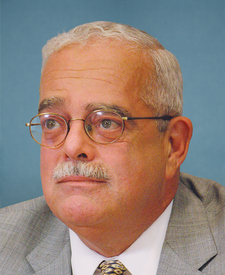
Ms. Mace (for herself and Mr. Connolly) introduced the following …
Referred to the House Committee on Oversight and Government Reform.
Introduced in House
Stakeholder Effects
cui bono?How this legislation distributes effects. Mention counts reflect frequency, not effect magnitude.
Agency Chief Information Officers, Comptroller General, Federal Chief Information Officer
Positive-direction: Federal agencies with legacy IT systems
Negative-direction: Agency Chief Information Officers, Comptroller General, Federal Chief Information Officer, Technology Modernization Fund Board
Cybersecurity service providers, IT modernization contractors
Bill Structure & Actor Mappings
Who is "The Secretary" in each section?
- "board"
- → Technology Modernization Board
- "director"
- → Director of the Office of Management and Budget
- "agency_cio"
- → Agency Chief Information Officers
- "federal_cio"
- → Federal Chief Information Officer
- "administrator"
- → Technology Modernization Fund Administrator
We use a combination of our own taxonomy and classification in addition to large language models to assess meaning and potential beneficiaries. High confidence means strong textual evidence. Always verify with the original bill text.
Learn more about our methodology