Hospital Adoption Education Act of 2025
Summary
What This Bill Does
The Hospital Adoption Education Act directs the Secretary of Health and Human Services to create and disseminate adoption resources for health care workers and to support adoption-sensitive education and professional development for care providers at hospitals and birthing centers. HHS must maintain an Administration for Children and Families adoption-resource webpage and develop resources through a committee that includes adoption education organizations, maternal health experts, child welfare experts, licensed social workers, hospital case managers, and adoption attorneys. HHS may provide education, professional development, and consultation directly or through grants or contracts to health care-based nonprofit education organizations that focus on adoption, use patient-centered models, do not place children, do not provide or refer for abortions, and have no vested interest in a pregnancy outcome. The bill requires annual reports from awardees, technical assistance, a 3-year HHS evaluation of hospital and provider uptake, and authorizes 5 million dollars for fiscal years 2026 through 2029.
Who Benefits and How
Hospital and birthing center care providers benefit because HHS must provide adoption-sensitive education, professional development, and consultation resources. Prospective birth mothers benefit from more objective and accessible adoption information in trusted health care settings. Potential adoptive families benefit if hospital and birthing center staff understand adoption processes and patient-centered care models. Adoption education nonprofit organizations benefit from eligibility for grants or contracts to deliver training and consultation.
Who Bears the Burden and How
The Department of Health and Human Services must create resources, maintain the ACF webpage, manage grants or contracts, provide technical assistance, evaluate implementation, and report to Congress. Hospitals and birthing centers must coordinate provider training and standardized adoption-sensitive policies if they participate. Grant or contract recipients must submit annual activity reports and cannot supplant existing funding. Federal taxpayers bear the 5 million dollar authorization cost.
Key Provisions
- Directs HHS to develop and disseminate adoption resources for health care workers.
- Creates an Administration for Children and Families webpage for adoption resources.
- Authorizes grants or contracts for provider education, professional development, and consultation at hospitals and birthing centers.
- Limits eligible awardees by excluding child-placing agencies, abortion providers or referral entities, and entities with vested pregnancy-outcome interests.
- Appropriates a 5 million dollar authorization for fiscal years 2026 through 2029.
Evidence Chain:
This summary is generated from the full bill text using AI analysis. Expand "Detailed Analysis" below for identified beneficiaries/burden bearers with clause-level evidence links.
At a Glance
What This Bill Does
Authorizes HHS to spend 5 million dollars from fiscal years 2026 through 2029 on adoption resources, provider education, grants or contracts, technical assistance, and evaluation for hospitals and birthing centers.
Key Policy Areas
Health Care, Child Welfare, Adoption
Primary Purpose
Authorizes HHS to spend 5 million dollars from fiscal years 2026 through 2029 on adoption resources, provider education, grants or contracts, technical assistance, and evaluation for hospitals and birthing centers.
Policy Domains
Resolution provisions
Identified Gains
- Hospital and birthing center care providers
- Prospective birth mothers
- Potential adoptive families
- Adoption education nonprofit organizations
Identified Costs
- Department of Health and Human Services
- Hospitals and birthing centers
- Grant or contract recipients
- Federal taxpayers
Sponsors


Legislative Progress
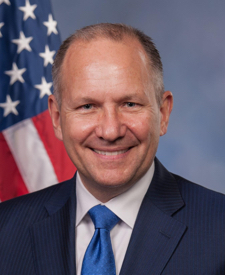
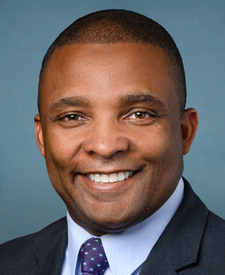
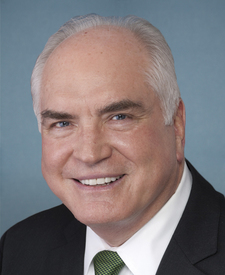
In CommitteeMr. Smucker (for himself, Mr. Davis of North Carolina, and …
Referred to the House Committee on Education and Workforce.
Introduced in House
Stakeholder Effects
cui bono?How this legislation distributes effects. Mention counts reflect frequency, not effect magnitude.
Bill Structure & Actor Mappings
Who is "The Secretary" in each section?
We use a combination of our own taxonomy and classification in addition to large language models to assess meaning and potential beneficiaries. High confidence means strong textual evidence. Always verify with the original bill text.
Learn more about our methodology