Continental Divide National Scenic Trail Completion Act
Summary
What This Bill Does
The Continental Divide National Scenic Trail Completion Act gives the Forest Service and Bureau of Land Management a concrete trail-completion mandate. Subject to appropriations, the Secretaries must seek to complete the Continental Divide National Scenic Trail as a continuous route within 10 years. Within one year they must establish a joint Forest Service-BLM Trail Completion Team, consult with affected federal agencies, State, Tribal, and local governments, landowners, land-grant mercedes owners and users, acequias, and other interested parties, and help develop a comprehensive plan. Within three years the Agriculture Secretary must complete a plan identifying trail gaps, willing-seller easement opportunities, site-specific development plans, and anticipated costs. The bill also encourages partnerships with volunteer and nonprofit organizations while making clear it does not create new land-acquisition authority or prioritize trail acquisition over other authorities.
Who Benefits and How
Continental Divide Trail users benefit because the bill pushes agencies toward a continuous route rather than leaving gaps unresolved. Volunteer and nonprofit trail organizations benefit because the Secretaries are directed to seek partnership agreements for completion and administration. Gateway communities benefit from more complete trail access and outdoor recreation activity. State, Tribal, and local governments benefit from required consultation during completion and plan development.
Who Bears the Burden and How
Forest Service trail managers must help create the completion team, consult affected parties, and complete the development plan. Bureau of Land Management staff must participate in the joint team and coordinate easements or route optimization on BLM-managed lands. Private landowners and acequia users may face consultation and negotiation around willing-seller easements or trail-route gaps. Federal taxpayers bear the planning and implementation costs if appropriations are provided.
Key Provisions
- Directs completion of the Continental Divide National Scenic Trail as a continuous route within 10 years, subject to appropriations.
- Creates a joint Forest Service-Bureau of Land Management Trail Completion Team within one year.
- Requires a comprehensive development plan within three years identifying gaps, easements, site-specific plans, and anticipated costs.
- Authorizes partnership agreements with volunteer and nonprofit organizations for trail completion and administration.
- Limits the bill by providing no new eminent-domain or land-acquisition authority.
Evidence Chain:
This summary is generated from the full bill text using AI analysis. Expand "Detailed Analysis" below for identified beneficiaries/burden bearers with clause-level evidence links.
At a Glance
What This Bill Does
Directs Agriculture and Interior to complete the Continental Divide National Scenic Trail as a continuous route within 10 years, create a joint Forest Service-BLM completion team, and produce a comprehensive development plan.
Key Policy Areas
Public Lands, Recreation, Outdoor Recreation
Primary Purpose
Directs Agriculture and Interior to complete the Continental Divide National Scenic Trail as a continuous route within 10 years, create a joint Forest Service-BLM completion team, and produce a comprehensive development plan.
Policy Domains
Resolution provisions
Identified Gains
- Continental Divide Trail users
- Volunteer and nonprofit trail organizations
- Gateway communities
- State, Tribal, and local governments
Identified Costs
- Forest Service trail managers
- Bureau of Land Management staff
- Private landowners
- Federal taxpayers
Sponsors

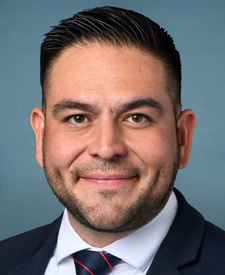

Legislative Progress
In CommitteeMr. Neguse (for himself and Ms. Leger Fernandez) introduced the …
Referred to the House Committee on Natural Resources.
Introduced in House
Stakeholder Effects
cui bono?How this legislation distributes effects. Mention counts reflect frequency, not effect magnitude.
Continental Divide Trail users, Volunteer and nonprofit trail organizations
Bureau of Land Management staff, Forest Service trail managers
Bill Structure & Actor Mappings
Who is "The Secretary" in each section?
We use a combination of our own taxonomy and classification in addition to large language models to assess meaning and potential beneficiaries. High confidence means strong textual evidence. Always verify with the original bill text.
Learn more about our methodology