Matthew Lawrence Perna Act of 2025
Summary
What This Bill Does
The Matthew Lawrence Perna Act changes several federal criminal-procedure and civil-remedy rules for political-protest cases. It bars detention under 18 U.S.C. 3142 for a person charged with a covered political protest offense that is not a crime of violence. It creates a damages action against the United States and federal officers for a defendant who was detained while charges were pending but was later acquitted or had charges dropped. It adds covered political offenses to the speedy-trial provision, adds malicious overprosecution to the Federal Tort Claims Act intentional-tort exception framework, restricts use of national-security authority against a United States citizen unless the person is intentionally acting as an agent of a foreign power or entity, removes certain FOIA exemptions for citizen requests about whether the United States surveilled or investigated them, and expresses Congress's view that covered political protest sentences should be consistent with the minimum guideline sentence.
Who Benefits and How
United States citizens charged in nonviolent political protest cases benefit because the bill creates a statutory bar on pretrial detention for covered offenses. U.S. district court defendants who are detained and later acquitted benefit because they can seek compensatory damages if charges are dropped or they are not convicted. Federal civil liberties litigators benefit from new statutory remedies and discovery leverage in detention, overprosecution, and surveillance disputes. United States citizens seeking FBI investigation records benefit because the bill narrows the government's ability to invoke FOIA exemptions for requests about their own surveillance or investigation status.
Who Bears the Burden and How
United States Attorneys lose leverage from detention motions and face damages exposure when covered detained cases end without conviction. Department of Justice National Security Division attorneys must screen citizen cases against the foreign-power-agent limitation before using covered authorities. Federal Bureau of Investigation National Security Branch offices must process more citizen requests about surveillance or investigation records. Federal taxpayers bear potential damages awards and litigation costs from the new remedies.
Key Provisions
- Prohibits pretrial detention for covered nonviolent political protest defendants.
- Creates a damages action for detained defendants who are acquitted or whose charges are dropped.
- Adds malicious overprosecution to the Federal Tort Claims Act remedy structure.
- Restricts use of national-security authority against citizens unless they intentionally act as foreign-power agents.
- Requires more disclosure for citizen requests about whether they were surveilled or investigated.
Evidence Chain:
This summary is generated from the full bill text using AI analysis. Expand "Detailed Analysis" below for identified beneficiaries/burden bearers with clause-level evidence links.
At a Glance
What This Bill Does
Limits pretrial detention and national-security authorities for nonviolent political protest cases, creates damages remedies for certain detained defendants and malicious overprosecution, expands citizen access to investigation records, and states a sentencing preference for minimum guideline sentences.
Key Policy Areas
Criminal Justice, Civil Liberties, Federal Courts
Primary Purpose
Limits pretrial detention and national-security authorities for nonviolent political protest cases, creates damages remedies for certain detained defendants and malicious overprosecution, expands citizen access to investigation records, and states a sentencing preference for minimum guideline sentences.
Policy Domains
Resolution provisions
Identified Gains
- United States citizens charged in nonviolent political protest cases
- U.S. district court defendants who are detained and later acquitted
- Federal civil liberties litigators
- United States citizens seeking FBI investigation records
Identified Costs
- United States Attorneys
- Department of Justice National Security Division attorneys
- Federal Bureau of Investigation National Security Branch offices
- Federal taxpayers
Sponsors
Legislative Progress
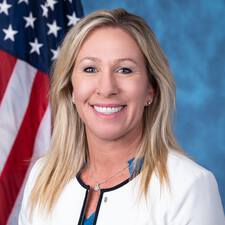
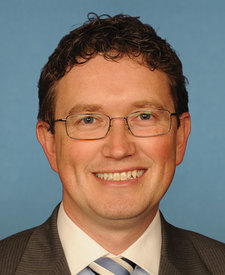
In CommitteeMs. Greene of Georgia (for herself and Mr. Massie) introduced …
Referred to the Committee on the Judiciary, and in addition …
Introduced in House
Stakeholder Effects
cui bono?How this legislation distributes effects. Mention counts reflect frequency, not effect magnitude.
Detained acquitted defendants, Nonviolent political protest defendants
DOJ national security attorneys, Federal prosecutors
Bill Structure & Actor Mappings
Who is "The Secretary" in each section?
We use a combination of our own taxonomy and classification in addition to large language models to assess meaning and potential beneficiaries. High confidence means strong textual evidence. Always verify with the original bill text.
Learn more about our methodology