Sunset Chevron Act
Summary
What This Bill Does
The Sunset Chevron Act responds to agency rules that survived court challenges because of Chevron deference. It defines Chevron deference as the doctrine from Chevron U.S.A. v. Natural Resources Defense Council, defines rule by the Administrative Procedure Act, and defines sunset date as the date on which a rule ceases to have force or effect. Within 180 days, the Comptroller General must compile and publish a list of federal court decisions that upheld a rule based on Chevron deference, were not later overturned, and relate to a rule still in effect. The list must be organized by agency in reverse chronological order of rule issuance. For each agency, the most recent listed rule receives a sunset date 30 days after the list is published, and each earlier listed rule sunsets 30 days after the preceding rule from that agency.
Who Benefits and How
Regulated businesses benefit because rules upheld only through Chevron deference would receive sunset dates and could lose force without replacement. Administrative law challengers benefit from a GAO-generated list identifying rules vulnerable under the bill's sunset schedule. Congressional oversight committees benefit from an agency-organized inventory of Chevron-upheld rules still in effect. Agencies seeking to preserve important rules benefit from advance notice of which rules require replacement, reenactment, or new justification.
Who Bears the Burden and How
The Government Accountability Office must identify qualifying court decisions, determine still-effective rules, organize the list, and assign sunset dates. Federal agencies must respond to staggered sunsets for rules that were upheld based on Chevron deference. Beneficiaries of existing regulations may lose protections when listed rules cease to have force or effect. Federal courts may face follow-on litigation over whether a rule was upheld based on Chevron deference or remains in effect.
Key Provisions
- Requires GAO to publish a list of federal court decisions upholding still-effective rules based on Chevron deference.
- Requires the list to be organized by rulemaking agency in reverse chronological order.
- Creates a sunset date 30 days after publication for each agency's most recent listed rule.
- Extends staggered 30-day sunset dates to each earlier listed rule from the same agency.
Evidence Chain:
This summary is generated from the full bill text using AI analysis. Expand "Detailed Analysis" below for identified beneficiaries/burden bearers with clause-level evidence links.
At a Glance
What This Bill Does
Requires GAO to list still-effective agency rules upheld by Chevron deference and assign staggered sunset dates beginning 30 days after publication of the list.
Key Policy Areas
Administrative Law, Regulation, Congressional Oversight
Primary Purpose
Requires GAO to list still-effective agency rules upheld by Chevron deference and assign staggered sunset dates beginning 30 days after publication of the list.
Policy Domains
Resolution provisions
Identified Gains
- Regulated businesses
- Administrative law challengers
- Congressional oversight committees
- Federal agencies preserving rules
Identified Costs
- Government Accountability Office
- Federal agencies
- Regulatory beneficiaries
- Federal courts
Sponsors




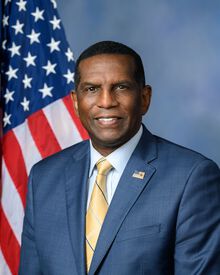
Legislative Progress
In CommitteeMr. Green of Tennessee (for himself, Mr. Biggs of Arizona, …
Referred to the Committee on the Judiciary, and in addition …
Introduced in House
Stakeholder Effects
cui bono?How this legislation distributes effects. Mention counts reflect frequency, not effect magnitude.
Federal agencies, Government Accountability Office
Bill Structure & Actor Mappings
Who is "The Secretary" in each section?
We use a combination of our own taxonomy and classification in addition to large language models to assess meaning and potential beneficiaries. High confidence means strong textual evidence. Always verify with the original bill text.
Learn more about our methodology