Pecos Watershed Protection Act
Summary
What This Bill Does
The Pecos Watershed Protection Act designates roughly 11,599 acres of Forest Service-managed land in New Mexico as the Thompson Peak Wilderness Area and adds it to the National Wilderness Preservation System. The Agriculture Secretary must file the map and legal description with Senate and House committees, keep them available for public inspection, and manage the area under the Wilderness Act subject to valid existing rights. The bill says the designation does not create a buffer zone around the wilderness and does not stop visible or audible nonwilderness activities outside the boundary. It preserves State jurisdiction over fish and wildlife management, allows continuation of preexisting livestock grazing under Wilderness Act guidelines, allows fire, insect, and disease control measures, adds later-acquired lands inside the boundary to the wilderness, and withdraws the area from public land entry, mining law location and patent, mineral and geothermal leasing, and mineral materials disposition.
Who Benefits and How
New Mexico conservation organizations benefit because the Thompson Peak area receives statutory wilderness protection. Hikers and backcountry users benefit from protection of wilderness character on roughly 11,599 acres. Pecos watershed communities benefit from reduced mining and mineral development risk in the designated area. State wildlife managers benefit because the bill preserves New Mexico fish and wildlife jurisdiction, including hunting, fishing, and trapping regulation.
Who Bears the Burden and How
The Forest Service must file maps, manage the wilderness under the Wilderness Act, and administer any later-acquired lands as part of the area. Mining companies bear the burden because the land is withdrawn from mining law location, entry, and patent. Geothermal developers bear the burden because the area is withdrawn from mineral and geothermal leasing. Livestock permit administrators must ensure any preexisting grazing continues only under the applicable Wilderness Act and committee-report guidelines.
Key Provisions
- Creates the approximately 11,599-acre Thompson Peak Wilderness Area in New Mexico.
- Adds the area to the National Wilderness Preservation System and requires Forest Service map filing.
- Protects State fish and wildlife authority, existing grazing, and fire, insect, and disease control discretion.
- Withdraws the wilderness area from public land disposal, mining laws, mineral leasing, geothermal leasing, and mineral materials disposition.
Evidence Chain:
This summary is generated from the full bill text using AI analysis. Expand "Detailed Analysis" below for identified beneficiaries/burden bearers with clause-level evidence links.
At a Glance
What This Bill Does
Designates approximately 11,599 Forest Service acres in New Mexico as the Thompson Peak Wilderness Area, adds it to the National Wilderness Preservation System, preserves existing grazing and State fish and wildlife authority, and withdraws it from mining and mineral leasing.
Key Policy Areas
Public Lands, Conservation, New Mexico
Primary Purpose
Designates approximately 11,599 Forest Service acres in New Mexico as the Thompson Peak Wilderness Area, adds it to the National Wilderness Preservation System, preserves existing grazing and State fish and wildlife authority, and withdraws it from mining and mineral leasing.
Policy Domains
Resolution provisions
Identified Gains
- New Mexico conservation organizations
- Backcountry users
- Pecos watershed communities
- State wildlife managers
Identified Costs
- Forest Service
- Mining companies
- Geothermal developers
- Livestock permit administrators
Sponsors
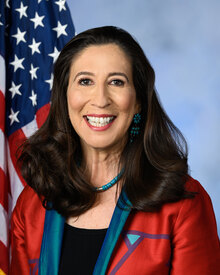

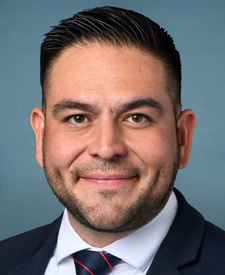

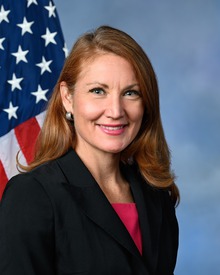
Legislative Progress
In CommitteeMs. Leger Fernandez (for herself and Ms. Stansbury) introduced the …
Referred to the House Committee on Natural Resources.
Introduced in House
Stakeholder Effects
cui bono?How this legislation distributes effects. Mention counts reflect frequency, not effect magnitude.
New Mexico conservation organizations, Pecos watershed communities
Bill Structure & Actor Mappings
Who is "The Secretary" in each section?
We use a combination of our own taxonomy and classification in addition to large language models to assess meaning and potential beneficiaries. High confidence means strong textual evidence. Always verify with the original bill text.
Learn more about our methodology