End Kidney Deaths Act
Summary
What This Bill Does
The End Kidney Deaths Act creates new Internal Revenue Code section 36C for non-directed living kidney donations. An individual who donates a kidney while alive without knowing the recipient or any connected organ recipient receives a $10,000 credit for the donation year and each of the next four years, totaling up to $50,000. If the donor dies during a credit year, that year's credit accelerates to the remaining amount needed to reach $50,000. Donations are treated as made when the kidney is removed, credits apply to kidneys removed after December 31, 2026, and no credit is allowed for donations after December 31, 2036. The bill also makes the credit refundable through existing tax payment authority and states that the credit is not valuable consideration under the National Organ Transplant Act.
Who Benefits and How
Non-directed living kidney donors benefit because they receive up to $50,000 in refundable tax credits over five years. Kidney transplant candidates benefit if the credit increases the number of available living donor kidneys. Transplant centers benefit from a clearer financial incentive for non-directed donors that does not violate valuable-consideration rules. Kidney disease advocacy organizations benefit from a policy tool aimed at reducing deaths on the transplant waiting list.
Who Bears the Burden and How
The Internal Revenue Service must administer eligibility, refundability, death acceleration, and sunset rules for the new credit. Federal taxpayers bear the cost of refundable credits for qualifying kidney donors. Transplant programs must verify non-directed living donation facts that support tax-credit eligibility. Bioethics oversight bodies must monitor whether the credit affects informed consent or donor pressure despite the statutory valuable-consideration carveout.
Key Provisions
- Creates a $10,000 annual tax credit for the donation year and four succeeding years for qualified non-directed living kidney donations.
- Provides death acceleration so a deceased donor's credit reaches the remaining portion of the $50,000 total.
- Limits the credit to kidneys removed after December 31, 2026, and before the end of 2036.
- Provides that the credit is not valuable consideration under the National Organ Transplant Act.
Evidence Chain:
This summary is generated from the full bill text using AI analysis. Expand "Detailed Analysis" below for identified beneficiaries/burden bearers with clause-level evidence links.
At a Glance
What This Bill Does
Creates a refundable $10,000-per-year tax credit for five years for qualified non-directed living kidney donors, accelerates the remaining credit if the donor dies, and excludes the credit from transplant-law valuable consideration.
Key Policy Areas
Tax, Health Care, Organ Donation
Primary Purpose
Creates a refundable $10,000-per-year tax credit for five years for qualified non-directed living kidney donors, accelerates the remaining credit if the donor dies, and excludes the credit from transplant-law valuable consideration.
Policy Domains
Resolution provisions
Identified Gains
- Non-directed living kidney donors
- Kidney transplant candidates
- Transplant centers
- Kidney disease advocacy organizations
Identified Costs
- Internal Revenue Service
- Federal taxpayers
- Transplant programs
- Bioethics oversight bodies
Sponsors

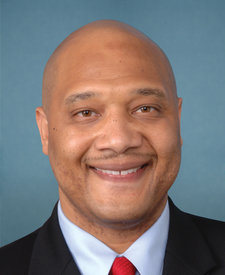



Legislative Progress
In CommitteeMs. Malliotakis (for herself and Mr. Harder of California) introduced …
Referred to the Committee on Ways and Means, and in …
Introduced in House
Stakeholder Effects
cui bono?How this legislation distributes effects. Mention counts reflect frequency, not effect magnitude.
Kidney transplant candidates, Non-directed living kidney donors, Transplant centers
Bill Structure & Actor Mappings
Who is "The Secretary" in each section?
We use a combination of our own taxonomy and classification in addition to large language models to assess meaning and potential beneficiaries. High confidence means strong textual evidence. Always verify with the original bill text.
Learn more about our methodology