Protecting Our Courts from Foreign Manipulation Act
Summary
What This Bill Does
The Protecting Our Courts from Foreign Manipulation Act of 2025 adds a new section 1660 to title 28 governing foreign third-party litigation funding in Federal civil actions. Parties or counsel of record must disclose to the court, other named parties, the Attorney General, and the Principal Deputy Assistant Attorney General for National Security the name, address, citizenship, country of incorporation, and contractual role of any foreign person, foreign state, sovereign wealth fund, or agent of a foreign principal that is funding the case. If the funding source is a foreign state or sovereign wealth fund, the court must stay the action until the court determines that the funder is no longer participating. The bill also requires the Attorney General to submit annual reports to House and Senate Judiciary Committees on foreign litigation funders, source countries, affected judicial districts, estimated funding amounts, and case subject matters.
Who Benefits and How
Federal courts benefit from visibility into foreign money behind civil litigation before cases proceed. Named parties benefit because disclosure lets them see whether an opposing party is backed by a foreign person, foreign state, sovereign wealth fund, or foreign principal. The Department of Justice National Security Division benefits from receiving funding disclosures that can reveal foreign influence in U.S. litigation. Congressional judiciary committees benefit from annual reports showing which foreign funders, countries, districts, dollar amounts, and case types are involved. U.S. businesses and litigants facing foreign-backed suits benefit when courts can pause cases funded by foreign states or sovereign wealth funds.
Who Bears the Burden and How
Foreign third-party litigation funders must be disclosed by name, address, citizenship or incorporation country, and contract terms. Foreign states and sovereign wealth funds bear the strongest burden because their participation can force a Federal civil action to be stayed until they exit the funding arrangement. Civil litigants using foreign funding and their counsel of record must collect and file the required information with the court, other parties, the Attorney General, and the National Security Division. The Department of Justice must receive disclosures and prepare annual reports to Congress. Courts must review disclosures and decide whether a stay is required.
Key Provisions
- Requires parties or counsel in Federal civil actions to disclose foreign third-party litigation funding to the court, other parties, DOJ, and the National Security Division.
- Requires disclosure of funder identity, address, citizenship or incorporation country, contract details, and funding amount.
- Bars foreign states and sovereign wealth funds from continuing as litigation funders by requiring a stay until their participation ends.
- Requires the Attorney General to report annually to House and Senate Judiciary Committees on foreign funders, source countries, judicial districts, estimated funding amounts, and case subjects.
Evidence Chain:
This summary is generated from the full bill text using AI analysis. Expand "Detailed Analysis" below for identified beneficiaries/burden bearers with clause-level evidence links.
At a Glance
What This Bill Does
Requires disclosure of foreign third-party litigation funding in Federal civil actions, blocks funding by foreign states and sovereign wealth funds unless their role ends, and requires annual Justice Department reports to Congress on foreign-funded litigation activity.
Key Policy Areas
Judiciary, National Security, Civil Litigation, Foreign Policy
Primary Purpose
Requires disclosure of foreign third-party litigation funding in Federal civil actions, blocks funding by foreign states and sovereign wealth funds unless their role ends, and requires annual Justice Department reports to Congress on foreign-funded litigation activity.
Policy Domains
House resolution provisions
Identified Gains
- Federal courts
- Named parties in civil actions
- Department of Justice National Security Division
- Congressional judiciary committees
- U.S. businesses facing foreign-backed suits
Identified Costs
- Foreign third-party litigation funders
- Foreign states funding litigation
- Sovereign wealth funds funding litigation
- Civil litigants using foreign funding
- Counsel of record in funded civil actions
- Department of Justice
Sponsors
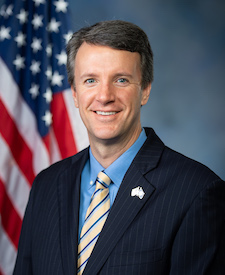

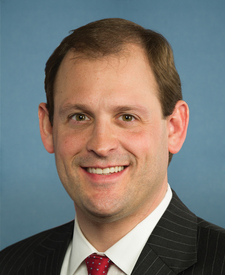
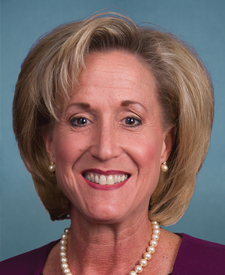
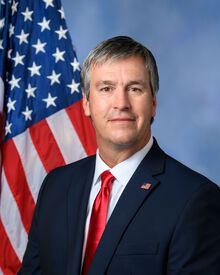
Legislative Progress
ReportedPlaced on the Union Calendar, Calendar No. 608.
Reported (Amended) by the Committee on Judiciary. H. Rept. 119-700.
Additional sponsors: Mr. Finstad, Mr. Wittman, Mr. Gill of Texas, …
Reported (Amended) by the Committee on Judiciary. H. Rept. 119-700.
Ordered to be Reported (Amended) by the Yeas and Nays: …
Committee Consideration and Mark-up Session Held
Committee Consideration and Mark-up Session Held
Introduced in House
Referred to the House Committee on the Judiciary.
Mr. Cline introduced the following bill; which was referred to …
Stakeholder Effects
cui bono?How this legislation distributes effects. Mention counts reflect frequency, not effect magnitude.
Civil litigants using foreign funding, Counsel of record in funded civil actions
Department of Justice, Department of Justice National Security Division
Positive-direction: Department of Justice National Security Division
Negative-direction: Department of Justice
Sovereign wealth funds funding litigation
Bill Structure & Actor Mappings
Who is "The Secretary" in each section?
- "federal_courts"
- → Federal courts
- "attorney_general"
- → Attorney General
- "national_security_division"
- → Principal Deputy Assistant Attorney General for National Security
We use a combination of our own taxonomy and classification in addition to large language models to assess meaning and potential beneficiaries. High confidence means strong textual evidence. Always verify with the original bill text.
Learn more about our methodology