Free Iraq from Iran Act
Analysis under review: This bill has generated analysis that may be too generic or incomplete. Clause-level evidence remains available below.
Summary
The Free Iraq from Iran Act requires the State Department, Treasury, and U.S. Agency for Global Media to develop a strategy within 180 days to support Iraqi people in countering Iranian influence and dismantling Iran-backed militias including the Popular Mobilization Forces (PMF). The bill mandates designation of 11 named Iran-backed militias as foreign terrorist organizations, prohibits all U.S. funding to support these groups, bars security assistance to the Iraqi government (with a presidential waiver if Iraq takes steps to remove Iranian militias), and imposes sanctions on named Iranian agents in Iraq including former PM Maliki and key military/judicial officials. It also bans Iraqi imports of Iranian LNG. The strategy includes intelligence, media, and civil society support components.
Evidence Chain:
This summary is generated from the full bill text using AI analysis. Expand "Detailed Analysis" below for identified beneficiaries/burden bearers.
At a Glance
What This Bill Does
Require an interagency strategy to counter Iranian influence in Iraq, designate Iran-backed militias as terrorist organizations, impose sanctions on Iranian agents in Iraq, prohibit U.S. security assistance to the Iraqi government, and ban Iraqi imports of Iranian liquefied natural gas.
Who Benefits
- Iraqi civil society and pro-democracy groups
- U.S. national security interests
- Independent Iraqi media
Who Bears Costs
- Iranian-backed militias in Iraq
- Named Iraqi officials allied with Iran
- Iraqi government (loss of U.S. security assistance)
Key Policy Areas
Foreign Policy, Defense
Primary Purpose
Require an interagency strategy to counter Iranian influence in Iraq, designate Iran-backed militias as terrorist organizations, impose sanctions on Iranian agents in Iraq, prohibit U.S. security assistance to the Iraqi government, and ban Iraqi imports of Iranian liquefied natural gas.
Policy Domains
Legislative Strategy
"Use comprehensive sanctions, funding prohibitions, and terrorist designations as leverage to force Iraq to sever ties with Iranian-backed armed groups"
Sponsors


Legislative Progress
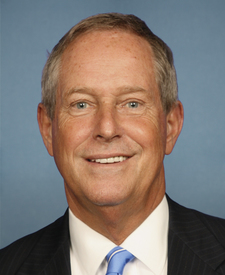
In CommitteeMr. Wilson of South Carolina (for himself and Mr. Panetta) …
Referred to the Committee on Foreign Affairs, and in addition …
Introduced in House
Stakeholder Effects
cui bono?How this legislation distributes effects. Mention counts reflect frequency, not effect magnitude.
Iran-backed militias in Iraq (PMF and others), Iranian regime, Iranian-backed militias in Iraq
Positive-direction: Iraqi civil society organizations, Iraqi pro-democracy movements
Negative-direction: Iran-backed militias in Iraq (PMF and others), Iranian regime, Iranian-backed militias in Iraq, Iraqi Federal Government, Named Iraqi officials allied with Iran (Maliki, al-Ameri, al-Araji, others)
Department of State and DOD, State Department, Treasury, USAGM, Treasury Department
Alternative LNG suppliers, Iranian natural gas exporters
Positive-direction: Alternative LNG suppliers
Negative-direction: Iranian natural gas exporters
We use a combination of our own taxonomy and classification in addition to large language models to assess meaning and potential beneficiaries. High confidence means strong textual evidence. Always verify with the original bill text.
Learn more about our methodology