Women in Agriculture Act
Summary
What This Bill Does
The Women in Agriculture Act builds several USDA supports around women farmers and ranchers. It requires USDA to establish a Women Farmers and Ranchers Liaison within 120 days to help women access USDA programs, advocate for women in department interactions, promote leadership opportunities, and publish annual data on grants, loans, loan guarantees, and cost-share programs reaching woman-owned agricultural operations. It also authorizes research and extension grants for ergonomically designed agricultural equipment for women and gives rural development loan and grant priority to qualified applicants addressing child care availability, quality, or cost in agricultural or rural communities.
Who Benefits and How
Women farmers and ranchers benefit from a dedicated USDA liaison who helps them understand, apply for, and navigate farm programs. Woman-owned agricultural operations benefit from annual reporting that makes USDA lending, grant, and cost-share access more visible by program. Agricultural equipment researchers benefit from explicit grant authority for machinery ergonomically designed for women. Rural child care providers benefit because qualified applicants addressing child care in agricultural or rural communities receive selection priority.
Who Bears the Burden and How
USDA must establish and staff the liaison, publish annual program-access reports, and support technical assistance. Farm Service Agency offices must provide data on grants, loans, loan guarantees, and cost-share awards to woman-owned operations. Natural Resources Conservation Service offices must report program participation and funding shares by woman-owned operations. Rural development program administrators must apply the new child care priority when selecting loan and grant recipients.
Key Provisions
- Creates a Women Farmers and Ranchers Liaison in USDA within 120 days.
- Requires annual public reporting on USDA grants, loans, loan guarantees, and cost-share programs reaching woman-owned agricultural operations.
- Authorizes research and extension grants for agriculture equipment ergonomically designed for women.
- Provides rural development loan and grant priority for projects addressing child care in agricultural or rural communities.
Evidence Chain:
This summary is generated from the full bill text using AI analysis. Expand "Detailed Analysis" below for identified beneficiaries/burden bearers with clause-level evidence links.
At a Glance
What This Bill Does
Creates a Women Farmers and Ranchers Liaison at USDA, adds women-focused agricultural research authority, and prioritizes rural development loans and grants for child care in agricultural and rural communities.
Key Policy Areas
Agriculture, Rural Development, Child Care
Primary Purpose
Creates a Women Farmers and Ranchers Liaison at USDA, adds women-focused agricultural research authority, and prioritizes rural development loans and grants for child care in agricultural and rural communities.
Policy Domains
Resolution provisions
Identified Gains
- Women farmers
- Woman-owned agricultural operations
- Agricultural equipment researchers
- Rural child care providers
Identified Costs
- USDA
- Farm Service Agency offices
- Natural Resources Conservation Service offices
- Rural development program administrators
Sponsors



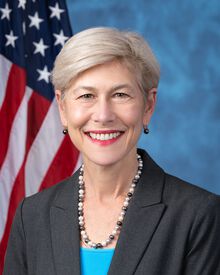

Legislative Progress
In CommitteeReferred to the Subcommittee on Conservation, Research, and Biotechnology.
Ms. Leger Fernandez (for herself, Mrs. Kiggans of Virginia, Ms. …
Referred to the House Committee on Agriculture.
Introduced in House
Stakeholder Effects
cui bono?How this legislation distributes effects. Mention counts reflect frequency, not effect magnitude.
Farm Service Agency offices, Natural Resources Conservation Service offices, USDA
Woman-owned agricultural operations, Women farmers
Bill Structure & Actor Mappings
Who is "The Secretary" in each section?
We use a combination of our own taxonomy and classification in addition to large language models to assess meaning and potential beneficiaries. High confidence means strong textual evidence. Always verify with the original bill text.
Learn more about our methodology