Stopping Indoctrination and Protecting Kids Act
Summary
What This Bill Does
The Stopping Indoctrination and Protecting Kids Act attaches new conditions to federal K-12 education funds. Public schools receiving Elementary and Secondary Education Act funds must obtain parental consent before changing a covered minor student's gender markers, pronouns, preferred name on school forms, or sex-based accommodations, including locker rooms or bathrooms. Covered students are elementary school students and students in the middle grades. The bill also amends ESEA section 8526 so federal ESEA funds may not be used to teach or advance concepts related to gender ideology, using the definition from Executive Order 14168.
Who Benefits and How
Parents of elementary school students benefit because schools must receive parental consent before changing listed gender-related school records or accommodations. Parents of middle grades students receive the same consent authority. Parent-rights advocacy organizations benefit from a federal funding condition that reinforces parental approval before schools change covered forms or sex-based accommodations. School districts that already require parental consent may benefit from clearer federal alignment with those policies.
Who Bears the Burden and How
Public elementary schools receiving ESEA funds must create or enforce parental-consent procedures before changing a minor student's gender markers, pronouns, preferred name, bathroom access, or locker-room access. Public middle schools receiving ESEA funds must comply with the same consent condition. School administrators managing student records must document consent and avoid unauthorized changes. Transgender students in elementary or middle grades may face barriers to name, pronoun, record, or accommodation changes without parental approval. Educators teaching gender-identity topics may be barred from using ESEA funds for concepts covered by the statutory prohibition.
Key Provisions
- Requires public schools receiving ESEA funds to obtain parental consent before changing covered students' gender markers, pronouns, or preferred names on school forms.
- Requires parental consent before changing sex-based accommodations, including bathrooms and locker rooms, for covered elementary or middle grades students.
- Defines covered student by reference to elementary school students and middle grades students under ESEA definitions.
- Prohibits use of ESEA funds to teach or advance concepts related to gender ideology as defined in Executive Order 14168.
Evidence Chain:
This summary is generated from the full bill text using AI analysis. Expand "Detailed Analysis" below for identified beneficiaries/burden bearers with clause-level evidence links.
At a Glance
What This Bill Does
Conditions Elementary and Secondary Education Act funding on public elementary and middle schools obtaining parental consent before changing a minor student's gender markers, pronouns, preferred name, or sex-based accommodations such as bathrooms or locker rooms, and amends ESEA section 8526 to prohibit use of ESEA funds to teach or advance concepts related to gender ideology as defined in Executive Order 14168.
Key Policy Areas
Education, Civil Rights, Federal Grants
Primary Purpose
Conditions Elementary and Secondary Education Act funding on public elementary and middle schools obtaining parental consent before changing a minor student's gender markers, pronouns, preferred name, or sex-based accommodations such as bathrooms or locker rooms, and amends ESEA section 8526 to prohibit use of ESEA funds to teach or advance concepts related to gender ideology as defined in Executive Order 14168.
Policy Domains
House resolution provisions
Identified Gains
- Parents of elementary school students
- Parents of middle grades students
- Parent-rights advocacy organizations
- School districts with parental-consent policies
Identified Costs
- Public elementary schools receiving ESEA funds
- Public middle schools receiving ESEA funds
- School administrators managing student records
- Transgender elementary school students
- Transgender middle grades students
- Educators teaching gender-identity topics
Sponsors

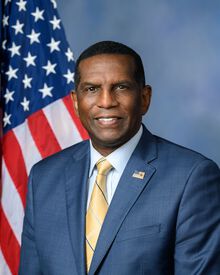



Legislative Progress
ReportedReceived; read twice and referred to the Committee on Health, …
Received in the Senate and Read twice and referred to …
Motion to reconsider laid on the table Agreed to without …
POSTPONED PROCEEDINGS - At the conclusion of debate on H.R. …
Passed/agreed to in House: On passage Passed by recorded vote: …
On passage Passed by recorded vote: 217 - 198 (Roll …
Motion to reconsider laid on the table Agreed to without …
On motion to recommit Failed by the Yeas and Nays: …
Considered as unfinished business. (consideration: CR H3660-3661)
Ms. Balint moved to recommit to the Committee on Education …
Stakeholder Effects
cui bono?How this legislation distributes effects. Mention counts reflect frequency, not effect magnitude.
Educators teaching gender-identity topics, Parents of elementary school students, Parents of middle grades students
Positive-direction: Parents of elementary school students, Parents of middle grades students, Parents seeking limits on gender-ideology instruction
Negative-direction: Educators teaching gender-identity topics, Public elementary schools receiving ESEA funds, Public middle schools receiving ESEA funds, School administrators managing student records, Transgender elementary school students, Transgender middle grades students
Bill Structure & Actor Mappings
Who is "The Secretary" in each section?
- "esea"
- → Elementary and Secondary Education Act
- "eo_14168"
- → Executive Order 14168
We use a combination of our own taxonomy and classification in addition to large language models to assess meaning and potential beneficiaries. High confidence means strong textual evidence. Always verify with the original bill text.
Learn more about our methodology