PEACE Act
Summary
What This Bill Does
The PEACE Act builds a State Department training and personnel-development structure around the Abraham Accords, the Egypt-Israel and Jordan-Israel peace agreements, and other normalization agreements with Israel. The Secretary of State may supplement Foreign Service Institute and other Department training with courses on diplomatic history, implementation strategies, and regional peace implications; create virtual modules and interactive content available worldwide to State employees and officers; and determine eligible countries aligned with the current diplomatic landscape. The Director General of the Foreign Service may award fellowships or grants to Foreign Service officers working with counterparts from Abraham Accords or other normalization countries, educational institutions, nongovernmental organizations, diplomatic organizations, and Middle East regional organizations. The Secretary must establish a four-member nonpartisan Abraham Accords and Normalization Advisory Board within 180 days, with members appointed by congressional foreign affairs leaders, to provide unanimous advice on curriculum, resource management, and strategic planning. The Secretary must submit a training strategy within one year and annual progress reports for four years after that.
Who Benefits and How
Foreign Service officers benefit from courses, virtual modules, fellowships, grants, and counterpart engagement focused on Israel normalization agreements. State Department regional bureaus benefit from a strategy for training personnel who work on Abraham Accords and other normalization countries. Educational institutions and nongovernmental organizations benefit because fellowships can support engagement with programs involved in negotiation and implementation. Israel normalization partners benefit from U.S. diplomats receiving structured training on diplomatic history, implementation strategies, and regional peace.
Who Bears the Burden and How
The Secretary of State must create training options, determine eligible countries, establish the advisory board, submit a strategy, and report annually. The Director General of the Foreign Service must administer fellowships or grants for qualifying Foreign Service officer activities. Advisory Board members must provide unanimous advice on curriculum, resource management, and strategic planning. State Department training facilities must incorporate Abraham Accords and normalization material into existing frameworks.
Key Provisions
- Authorizes Abraham Accords and normalization courses at the Foreign Service Institute and other State Department training facilities.
- Creates virtual modules and interactive content for State Department employees and officers worldwide.
- Authorizes fellowships or grants for Foreign Service officers engaging normalization-agreement counterparts and organizations.
- Requires a four-member advisory board, a one-year training strategy, and annual progress reports for four years.
Evidence Chain:
This summary is generated from the full bill text using AI analysis. Expand "Detailed Analysis" below for identified beneficiaries/burden bearers with clause-level evidence links.
At a Glance
What This Bill Does
Creates State Department Abraham Accords and normalization education, training, fellowship, advisory board, strategy, and annual reporting tools for Foreign Service and Department personnel working on Israel normalization agreements.
Key Policy Areas
Foreign Affairs, Diplomacy, Middle East
Primary Purpose
Creates State Department Abraham Accords and normalization education, training, fellowship, advisory board, strategy, and annual reporting tools for Foreign Service and Department personnel working on Israel normalization agreements.
Policy Domains
Resolution provisions
Identified Gains
- Foreign Service officers
- State Department regional bureaus
- Educational institutions
- Israel normalization partners
Identified Costs
- Secretary of State
- Director General of the Foreign Service
- Advisory Board members
- State Department training facilities
Sponsors
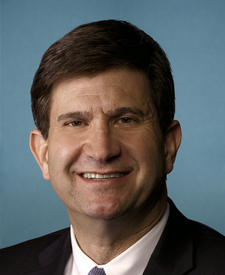


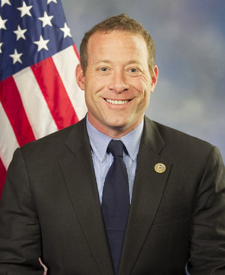
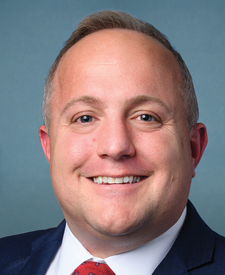
Legislative Progress
In CommitteeMr. Schneider (for himself and Mr. Hamadeh of Arizona) introduced …
Referred to the House Committee on Foreign Affairs.
Introduced in House
Stakeholder Effects
cui bono?How this legislation distributes effects. Mention counts reflect frequency, not effect magnitude.
Secretary of State, State Department training facilities
Bill Structure & Actor Mappings
Who is "The Secretary" in each section?
We use a combination of our own taxonomy and classification in addition to large language models to assess meaning and potential beneficiaries. High confidence means strong textual evidence. Always verify with the original bill text.
Learn more about our methodology