Seniors’ Access to Critical Medications Act of 2025
Summary
What This Bill Does
The bill requires exception to physician self-referral prohibition (Stark Law) for outpatient Part D prescription drugs dispensed by physician practices to Medicare beneficiaries, with safeguards including existing patient and provides reduction of Medicare Improvement Fund from $1,804,000,000 to $1,786,000,000, a decrease of $18 million used to offset costs of the Stark Law exception in Section 2. It relies on exemptions, reporting requirements, and appropriations. The main policy areas are Healthcare.
Who Benefits and How
Physician practices and group practices could gain revenue opportunities and Medicare beneficiaries (seniors) could face fewer barriers.
Who Bears the Burden and How
Medicare Improvement Fund could lose revenue opportunities and Independent and retail pharmacies could lose revenue opportunities.
Key Provisions
- Requires exception to physician self-referral prohibition (Stark Law) for outpatient Part D prescription drugs dispensed by physician practices to Medicare beneficiaries, with safeguards including existing patient...
- Provides reduction of Medicare Improvement Fund from $1,804,000,000 to $1,786,000,000, a decrease of $18 million used to offset costs of the Stark Law exception in Section 2.
Evidence Chain:
This summary is generated from the full bill text using AI analysis. Expand "Detailed Analysis" below for identified beneficiaries/burden bearers with clause-level evidence links.
At a Glance
What This Bill Does
The bill requires exception to physician self-referral prohibition (Stark Law) for outpatient Part D prescription drugs dispensed by physician practices to Medicare beneficiaries, with safeguards including existing patient and provides reduction of Medicare Improvement Fund from $1,804,000,000 to $1,786,000,000, a decrease of $18 million used to offset costs of the Stark Law exception in Section 2.
Key Policy Areas
Healthcare
Primary Purpose
The bill requires exception to physician self-referral prohibition (Stark Law) for outpatient Part D prescription drugs dispensed by physician practices to Medicare beneficiaries, with safeguards including existing patient and provides reduction of Medicare Improvement Fund from $1,804,000,000 to $1,786,000,000, a decrease of $18 million used to offset costs of the Stark Law exception in Section 2.
Policy Domains
Whole bill
Identified Gains
- Physician practices and group practices
- Medicare beneficiaries (seniors)
Identified Costs
- Medicare Improvement Fund
- Independent and retail pharmacies
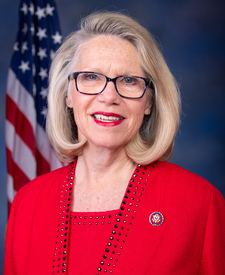
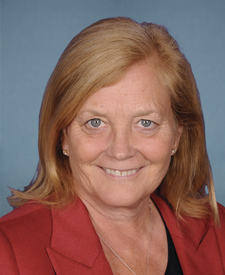
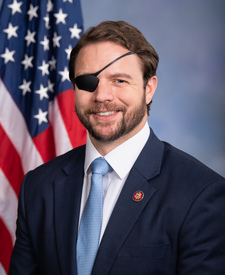
Sponsors


Legislative Progress
ReportedOrdered to be Reported by the Yeas and Nays: 38 …
Committee Consideration and Mark-up Session Held
Mrs. Harshbarger (for herself, Ms. Wasserman Schultz, Mrs. Miller of …
Referred to the Committee on Energy and Commerce, and in …
Introduced in House
Stakeholder Effects
cui bono?How this legislation distributes effects. Mention counts reflect frequency, not effect magnitude.
Bill Structure & Actor Mappings
Who is "The Secretary" in each section?
We use a combination of our own taxonomy and classification in addition to large language models to assess meaning and potential beneficiaries. High confidence means strong textual evidence. Always verify with the original bill text.
Learn more about our methodology