Abortion DOULAS Act
Summary
What This Bill Does
The Abortion DOULAS Act does not create a new Medicaid benefit directly. It directs the Secretary of Health and Human Services, with the Office of Minority Health and the Office on Women's Health as appropriate, to study abortion doula care and coverage. The study must assess patient well-being, quality of care, informational and logistical support, and availability across all states; collect anonymized surveys and interviews from patients, families, doulas, and providers; review academic literature; and consult reproductive health, maternal health, mental health, social work, rural, underserved-community, and community-based doula experts. HHS must report within 18 months with recommendations for access and State Medicaid plan or waiver approaches, including eligibility, covered services, payment models, and regulatory considerations.
Who Benefits and How
Abortion doulas benefit because the study gives their work federal recognition and a path toward Medicaid coverage recommendations. Patients seeking abortion care benefit if the study leads states to cover practical, informational, emotional, and culturally competent support services. State Medicaid programs benefit from federal analysis of how abortion doula benefits could be structured through state plans or waivers. Underserved and rural communities benefit because the bill requires attention to access barriers and community-based doula organizations.
Who Bears the Burden and How
HHS must conduct the study, collect sensitive but anonymized data, consult experts, and issue a public report within 18 months. State Medicaid officials may face pressure to consider abortion doula coverage, payment models, eligibility rules, and waiver changes. Health care providers and practicing doulas must spend time participating in surveys, interviews, or consultations if they contribute data. Opponents of abortion-related Medicaid coverage face a federal report designed to support policy development around abortion doula access.
Key Provisions
- Requires HHS to study abortion doula care, patient well-being, care quality, support roles, and availability in all states.
- Requires anonymized data collection from abortion-doula patients, family members, doulas, health care providers, and academic literature.
- Requires consultation with reproductive health, maternal health, mental health, social work, rural, underserved-community, and doula experts.
- Directs an 18-month public report with State Medicaid coverage recommendations for eligibility, covered services, and payment models.
Evidence Chain:
This summary is generated from the full bill text using AI analysis. Expand "Detailed Analysis" below for identified beneficiaries/burden bearers with clause-level evidence links.
At a Glance
What This Bill Does
Directs HHS to study abortion doula care and coverage, collect anonymized patient, doula, provider, and literature evidence, and report policy recommendations for Medicaid coverage and access.
Key Policy Areas
Health Care, Medicaid, Reproductive Health
Primary Purpose
Directs HHS to study abortion doula care and coverage, collect anonymized patient, doula, provider, and literature evidence, and report policy recommendations for Medicaid coverage and access.
Policy Domains
Resolution provisions
Identified Gains
- Abortion doulas
- Patients seeking abortion care
- State Medicaid programs
- Underserved and rural communities
Identified Costs
- Department of Health and Human Services
- State Medicaid officials
- Practicing doulas
- Opponents of abortion-related Medicaid coverage
Sponsors
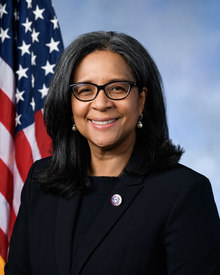
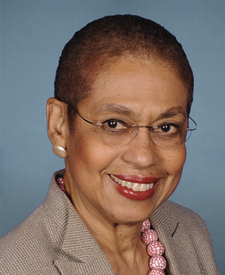
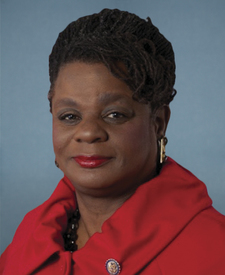
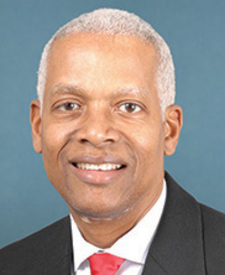
Legislative Progress
In CommitteeMs. Strickland (for herself and Ms. Moore of Wisconsin) introduced …
Referred to the House Committee on Energy and Commerce.
Introduced in House
Stakeholder Effects
cui bono?How this legislation distributes effects. Mention counts reflect frequency, not effect magnitude.
Bill Structure & Actor Mappings
Who is "The Secretary" in each section?
We use a combination of our own taxonomy and classification in addition to large language models to assess meaning and potential beneficiaries. High confidence means strong textual evidence. Always verify with the original bill text.
Learn more about our methodology