America's Red Rock Wilderness Act
Summary
What This Bill Does
America's Red Rock Wilderness Act designates large Utah public-land areas as components of the National Wilderness Preservation System. The protected areas include Great Basin locations such as Bald Eagle Mountain and the Wah Wah Mountains, Grand Staircase-Escalante areas, Glen Canyon side canyons such as Dirty Devil and Dark Canyon, San Juan and Cedar Mesa cultural landscapes, and Canyonlands Basin lands near Canyonlands National Park, Bears Ears National Monument, and the Green and Colorado Rivers. The bill also reserves enough federal water for each wilderness area, directs federal officials to protect those water rights, sets road setbacks so wilderness boundaries do not swallow roads, and allows livestock grazing authorized on enactment to continue under wilderness-compatible rules.
Who Benefits and How
Wilderness conservation organizations benefit because millions of acres of Utah red-rock country would receive the Wilderness Act's strongest development limits. Tribal cultural-resource advocates benefit because Cedar Mesa, San Juan, Bears Ears, and other landscapes with archaeological and ceremonial resources would receive stronger protection. Backcountry recreation users benefit from preserved roadless landscapes, canyon systems, natural arches, wildlife habitat, and scenic views near national parks and monuments. Federal land managers benefit from statutory boundary, water-right, road-setback, and grazing rules that guide long-term management.
Who Bears the Burden and How
Mining, oil, gas, and other extractive interests lose development opportunities in newly designated wilderness areas. Off-road vehicle users and road-development advocates face restricted motorized access in designated wilderness, subject to the bill's road setbacks. Bureau of Land Management and Forest Service offices must administer new wilderness units, water-right claims, maps, boundaries, and public-use rules. Livestock permittees keep existing grazing but must operate under reasonable regulations consistent with the Wilderness Act and Arizona Desert Wilderness Act grazing rules.
Key Provisions
- Adds Utah Great Basin, Grand Staircase-Escalante, Glen Canyon, San Juan, and Canyonlands Basin areas to the National Wilderness Preservation System.
- Directs federal land managers to administer the new wilderness units under the Wilderness Act.
- Requires federal officials to reserve and protect water rights sufficient for each wilderness area.
- Protects existing livestock grazing while requiring wilderness-compatible regulations and road setbacks.
Evidence Chain:
This summary is generated from the full bill text using AI analysis. Expand "Detailed Analysis" below for identified beneficiaries/burden bearers with clause-level evidence links.
At a Glance
What This Bill Does
Designates major public-land areas in Utah's Great Basin, Grand Staircase-Escalante, Glen Canyon, San Juan, and Canyonlands Basin regions as wilderness, reserves federal water rights, sets road setbacks, and preserves existing livestock grazing subject to wilderness rules.
Key Policy Areas
Public Lands, Environment, Water Rights
Primary Purpose
Designates major public-land areas in Utah's Great Basin, Grand Staircase-Escalante, Glen Canyon, San Juan, and Canyonlands Basin regions as wilderness, reserves federal water rights, sets road setbacks, and preserves existing livestock grazing subject to wilderness rules.
Policy Domains
Resolution provisions
Identified Gains
- Wilderness conservation organizations
- Tribal cultural-resource advocates
- Backcountry recreation users
- Federal land managers
Identified Costs
- Extractive industries
- Off-road vehicle users
- Bureau of Land Management offices
- Livestock permittees
Sponsors

Legislative Progress
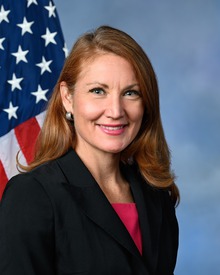
In CommitteeMs. Stansbury (for herself, Ms. Tlaib, Mr. Neal, Mr. Connolly, …
Referred to the House Committee on Natural Resources.
Introduced in House
Stakeholder Effects
cui bono?How this legislation distributes effects. Mention counts reflect frequency, not effect magnitude.
Bill Structure & Actor Mappings
Who is "The Secretary" in each section?
We use a combination of our own taxonomy and classification in addition to large language models to assess meaning and potential beneficiaries. High confidence means strong textual evidence. Always verify with the original bill text.
Learn more about our methodology