Stop Antisemitism on College Campuses Act
Summary
What This Bill Does
The Stop Antisemitism on College Campuses Act amends the Higher Education Act program participation agreement. Institutions participating in federal student aid would have to agree that they will not authorize, facilitate, provide funding for, or otherwise support any campus event promoting antisemitism. The bill incorporates the International Holocaust Remembrance Alliance working definition of antisemitism adopted May 26, 2016, including the contemporary examples cited by the Alliance. The enforcement lever is federal student aid eligibility rather than a direct criminal or civil cause of action.
Who Benefits and How
Jewish students benefit if colleges receiving federal student aid funds avoid sponsoring or supporting events that meet the IHRA antisemitism definition. Campus Jewish organizations benefit from a federal program-participation condition they can cite in disputes over university-funded events. Education Department student aid enforcement staff benefit from an explicit condition tied to campus antisemitism events. Civil rights complainants benefit from a defined standard for challenging institutional support for antisemitic events.
Who Bears the Burden and How
Colleges receiving federal student aid must screen campus event authorization, facilitation, and funding for IHRA-defined antisemitism. Campus event administrators must apply the IHRA working definition and examples when reviewing events. Student organizations accused of promoting antisemitism may lose institutional support or funding. Free-speech compliance offices must manage tensions between federal aid conditions, event policies, and protected expression.
Key Provisions
- Requires federal student aid institutions not to authorize, facilitate, fund, or support campus events promoting antisemitism.
- Uses the IHRA working definition of antisemitism adopted on May 26, 2016.
- Includes the IHRA contemporary examples of antisemitism in the covered definition.
- Adds the requirement to Higher Education Act program participation agreements.
Evidence Chain:
This summary is generated from the full bill text using AI analysis. Expand "Detailed Analysis" below for identified beneficiaries/burden bearers with clause-level evidence links.
At a Glance
What This Bill Does
Makes federal student aid program participation contingent on institutions not authorizing, facilitating, funding, or otherwise supporting campus events promoting antisemitism as defined by the IHRA working definition and examples.
Key Policy Areas
Higher Education, Civil Rights, Antisemitism
Primary Purpose
Makes federal student aid program participation contingent on institutions not authorizing, facilitating, funding, or otherwise supporting campus events promoting antisemitism as defined by the IHRA working definition and examples.
Policy Domains
Resolution provisions
Identified Gains
- Jewish students
- Campus Jewish organizations
- Education Department student aid enforcement staff
- Civil rights complainants
Identified Costs
- Colleges receiving federal student aid
- Campus event administrators
- Student organizations accused of antisemitism
- Free-speech compliance offices
Sponsors


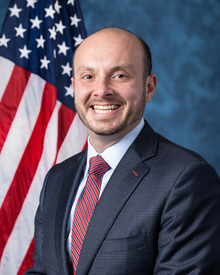

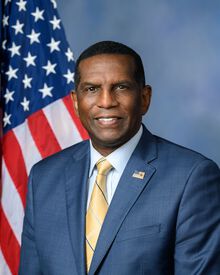
Legislative Progress
In CommitteeMr. Lawler (for himself, Mr. Fitzpatrick, Mr. Hamadeh of Arizona, …
Referred to the House Committee on Education and Workforce.
Introduced in House
Stakeholder Effects
cui bono?How this legislation distributes effects. Mention counts reflect frequency, not effect magnitude.
Campus Jewish organizations, Campus event administrators, Colleges receiving federal student aid
Positive-direction: Campus Jewish organizations, Jewish students
Negative-direction: Campus event administrators, Colleges receiving federal student aid
Education Department student aid enforcement staff
Bill Structure & Actor Mappings
Who is "The Secretary" in each section?
We use a combination of our own taxonomy and classification in addition to large language models to assess meaning and potential beneficiaries. High confidence means strong textual evidence. Always verify with the original bill text.
Learn more about our methodology