Federal Reserve Transparency Act of 2025
Summary
What This Bill Does
The Federal Reserve Transparency Act expands GAO audit authority over the Federal Reserve. It directs the Comptroller General to complete an audit of the Board of Governors and Federal reserve banks within 12 months after enactment and submit a detailed report with findings, conclusions, and recommendations within 90 days after the audit is completed. It removes the second sentence of 31 U.S.C. 714(b) and repeals subsection (f), provisions that limit GAO review of monetary policy deliberations, transactions with foreign central banks, Federal Open Market Committee operations, and certain emergency lending information. It also makes conforming changes to Federal Reserve Act disclosure language for emergency programs or facilities authorized under section 13(3).
Who Benefits and How
Members of Congress benefit from a mandatory GAO audit report on Federal Reserve Board and reserve bank activities. Federal Reserve transparency advocates benefit because the bill removes audit exclusions for sensitive monetary and emergency lending areas. Taxpayers concerned about emergency lending benefit from more congressional visibility into Federal Reserve programs and facilities. GAO auditors benefit from expanded statutory authority to examine Federal Reserve operations.
Who Bears the Burden and How
Federal Reserve Board staff must provide information and respond to a broader GAO audit. Federal reserve bank staff must support audit access and documentation requests. Federal Open Market Committee participants may face outside audit review of areas previously protected by statutory carveouts. GAO audit teams must complete a complex central-bank audit within 12 months and report within 90 days after completion.
Key Provisions
- Requires the Comptroller General to complete an audit of the Federal Reserve Board and Federal reserve banks within 12 months.
- Requires a congressional report within 90 days after the audit is completed, including findings, conclusions, and recommendations.
- Repeals or amends statutory language that limited GAO audits of monetary policy, FOMC, foreign central bank, and emergency lending matters.
- Updates Federal Reserve Act emergency-program disclosure language to conform to the expanded audit authority.
Evidence Chain:
This summary is generated from the full bill text using AI analysis. Expand "Detailed Analysis" below for identified beneficiaries/burden bearers with clause-level evidence links.
At a Glance
What This Bill Does
Requires GAO to audit the Federal Reserve Board and Federal reserve banks within 12 months, report to Congress within 90 days after completion, and repeals statutory limits that shield monetary policy and emergency lending matters from GAO audit access.
Key Policy Areas
Monetary Policy, Oversight, Banking
Primary Purpose
Requires GAO to audit the Federal Reserve Board and Federal reserve banks within 12 months, report to Congress within 90 days after completion, and repeals statutory limits that shield monetary policy and emergency lending matters from GAO audit access.
Policy Domains
Resolution provisions
Identified Gains
- Members of Congress
- Federal Reserve transparency advocates
- Taxpayers concerned about emergency lending
- GAO auditors
Identified Costs
- Federal Reserve Board staff
- Federal reserve bank staff
- Federal Open Market Committee participants
- GAO audit teams
Sponsors




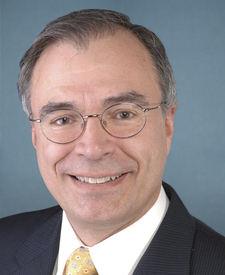
Legislative Progress
In CommitteeMr. Massie (for himself, Mr. Biggs of Arizona, Ms. Boebert, …
Referred to the House Committee on Oversight and Government Reform.
Introduced in House
Stakeholder Effects
cui bono?How this legislation distributes effects. Mention counts reflect frequency, not effect magnitude.
FOMC participants, Federal Reserve Board staff, GAO auditors
Bill Structure & Actor Mappings
Who is "The Secretary" in each section?
We use a combination of our own taxonomy and classification in addition to large language models to assess meaning and potential beneficiaries. High confidence means strong textual evidence. Always verify with the original bill text.
Learn more about our methodology