American Families United Act
Summary
What This Bill Does
The American Families United Act creates discretionary immigration relief for immediate family members of United States citizens. It preserves case-by-case discretion and does not create automatic relief. The Attorney General may terminate removal proceedings, decline removal, allow reapplication for admission, or waive certain inadmissibility or deportability grounds for a spouse or child of a U.S. citizen when removal or denial of relief would cause hardship to the citizen spouse, parent, or child, with a presumption that family separation is hardship. DHS receives parallel discretion to waive certain grounds, decline notices to appear, decline reinstatement of removal, or grant reapplication or other immigration benefits. Surviving spouses and children of deceased citizens may seek relief within two years or later with extraordinary circumstances. The bill excludes people inadmissible or deportable on covered criminal, security, trafficking, child abduction, and unlawful voting grounds, and allows motions to reopen or reconsider within two years if the case would have been favorable under the new law.
Who Benefits and How
Spouses of United States citizens benefit because removal or benefit denial can be waived when it would cause hardship to the citizen family. Children of United States citizens benefit because family separation is presumed to be hardship in case-by-case discretionary decisions. Surviving immigrant spouses benefit from a two-year window, plus extraordinary-circumstance flexibility, after the death of the citizen spouse. Mixed-status families benefit from motions to reopen or reconsider old denials or removal orders that would have been decided differently under the Act.
Who Bears the Burden and How
DHS adjudicators must make case-by-case hardship and exclusion determinations before waiving inadmissibility, declining notices to appear, or granting reapplication. Immigration judges must decide whether to terminate proceedings, decline removal, waive grounds, or grant motions to reopen under the new standards. Government attorneys must litigate hardship, family-separation presumptions, exclusions, and reopening deadlines. Immigration enforcement offices lose mandatory leverage in covered family cases where discretionary relief is available.
Key Provisions
- Provides case-by-case Attorney General discretion for removal and inadmissibility relief involving spouses or children of United States citizens.
- Provides parallel DHS discretion to waive certain grounds, decline notices to appear, decline reinstatement, and grant reapplication or benefits.
- Creates a presumption that family separation constitutes hardship to a United States citizen spouse, parent, or child.
- Extends relief to certain surviving spouses and children of deceased United States citizens within two years or with extraordinary circumstances.
- Allows motions to reopen or reconsider within two years when a prior denial or removal order would have been favorable under the Act.
Evidence Chain:
This summary is generated from the full bill text using AI analysis. Expand "Detailed Analysis" below for identified beneficiaries/burden bearers with clause-level evidence links.
At a Glance
What This Bill Does
Gives DHS and immigration judges case-by-case discretion to waive removal, inadmissibility, deportability, notices to appear, reinstatement, and reapplication barriers for spouses and children of United States citizens when family separation or denial of relief would cause hardship, with exclusions for serious criminal, security, trafficking, and related grounds.
Key Policy Areas
Immigration, Family, Civil Rights
Primary Purpose
Gives DHS and immigration judges case-by-case discretion to waive removal, inadmissibility, deportability, notices to appear, reinstatement, and reapplication barriers for spouses and children of United States citizens when family separation or denial of relief would cause hardship, with exclusions for serious criminal, security, trafficking, and related grounds.
Policy Domains
Resolution provisions
Identified Gains
- Spouses of United States citizens
- Children of United States citizens
- Surviving immigrant spouses
- Mixed-status families
Identified Costs
- DHS adjudicators
- Immigration judges
- Government attorneys
- Immigration enforcement offices
Sponsors


Legislative Progress
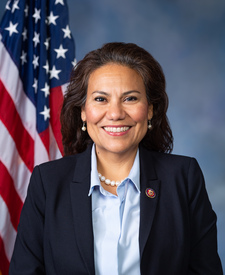
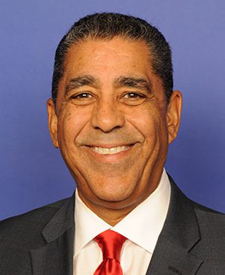
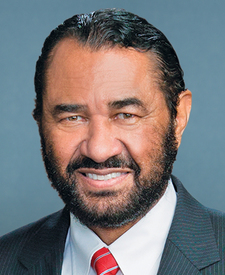
In CommitteeMs. Escobar (for herself, Ms. Salazar, Mr. Tonko, Mr. Espaillat, …
Referred to the House Committee on the Judiciary.
Introduced in House
Stakeholder Effects
cui bono?How this legislation distributes effects. Mention counts reflect frequency, not effect magnitude.
Children of United States citizens, Mixed-status families, Spouses of United States citizens
DHS adjudicators, Immigration enforcement offices, Immigration judges
Bill Structure & Actor Mappings
Who is "The Secretary" in each section?
We use a combination of our own taxonomy and classification in addition to large language models to assess meaning and potential beneficiaries. High confidence means strong textual evidence. Always verify with the original bill text.
Learn more about our methodology