To research the impact of obstructions on radar detection and prediction capabilities, and for other purposes.
Analysis under review: This bill has generated analysis that may be too generic or incomplete. Clause-level evidence remains available below.
Summary
What This Bill Does
This bill, To research the impact of obstructions on radar detection and prediction capabilities, and for other purposes., changes federal law or congressional policy affecting technology companies and users of digital services. The main policy domain is Technology, Government Operations, Energy.
Who Benefits and How
technology companies and users of digital services may benefit from new authority, funding, eligibility, regulatory clarity, or reduced risk created by the bill.
Who Bears the Burden and How
federal implementing agencies, technology companies and users of digital services may take on implementation duties, reporting obligations, compliance costs, or oversight responsibilities.
Key Provisions
- Section H205A6ED52DE445E29CE014C75A9484EE: 1. Short title This Act may be cited as the Weather Innovation for the Next Generation Act of 2025 or the WING Act of 2025.
- Section HA450A32C70AB4556B530C2890D65499B: 2. Radar obstruction Research, Development, Test, and Evaluation Program The Director of the National Weather Service, in coordination with the Assistant...
Evidence Chain:
This summary is generated from the full bill text using AI analysis. Expand "Detailed Analysis" below for identified beneficiaries/burden bearers with clause-level evidence links.
At a Glance
What This Bill Does
This bill, To research the impact of obstructions on radar detection and prediction capabilities, and for other purposes., changes federal law or congressional policy affecting technology companies and users of digital services.
Key Policy Areas
Technology, Government Operations, Energy
Primary Purpose
This bill, To research the impact of obstructions on radar detection and prediction capabilities, and for other purposes., changes federal law or congressional policy affecting technology companies and users of digital services.
Policy Domains
Whole bill
Identified Gains
- technology companies and users of digital services
Identified Costs
- federal implementing agencies
- technology companies and users of digital services
Sponsors



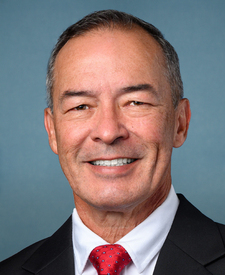

Legislative Progress
IntroducedMr. Feenstra (for himself, Mrs. Bice, Mr. Neguse, Mr. Haridopolos, …
Impact analysis is available but no clear stakeholder effects identified. View clause-level analysis →
Bill Structure & Actor Mappings
Who is "The Secretary" in each section?
- "federal_implementing_agencies"
- → Federal agencies assigned duties by the bill
Key Definitions
Terms defined in this bill
radar signal reflectivity or velocity return errors in radar data due to the close proximity of an obstruction. The term obstruction includes— a wind turbine that could limit the effectiveness of a weather radar system
We use a combination of our own taxonomy and classification in addition to large language models to assess meaning and potential beneficiaries. High confidence means strong textual evidence. Always verify with the original bill text.
Learn more about our methodology