Puppy Protection Act of 2025
Summary
What This Bill Does
The Puppy Protection Act writes specific dog-care requirements into the Animal Welfare Act for dealers. Dealers must provide solid flooring, enough indoor space for the tallest dog to stand on hind legs, minimum floor space based on dog length, no stacked enclosures, and temperature control between 45 and 85 degrees Fahrenheit when dogs are present. Dogs must receive nutritious food at least twice daily unless a veterinarian directs fasting, continuous clean potable water, outdoor exercise access for dogs over 12 weeks unless a veterinarian prescribes an alternative plan, at least 30 minutes of meaningful human and compatible-dog socialization daily, and veterinary care including prompt treatment, annual hands-on exams, basic dental exams, core vaccinations, and parasite prevention. Breeding rules require inherited-disease screening, veterinary pre-breeding screening, no more than two litters in 25 months or six lifetime litters, age limits for small and large female dogs, and veterinarian-performed caesarian sections. Dealers must house dogs with other dogs unless unsafe and make reasonable efforts to place retired breeding dogs humanely rather than selling them at auction or to another breeder. USDA must issue final regulations within 18 months.
Who Benefits and How
Dogs held by commercial dealers benefit from stronger housing, exercise, socialization, veterinary care, and breeding standards. Consumers buying puppies benefit from healthier breeding practices and recordkeeping that can reduce disease and inherited-condition risks. Animal welfare organizations benefit because statutory standards target common puppy-mill practices such as stacked cages and overbreeding. Rescue organizations benefit from humane-placement requirements for retired breeding dogs.
Who Bears the Burden and How
Dog dealers must upgrade housing, flooring, space, temperature control, feeding, water, exercise, socialization, veterinary care, breeding, and retirement-placement practices. Commercial breeders face limits on litters, breeding ages, inherited-disease screening, and auction placement of retired breeding dogs. USDA Animal and Plant Health Inspection Service staff must issue final regulations within 18 months and enforce the new standards. Licensed veterinarians must provide certifications, annual exams, breeding screenings, caesarian sections, and alternative exercise plans where needed.
Key Provisions
- Requires solid flooring, minimum enclosure space, no stacked cages, and 45 to 85 degree temperature control for dealer dogs.
- Requires twice-daily feeding, clean water, outdoor exercise, daily socialization, and detailed veterinary care.
- Limits breeding frequency, age ranges, inherited-disease risk, and caesarian-section practices.
- Requires group housing when safe and humane placement for retired breeding dogs.
- Directs USDA to issue final dog-care regulations for dealers within 18 months.
Evidence Chain:
This summary is generated from the full bill text using AI analysis. Expand "Detailed Analysis" below for identified beneficiaries/burden bearers with clause-level evidence links.
At a Glance
What This Bill Does
Adds detailed Animal Welfare Act care standards for dog dealers, including solid flooring, enclosure space, temperature limits, twice-daily feeding, clean water, exercise, daily socialization, veterinary care, breeding limits, group housing, humane placement of retired breeding dogs, and USDA final regulations within 18 months.
Key Policy Areas
Animal Welfare, Agriculture, Pet Breeding, USDA
Primary Purpose
Adds detailed Animal Welfare Act care standards for dog dealers, including solid flooring, enclosure space, temperature limits, twice-daily feeding, clean water, exercise, daily socialization, veterinary care, breeding limits, group housing, humane placement of retired breeding dogs, and USDA final regulations within 18 months.
Policy Domains
Resolution provisions
Identified Gains
- Dogs held by commercial dealers
- Consumers buying puppies
- Animal welfare organizations
- Rescue organizations
Identified Costs
- Dog dealers
- Commercial breeders
- USDA APHIS staff
- Licensed veterinarians
Sponsors

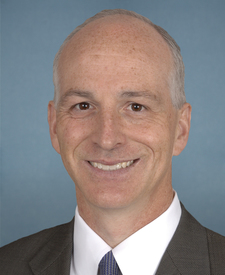
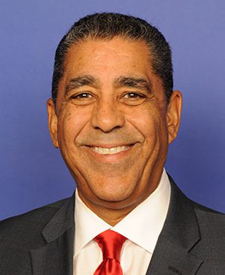
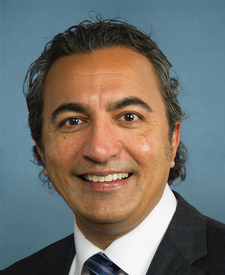

Legislative Progress
In CommitteeReferred to the Subcommittee on Livestock, Dairy, and Poultry.
Mr. Fitzpatrick (for himself, Mr. McGovern, Mr. Reschenthaler, and Mr. …
Referred to the House Committee on Agriculture.
Introduced in House
Stakeholder Effects
cui bono?How this legislation distributes effects. Mention counts reflect frequency, not effect magnitude.
Dogs held by commercial dealers, Rescue organizations
Bill Structure & Actor Mappings
Who is "The Secretary" in each section?
We use a combination of our own taxonomy and classification in addition to large language models to assess meaning and potential beneficiaries. High confidence means strong textual evidence. Always verify with the original bill text.
Learn more about our methodology