Sustainable Budget Act of 2025
Summary
What This Bill Does
The Sustainable Budget Act creates a legislative-branch National Commission on Fiscal Responsibility and Reform within 30 days. The 18-member commission includes six presidential appointees, three senators appointed by the Senate majority leader, three House members appointed by the Speaker, three senators appointed by the Senate minority leader, and three House members appointed by the House minority leader. It must identify policies to improve medium-term fiscal conditions, balance the budget excluding interest within 10 years, stabilize the debt-to-GDP ratio, and improve the long-term fiscal outlook including entitlement spending and the revenue-spending gap. A final report requires at least 12 votes, including bipartisan support from at least four members aligned with each House party leader, and must be public. GAO, CBO, and Joint Committee on Taxation leaders provide technical assistance. After a report, the President must consult relevant committees, send Congress a special message and proposed joint resolution within 60 days, identify included and excluded recommendations, and publish the package. The bill then creates expedited procedures for a Commission joint resolution, including committee reporting deadlines, discharge, waived points of order, limited debate, no amendments, and veto-message procedures.
Who Benefits and How
Fiscal hawks benefit because the commission is designed to force recommendations on debt, deficits, entitlement growth, and the revenue-spending gap. Congressional budget committees benefit from a structured bipartisan report and expedited floor process for fiscal legislation. The President benefits from a formal vehicle to package commission recommendations into a joint resolution after consulting committees. Public budget watchdog organizations benefit from public reports, attendance records, website disclosures, and special-message publication.
Who Bears the Burden and How
Commission members must hold hearings, collect evidence, vote on reports, and reach a 12-member bipartisan approval threshold. The President must consult relevant committee leaders and transmit a proposed implementation joint resolution within 60 days after a report. GAO staff, CBO analysts, and Joint Committee on Taxation staff must provide technical assistance. Federal agencies must provide information requested by the commission. Entitlement program beneficiaries and federal program recipients may face policy risk if recommendations target spending growth or program consolidation.
Key Provisions
- Creates an 18-member National Commission on Fiscal Responsibility and Reform within the legislative branch.
- Requires recommendations to balance the noninterest budget within 10 years and improve long-term fiscal sustainability.
- Requires a bipartisan 12-member vote for commission reports and public posting of reports and attendance records.
- Directs the President to send Congress a special message and proposed joint resolution within 60 days after a commission report.
- Provides expedited House and Senate procedures with no amendments for a Commission joint resolution.
Evidence Chain:
This summary is generated from the full bill text using AI analysis. Expand "Detailed Analysis" below for identified beneficiaries/burden bearers with clause-level evidence links.
At a Glance
What This Bill Does
Creates an 18-member National Commission on Fiscal Responsibility and Reform to propose budget-balancing and long-term fiscal recommendations, then requires a presidential implementation joint resolution and expedited House and Senate procedures for that resolution.
Key Policy Areas
Budget, Congress, Fiscal Policy
Primary Purpose
Creates an 18-member National Commission on Fiscal Responsibility and Reform to propose budget-balancing and long-term fiscal recommendations, then requires a presidential implementation joint resolution and expedited House and Senate procedures for that resolution.
Policy Domains
Resolution provisions
Identified Gains
- Fiscal watchdog organizations
- Congressional budget committees
- President of the United States
- Public budget researchers
Identified Costs
- Commission members
- GAO staff
- CBO analysts
- Federal agencies
- Entitlement program beneficiaries
Sponsors
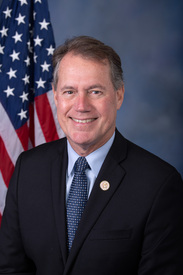


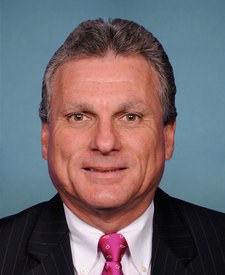
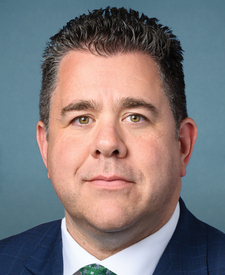
Legislative Progress
In CommitteeMr. Case (for himself, Mr. Womack, Mr. Peters, and Mr. …
Referred to the Committee on the Budget, and in addition …
Introduced in House
Stakeholder Effects
cui bono?How this legislation distributes effects. Mention counts reflect frequency, not effect magnitude.
Commission members, Congressional budget committees, Federal agencies
Bill Structure & Actor Mappings
Who is "The Secretary" in each section?
We use a combination of our own taxonomy and classification in addition to large language models to assess meaning and potential beneficiaries. High confidence means strong textual evidence. Always verify with the original bill text.
Learn more about our methodology