Medical Supply Chain Resiliency Act
Summary
What This Bill Does
The Medical Supply Chain Resiliency Act creates a trade-agreement framework for medical goods after COVID-19 supply disruptions. It covers medical devices, pharmaceutical goods, and inputs, and lets the President negotiate trusted trade partner agreements when reciprocal elimination of duties or import restrictions would contribute to U.S. national security and public health. Before negotiation, the President must consider whether a country supports global health security, maintains open medical-goods trade during emergencies, honors free trade commitments, reduces trade barriers, protects intellectual property, follows rule-of-law principles, and promotes good regulatory practices. Agreements may reduce duties, expand supplier networks, harmonize regulatory procedures, improve procurement access, facilitate R&D data flows, support manufacturing capacity, and exempt partners from emergency trade-restrictive measures. Congress receives 60-day negotiation notice, USTR consultations, access to documents, reports before agreements take effect, 30-day review periods that can be extended, and a joint-resolution disapproval mechanism. USTR must monitor compliance and can recommend suspension, withdrawal, compensatory benefits, or other enforcement actions, which the President must implement within 15 days after deciding to act.
Who Benefits and How
U.S. health care providers benefit if trusted trade agreements diversify supplies of medical devices, drugs, and inputs during emergencies. Medical device manufacturers benefit from reduced duties, regulatory cooperation, procurement access, and manufacturing-capacity incentives with trusted partners. Pharmaceutical manufacturers benefit from tariff relief, intellectual-property protection, data-flow facilitation, and regulatory harmonization. Trusted trade partner countries benefit from potential duty elimination, procurement-market access, and exemption from emergency medical-goods trade restrictions. Congressional trade committees benefit from notice, consultations, document access, review periods, and disapproval procedures.
Who Bears the Burden and How
The President must justify negotiations, report every 180 days, submit agreement reports, and decide enforcement responses. USTR staff must negotiate agreements, consult committees, provide documents, monitor compliance, and recommend enforcement actions. HHS trade experts must be consulted during medical-goods negotiations. Nontrusted supplier countries may lose market opportunities if U.S. trade policy shifts toward trusted partners. Trusted partner governments must maintain open trade, regulatory practices, intellectual-property protection, and compliance with agreement obligations.
Key Provisions
- Authorizes trusted trade partner agreements for medical devices, pharmaceutical goods, and inputs.
- Allows duty, quota, and import-barrier reductions when they support national security and public health.
- Requires presidential findings on global health security, open emergency trade, rule of law, intellectual-property protection, and regulatory practices.
- Requires 60-day congressional notice, USTR consultations, document access, reports, review periods, and possible joint-resolution disapproval.
- Directs USTR compliance monitoring and presidential enforcement choices including suspension, withdrawal, compensatory benefits, or other actions.
Evidence Chain:
This summary is generated from the full bill text using AI analysis. Expand "Detailed Analysis" below for identified beneficiaries/burden bearers with clause-level evidence links.
At a Glance
What This Bill Does
Authorizes the President to negotiate trusted trade partner agreements for medical goods that reduce duties and import barriers, diversify supply chains, harmonize regulation, expand procurement access, protect intellectual property, and preserve emergency medical trade, subject to congressional notice, consultation, review, and enforcement procedures.
Key Policy Areas
Trade, Medical Supply Chain, Pharmaceuticals, Medical Devices
Primary Purpose
Authorizes the President to negotiate trusted trade partner agreements for medical goods that reduce duties and import barriers, diversify supply chains, harmonize regulation, expand procurement access, protect intellectual property, and preserve emergency medical trade, subject to congressional notice, consultation, review, and enforcement procedures.
Policy Domains
Resolution provisions
Identified Gains
- U.S. health care providers
- Medical device manufacturers
- Pharmaceutical manufacturers
- Trusted trade partner countries
- Congressional trade committees
Identified Costs
- President of the United States
- USTR staff
- HHS trade experts
- Nontrusted supplier countries
- Trusted partner governments
Sponsors

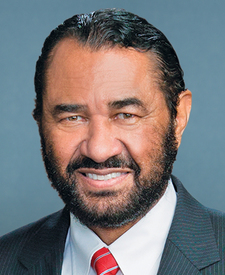
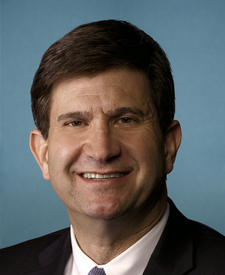

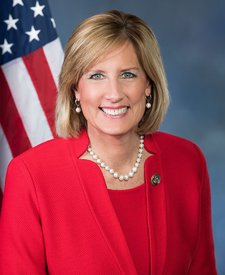
Legislative Progress
In CommitteeMs. Malliotakis (for herself and Mr. Schneider) introduced the following …
Referred to the Committee on Ways and Means, and in …
Introduced in House
Stakeholder Effects
cui bono?How this legislation distributes effects. Mention counts reflect frequency, not effect magnitude.
Congressional trade committees, Nontrusted supplier countries, President of the United States
Bill Structure & Actor Mappings
Who is "The Secretary" in each section?
We use a combination of our own taxonomy and classification in addition to large language models to assess meaning and potential beneficiaries. High confidence means strong textual evidence. Always verify with the original bill text.
Learn more about our methodology