National STEM Week Act
Summary
What This Bill Does
The National STEM Week Act creates a recurring federal STEM engagement framework. Through National STEM Week programs and activities, CoSTEM must highlight STEM education in schools and colleges, showcase diverse STEM career pathways in classrooms and informal learning environments, encourage family STEM activities at home, facilitate partnerships between educational institutions and industry leaders for real-world applications and mentorship, and support states and local communities in creating tailored STEM Week activities and resources. CoSTEM must encourage participation by educational institutions, families, states, local communities, industry partners, and informal learning environments. Within one year and annually after that, CoSTEM must report to Congress on nationwide participation and activities, impact on STEM education and educational gaps, and recommendations based on participant and stakeholder feedback. The bill defines covered educational institutions, industry partners and leaders, STEM, and states including territories.
Who Benefits and How
Students benefit from classroom, informal, family, and community STEM activities that highlight career pathways and real-world applications. Educational institutions benefit from a national framework encouraging STEM Week participation and partnerships. Industry partners benefit from mentoring and outreach opportunities tied to STEM workforce development. States and territories benefit from support for locally tailored STEM Week activities and resources.
Who Bears the Burden and How
CoSTEM must organize encouragement activities and prepare annual participation, impact, gap-closing, and recommendation reports. Schools and colleges that participate must coordinate activities with families, communities, and industry partners. Industry leaders must allocate time and resources if they participate in mentorship or real-world application activities. Congressional education staff must review annual reports and recommendations for future STEM Weeks.
Key Provisions
- Establishes purposes for National STEM Week around education, careers, family engagement, partnerships, and local activities.
- Directs CoSTEM to encourage participation by schools, families, states, local communities, industry partners, and informal learning environments.
- Requires annual reports to Congress beginning within one year.
- Requires reports on nationwide participation, educational impact, gap-closing, and recommendations.
- Defines educational institutions, industry partners, STEM, states, and territories.
Evidence Chain:
This summary is generated from the full bill text using AI analysis. Expand "Detailed Analysis" below for identified beneficiaries/burden bearers with clause-level evidence links.
At a Glance
What This Bill Does
Establishes National STEM Week activities through CoSTEM to highlight STEM education, career pathways, family engagement, school-industry partnerships, and state and local STEM activities, with annual congressional reports evaluating participation, impact, educational gaps, and improvements.
Key Policy Areas
Education, STEM, Workforce Development
Primary Purpose
Establishes National STEM Week activities through CoSTEM to highlight STEM education, career pathways, family engagement, school-industry partnerships, and state and local STEM activities, with annual congressional reports evaluating participation, impact, educational gaps, and improvements.
Policy Domains
Resolution provisions
Identified Gains
- Students
- Educational institutions
- Industry partners
- States and territories
Identified Costs
- CoSTEM
- Participating schools
- Industry leaders
- Congressional education staff
Sponsors
Legislative Progress
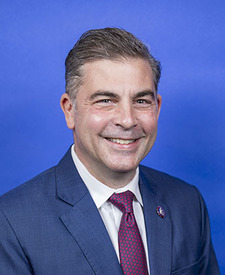
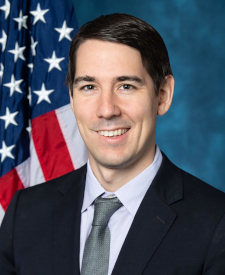
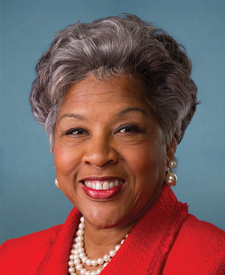
In CommitteeMr. Carey (for himself and Mrs. Beatty) introduced the following …
Referred to the House Committee on Education and Workforce.
Introduced in House
Stakeholder Effects
cui bono?How this legislation distributes effects. Mention counts reflect frequency, not effect magnitude.
Educational institutions, Participating schools, Students
Bill Structure & Actor Mappings
Who is "The Secretary" in each section?
We use a combination of our own taxonomy and classification in addition to large language models to assess meaning and potential beneficiaries. High confidence means strong textual evidence. Always verify with the original bill text.
Learn more about our methodology