To amend the Workforce Innovation and Opportunity Act to authorize a study to review specific outcomes of entrepreneurial skills development programs, and for other purposes.
Summary
What This Bill Does
This bill amends the Workforce Innovation and Opportunity Act to make entrepreneurship part of local workforce services and federal evaluation. Local employment and training activities may provide information on entrepreneurship, referrals to microenterprise services, resources to support entrepreneurship in labor-market information, and references to entrepreneurial opportunities alongside workplace and demand-occupation information. It also directs the Secretary of Labor, through a grant or contract, to conduct a three-year multistate study of entrepreneurial skills development programs. The study must review successful practices, mentoring best practices, provider qualifications, strategies for employer and private-sector engagement, outcomes correlated with entrepreneurial success, participant progress measurement, industry-recognized credentials, impacts on business development and job creation, and economic impacts on states and local communities.
Who Benefits and How
Job seekers interested in entrepreneurship benefit because WIOA one-stop services can point them to entrepreneurship information and microenterprise services. Potential entrepreneurs benefit from a federal study identifying mentoring, provider qualifications, credentials, and outcome measures. Microenterprise service providers benefit from referral language in local workforce activities. State and local workforce boards benefit from evidence on which entrepreneurial skills programs improve business development and job creation.
Who Bears the Burden and How
Local workforce development boards must integrate entrepreneurship information and referrals when appropriate. American Job Center staff must identify microenterprise services and entrepreneurial opportunities for participants. The Department of Labor must fund and oversee a three-year multistate study. Entrepreneurial skills program providers may face additional data and evaluation demands.
Key Provisions
- Adds entrepreneurship information to WIOA required local employment and training activities.
- Adds referrals to microenterprise services where appropriate.
- Expands labor-market information to include entrepreneurship resources and opportunities.
- Requires a three-year multistate study of entrepreneurial skills development programs.
- Directs review of mentoring, provider qualifications, credentials, participant progress, job creation, and economic impact.
Evidence Chain:
This summary is generated from the full bill text using AI analysis. Expand "Detailed Analysis" below for identified beneficiaries/burden bearers with clause-level evidence links.
At a Glance
What This Bill Does
Adds entrepreneurship information, microenterprise referrals, entrepreneurship resources, and entrepreneurial opportunities to WIOA local employment services, and requires a three-year multistate Labor Department study of entrepreneurial skills development programs and their outcomes.
Key Policy Areas
Workforce Development, Entrepreneurship, Small Business
Primary Purpose
Adds entrepreneurship information, microenterprise referrals, entrepreneurship resources, and entrepreneurial opportunities to WIOA local employment services, and requires a three-year multistate Labor Department study of entrepreneurial skills development programs and their outcomes.
Policy Domains
Resolution provisions
Identified Gains
- Job seekers interested in entrepreneurship
- Potential entrepreneurs
- Microenterprise service providers
- State workforce boards
Identified Costs
- Local workforce development boards
- American Job Center staff
- Department of Labor
- Entrepreneurial skills program providers
Sponsors
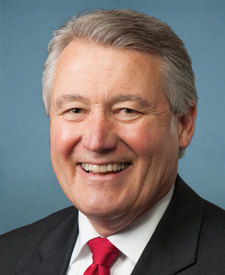

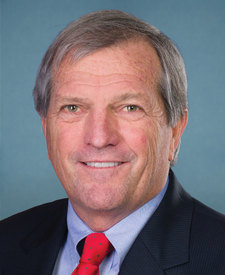
Legislative Progress
In CommitteeMr. Allen introduced the following bill; which was referred to …
Referred to the House Committee on Education and Workforce.
Introduced in House
Stakeholder Effects
cui bono?How this legislation distributes effects. Mention counts reflect frequency, not effect magnitude.
Local workforce development boards, State workforce boards
Bill Structure & Actor Mappings
Who is "The Secretary" in each section?
We use a combination of our own taxonomy and classification in addition to large language models to assess meaning and potential beneficiaries. High confidence means strong textual evidence. Always verify with the original bill text.
Learn more about our methodology