SHARKED Act of 2025
Summary
What This Bill Does
The SHARKED Act directs the Commerce Secretary to establish a task force to identify and address critical needs related to shark depredation, meaning shark interference with fishing and caught fish. The Secretary must appoint representatives from each Regional Fishery Management Council, each Marine Fisheries Commission, coastal state fish and wildlife agencies from each council region, and the National Marine Fisheries Service, plus an expert in highly migratory species management, a researcher in shark management and behavior, and a researcher in shark ecology. The task force must improve coordination between fishery managers and shark researchers, identify research priorities and funding opportunities, and consider shark species involved in interactions, stock assessments, how sharks become habituated to humans, angler behavior, fishery regulatory frameworks, non-lethal deterrents, healthy shark populations in the ocean food web, and climate-change effects on shark populations, prey, and behavior. It must recommend management strategies, distribute educational materials to help the fishing community reduce shark interactions through behavior and expectation changes, report to Congress within two years and every two years after that, and terminate within seven years. The bill also amends Magnuson-Stevens Act section 318(c) to add projects that better understand shark depredation, including causes of increases and how to address it, while preserving Commerce authority under the Endangered Species Act and Magnuson-Stevens Act.
Who Benefits and How
Commercial fishermen, recreational anglers, charter fishing operators, seafood businesses, Regional Fishery Management Councils, Marine Fisheries Commissions, coastal state fish and wildlife agencies, National Marine Fisheries Service scientists, shark behavior researchers, shark ecology researchers, highly migratory species managers, non-lethal deterrent developers, and coastal fishing communities benefit from coordinated research, funding priorities, management recommendations, and educational material aimed at reducing catch loss and harmful shark-human interactions.
Who Bears the Burden and How
The Department of Commerce, National Marine Fisheries Service, Regional Fishery Management Council representatives, Marine Fisheries Commission representatives, coastal state fish and wildlife agencies, shark researchers, highly migratory species experts, task force administrators, congressional report writers, and education-material developers must staff the task force, identify research priorities, coordinate across fisheries regions, develop management recommendations, distribute educational material, and submit biennial reports until the task force sunsets.
Key Provisions
- Requires Commerce to establish a shark depredation task force.
- Requires representatives from regional fishery councils, marine fisheries commissions, coastal state fish and wildlife agencies, NMFS, and shark experts.
- Requires research priorities on shark species, stock assessments, habituation, angler behavior, regulatory frameworks, non-lethal deterrents, food-web roles, and climate effects.
- Requires recommended management strategies and educational materials for fishing communities.
- Requires biennial congressional reports and terminates the task force within seven years.
- Adds shark-depredation research projects to Magnuson-Stevens Act project authority.
Evidence Chain:
This summary is generated from the full bill text using AI analysis. Expand "Detailed Analysis" below for identified beneficiaries/burden bearers with clause-level evidence links.
At a Glance
What This Bill Does
Requires the Commerce Secretary to establish a shark depredation task force with regional fishery council, marine commission, coastal state, NMFS, highly migratory species, shark behavior, and shark ecology expertise; directs it to coordinate research, funding priorities, management strategies, educational materials, biennial reports, and a seven-year sunset; and adds shark-depredation research projects to Magnuson-Stevens Act authority.
Key Policy Areas
Fisheries, Marine Science, Natural Resources
Primary Purpose
Requires the Commerce Secretary to establish a shark depredation task force with regional fishery council, marine commission, coastal state, NMFS, highly migratory species, shark behavior, and shark ecology expertise; directs it to coordinate research, funding priorities, management strategies, educational materials, biennial reports, and a seven-year sunset; and adds shark-depredation research projects to Magnuson-Stevens Act authority.
Policy Domains
Substantive provisions
Identified Gains
- Commercial fishermen
- Recreational anglers
- Charter fishing operators
- Seafood businesses
- Regional Fishery Management Councils
- Marine Fisheries Commissions
- Coastal state fish and wildlife agencies
- National Marine Fisheries Service scientists
- Shark behavior researchers
- Non-lethal deterrent developers
Identified Costs
- Department of Commerce
- National Marine Fisheries Service
- Regional Fishery Management Council representatives
- Marine Fisheries Commission representatives
- Coastal state fish and wildlife agencies
- Shark researchers
- Highly migratory species experts
- Task force administrators
- Congressional report writers
Sponsors
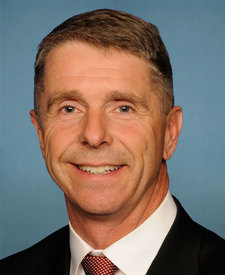

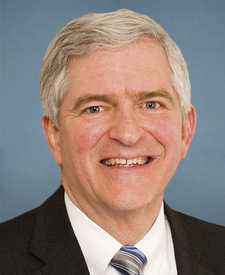

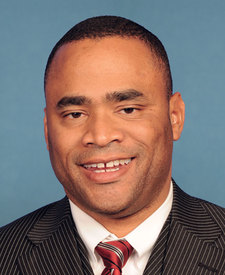
Legislative Progress
Passed HouseReceived; read twice and referred to the Committee on Commerce, …
Passed House (inferred from eh version)
Received in the Senate and Read twice and referred to …
Motion to reconsider laid on the table Agreed to without …
On motion to suspend the rules and pass the bill …
Passed/agreed to in House: On motion to suspend the rules …
DEBATE - The House proceeded with forty minutes of debate …
Considered under suspension of the rules. (consideration: CR H240-242)
Mr. Westerman moved to suspend the rules and pass the …
Mr. Wittman (for himself, Mr. Webster of Florida, Mr. Soto, …
Stakeholder Effects
cui bono?How this legislation distributes effects. Mention counts reflect frequency, not effect magnitude.
Marine Fisheries Commissions, National Marine Fisheries Service, Regional Fishery Management Councils
Charter fishing operators, Recreational anglers
Coastal state fish and wildlife agencies
Bill Structure & Actor Mappings
Who is "The Secretary" in each section?
- "nmfs"
- → National Marine Fisheries Service
- "secretary"
- → Secretary of Commerce
We use a combination of our own taxonomy and classification in addition to large language models to assess meaning and potential beneficiaries. High confidence means strong textual evidence. Always verify with the original bill text.
Learn more about our methodology