Medicare Home Health Accessibility Act
Summary
What This Bill Does
The Medicare Home Health Accessibility Act fixes a narrow Medicare eligibility rule. Current certification language ties home health eligibility to needs such as intermittent skilled nursing, physical therapy, or speech therapy before occupational therapy can continue. This bill amends Social Security Act sections 1814 and 1835 so a need for occupational therapy can itself support eligibility for Medicare home health services. The change applies to home health services provided on or after January 1, 2026. The practical effect is that beneficiaries who primarily need occupational therapy for activities of daily living, functional recovery, home safety, or adaptive strategies would not have to qualify through another therapy or nursing need first.
Who Benefits and How
Medicare beneficiaries needing occupational therapy benefit because OT can independently support home health eligibility. Older adults recovering at home benefit when functional and daily-living therapy needs are enough to open home health coverage. Occupational therapists benefit because Medicare eligibility no longer treats OT as secondary to nursing, physical therapy, or speech therapy. Home health agencies benefit from clearer authority to serve patients whose primary skilled need is occupational therapy.
Who Bears the Burden and How
CMS must update Medicare certification rules, claims guidance, and home health instructions before January 1, 2026. Home health agencies must adjust intake, documentation, and compliance workflows for OT-based eligibility. Medicare program spending may increase if more beneficiaries qualify for covered home health services. Medicare administrative contractors must review claims under the expanded eligibility standard.
Key Provisions
- Amends Medicare part A home health certification language to include occupational therapy.
- Amends Medicare part B home health certification language in parallel.
- Expands eligibility when occupational therapy is the beneficiary's skilled need.
- Applies the change to home health services furnished on or after January 1, 2026.
Evidence Chain:
This summary is generated from the full bill text using AI analysis. Expand "Detailed Analysis" below for identified beneficiaries/burden bearers.
At a Glance
What This Bill Does
Allows Medicare home health eligibility to be based on a need for occupational therapy, alongside nursing, physical therapy, or speech therapy, for services furnished on or after January 1, 2026.
Key Policy Areas
Medicare, Home Health, Occupational Therapy
Primary Purpose
Allows Medicare home health eligibility to be based on a need for occupational therapy, alongside nursing, physical therapy, or speech therapy, for services furnished on or after January 1, 2026.
Policy Domains
Resolution provisions
Identified Gains
Contextual inference, no direct clause citation- Medicare beneficiaries needing occupational therapy
- Older adults recovering at home
- Occupational therapists
- Home health agencies
Contextual inference, no direct clause citation
Identified Costs
Contextual inference, no direct clause citation- Centers for Medicare and Medicaid Services
- Home health agencies
- Medicare program
- Medicare administrative contractors
Contextual inference, no direct clause citation
Sponsors



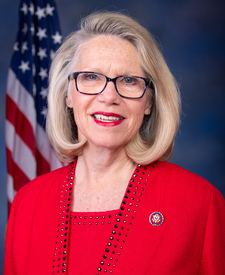

Legislative Progress
In CommitteeMr. Smucker (for himself, Mr. Joyce of Pennsylvania, Mr. Doggett, …
Referred to the Committee on Ways and Means, and in …
Introduced in House
Bill Structure & Actor Mappings
Who is "The Secretary" in each section?
We use a combination of our own taxonomy and classification in addition to large language models to assess meaning and potential beneficiaries. High confidence means strong textual evidence. Always verify with the original bill text.
Learn more about our methodology